

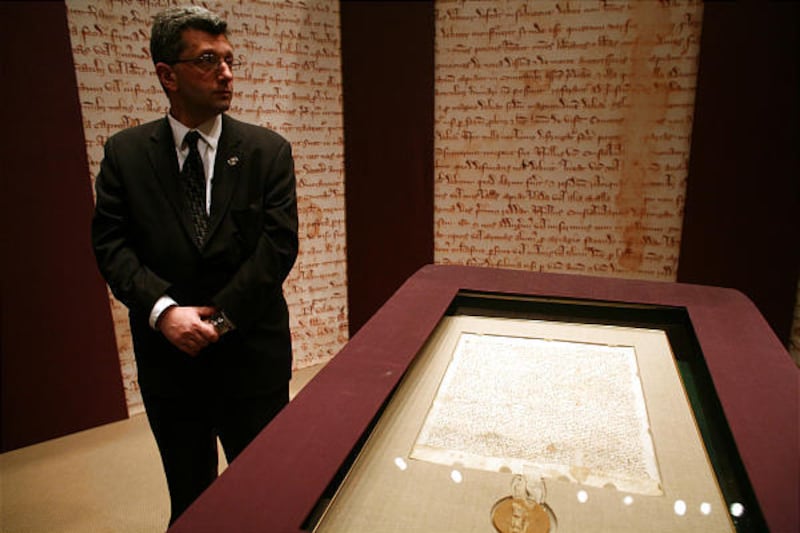

Some 800 years after it helped lay down the foundations for the principle of equality before the law, Magna Carta is being celebrated as the world's attention turns back to that pivotal document and the ideals of freedom and democracy contained therein.
Despite its historical significance, Magna Carta, which came about as an agreement between England's King John and his barons in 1215 and stated that nobody — not even a king — was above the law, was quickly annulled by then-Pope Innocent III.
However, the ideas in the document lived on, and in time, provided not only the basis for English common law, but also for the spread of democratic ideals to the English colonies, including the colonies that would eventually become the United States of America.
Here are some facts and trivia regarding this important, history-changing document:
The sealing of the document
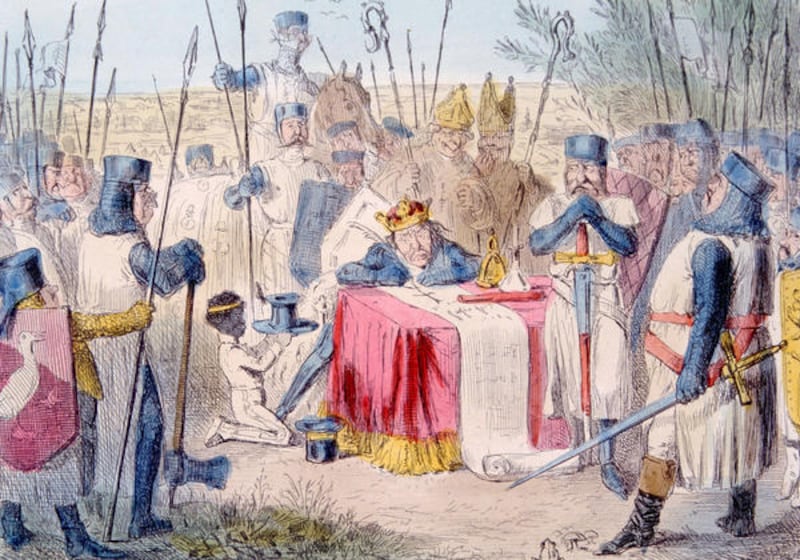
King John affixed Magna Carta with his seal on June 15, 1215. For you Robin Hood fans, that is indeed King John, the brother of King Richard the Lionheart, who took the throne after his brother's death in 1199.
Longer than the Declaration; shorter than the Constitution
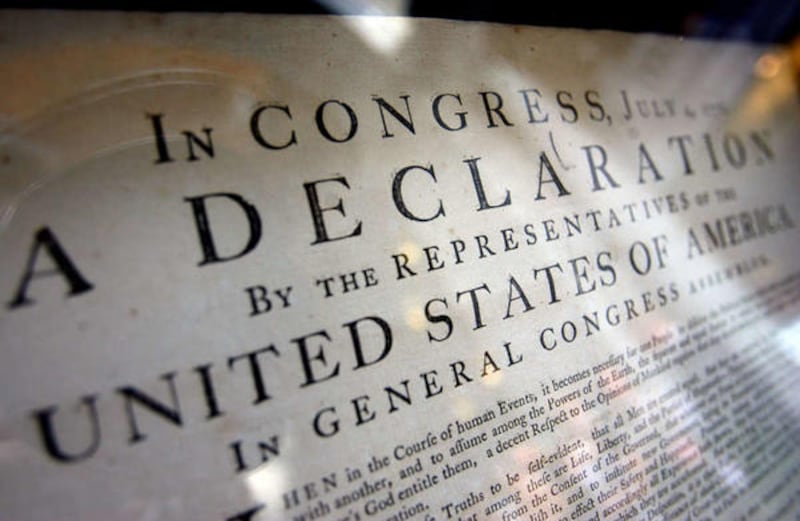
Magna Carta contains approximately 3,600 words. For a comparison, the Declaration of Independence contains roughly 1,337 words, the U.S. Articles of Confederation around 3,425 and the U.S. Constitution around 4,500.
The 1297 reissuing

Magna Carta was reissued in 1297 by King Edward I. Only four copies of that 1297 document remain. Four copies of the 1215 document also remain, according to the British Library. These are housed at Lincoln Cathedral and Salisbury Cathedral, which both have one copy, and the British Library, which has two.
Magna Carta in the U.S.
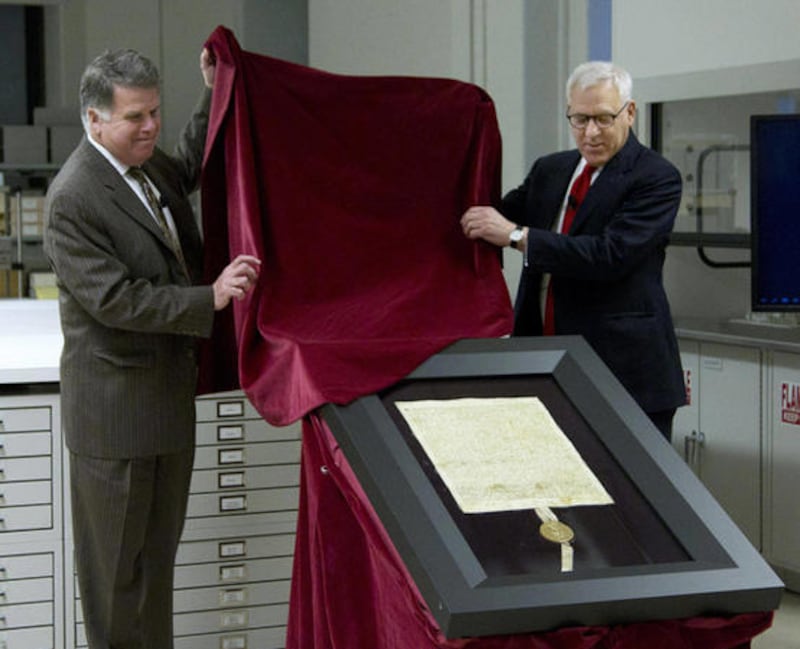
One of the four 1297 originals is housed at the National Archives in Washington, D.C. The copy is on loan from philanthropist David M. Rubenstein, according to archivesfoundation.org, and is the only copy on permanent display in the U.S.
Inspired by Magna Carta
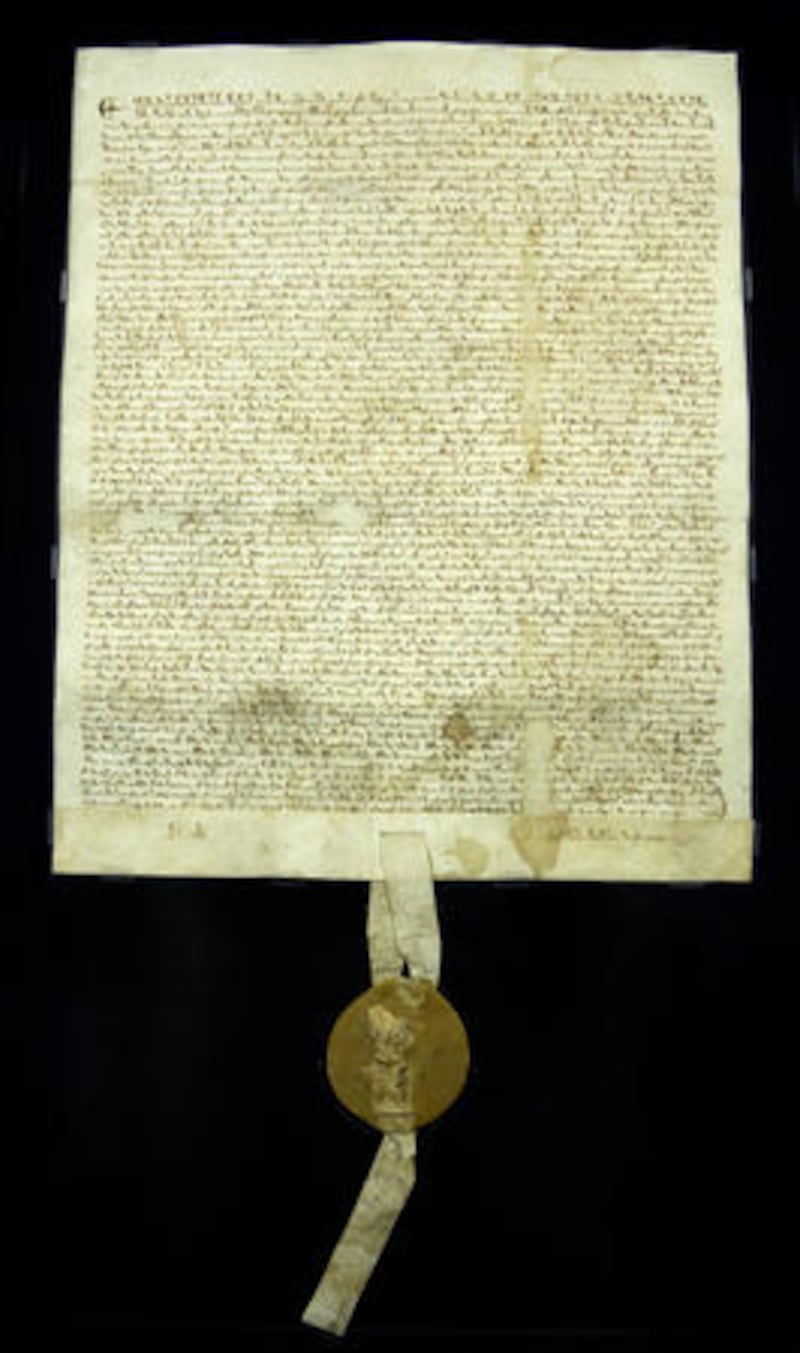
According to magnacarta800th.com, Amendments 5 and 14 to the U.S. Constitution, which deal with due process of law and equality before the law, respectively, can trace their roots back to Magna Carta. To compare and contrast, read the Amendment 5 here, the Amendment 14 here, and Magna Carta here.
Magna Carta lives on
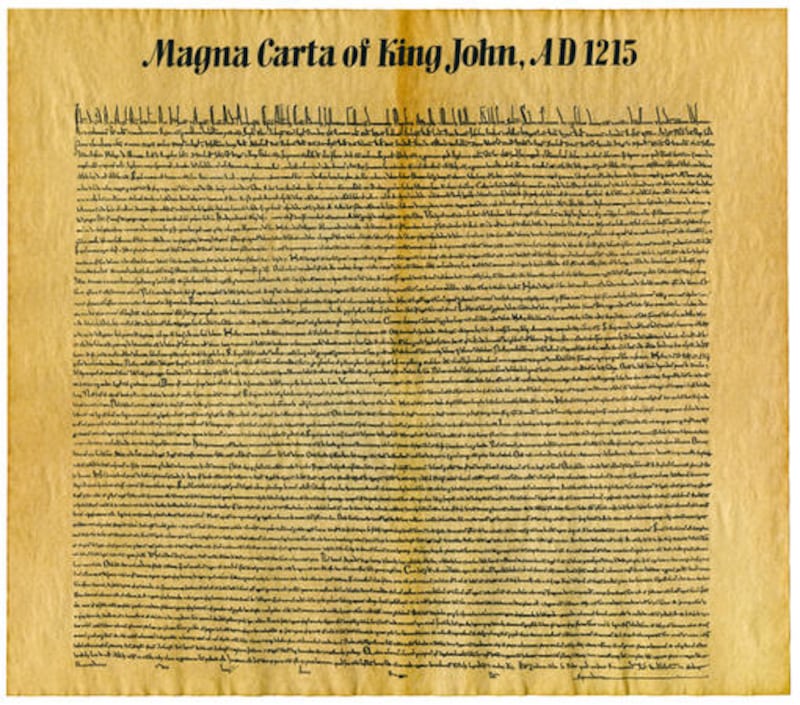
According to the British Library, the original Magna Carta contained 63 clauses, three of which are still part of English law today.
John Philip Sousa's tribute
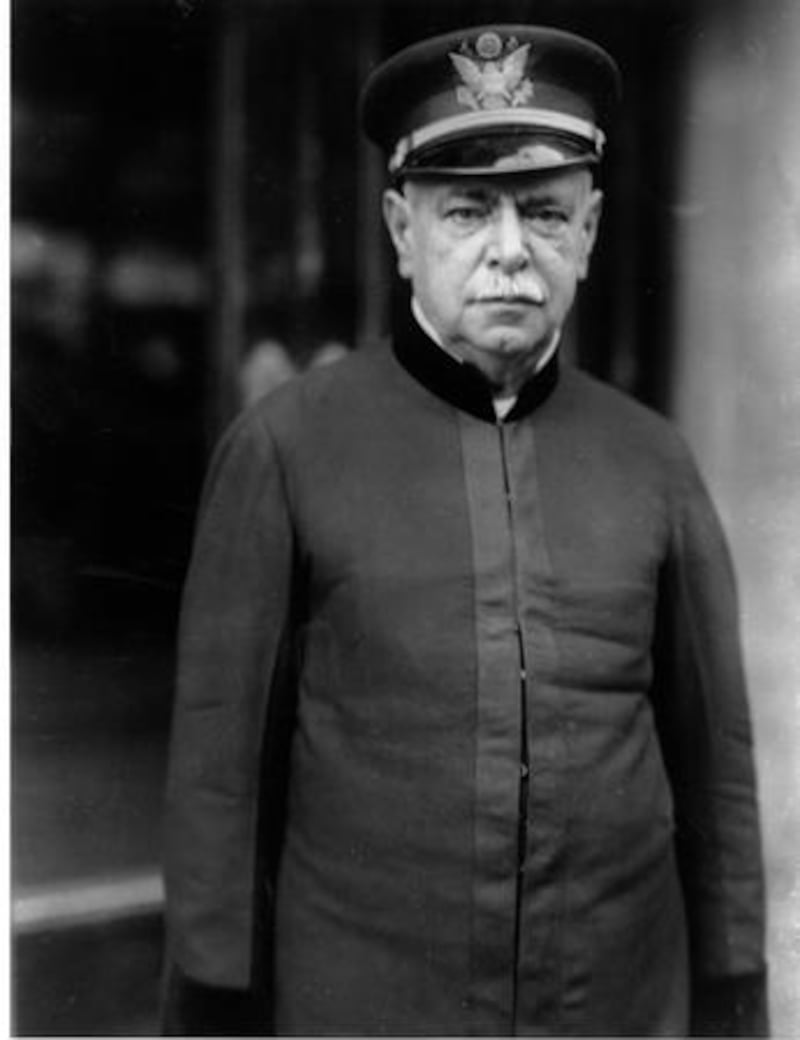
America's "March King," John Philip Sousa, wrote a march titled, "Magna Charta March" in 1927 at the request of the International Magna Charta Day Association. Listen to the march here.
Mailing the Magna Carta
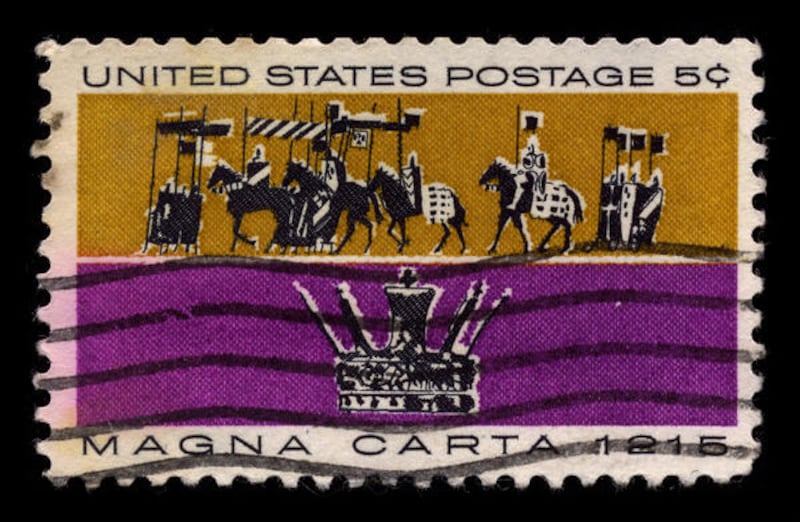
Fifty years ago, the United States Postal Service issued a commemorative postage stamp to celebrate Magna Carta's 750th birthday. The 5-cent stamps became available on June 16, 1965.