





SYRACUSE — Jaron Packer was busy writing musicals, directing school bands and coaching the cross-country team in his small southern Idaho town. He was quickly becoming addicted to his work, almost voluntarily putting in 60 to 70 hours each week.
His family needed him, but it took a major diagnosis for him to realize it.
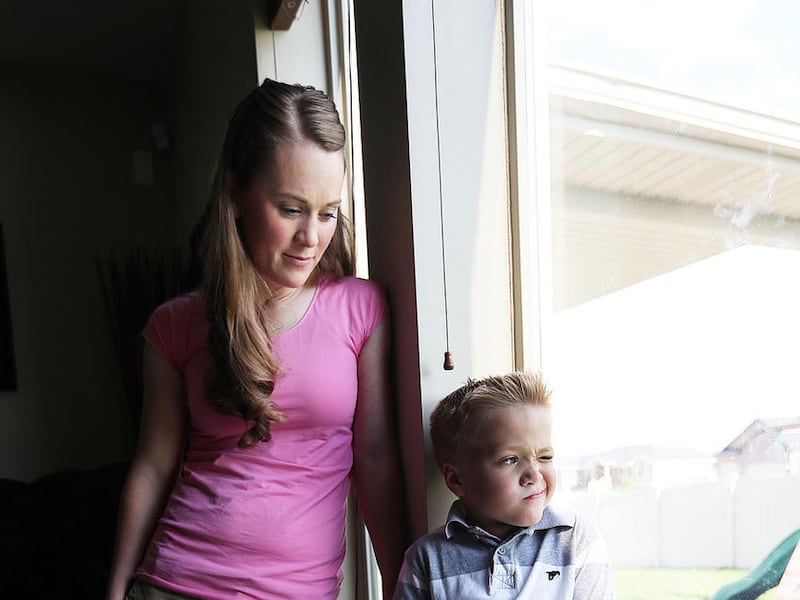
Turns out, the oldest of his four sons was battling a not yet diagnosed genetic disorder that was slowly rendering him disabled. Jacob Packer, now 7, has mucopolysaccharidosis type 6, a rare but progressive condition that means he lacks the ability to break down waste products in his cells. That waste then builds up, deforming cells throughout his body, eventually leading to skeletal abnormalities and other problems involving organs, tissues, bodily functions and more.
"From the day he was born, his body started going downhill," said Jacob's mother, Vanessa Packer, 29. She questioned every missed milestone and couldn't get doctors to help her understand why her son seemed so different from what other moms had.
After multiple doctor visits and a variety of tests, the Packers were told they had a perfectly healthy boy. But, when the toddler started complaining of "tickle stuff" in his foot and then his face — a sign of numbing throughout his body — a referral to a geneticist at Primary Children's Hospital was recommended.
"I didn't think it would be as serious as it was," Vanessa Packer said. Her son was taken into surgery to remove the top vertebrae of his spine, which had stopped growing and was depressing his spinal cord, slowly paralyzing his small body.
The advice and care given at the hospital proved to be invaluable to the family, as they still look to Primary Children's and its many experts and specialists to help guide them on Jacob's super rare disorder.
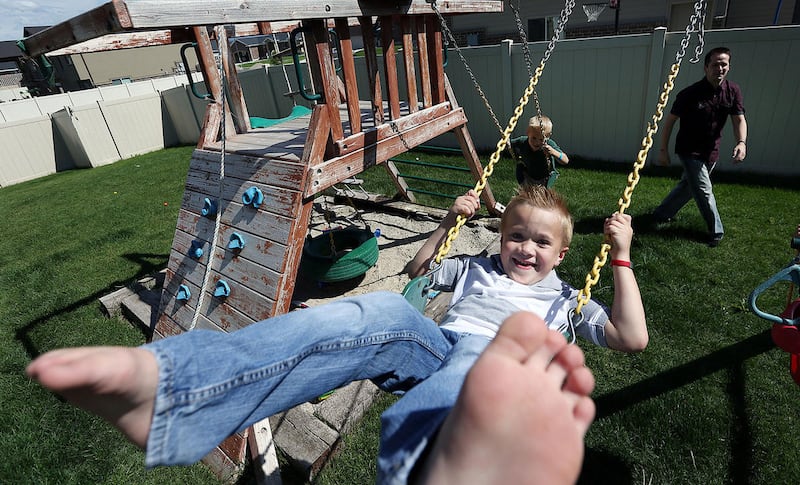
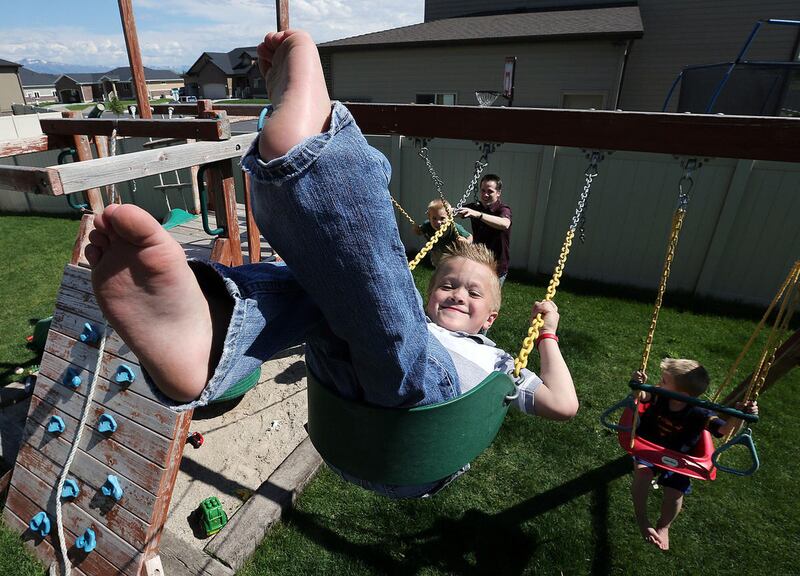
"He looks normal. You wouldn't peg him as a kid with genetic issues," said the boy's mother, adding that even specialists have been stymied by his typical appearance throughout his care. Upon his 2012 diagnosis, a specialist told the Packers that Jacob's "outsides look much better than his insides," which obviously worried them.
And while Jacob's condition is thankfully turning out to be milder than his parents and doctors once feared, he still has to visit the hospital every week — likely for the rest of his life — to receive an intravenous transfusion of the enzyme his body is lacking because of the genetic mutation in his DNA.
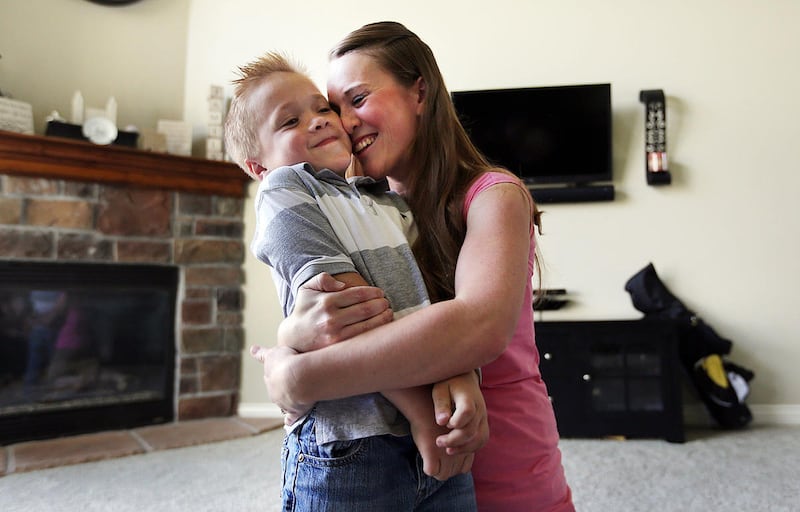
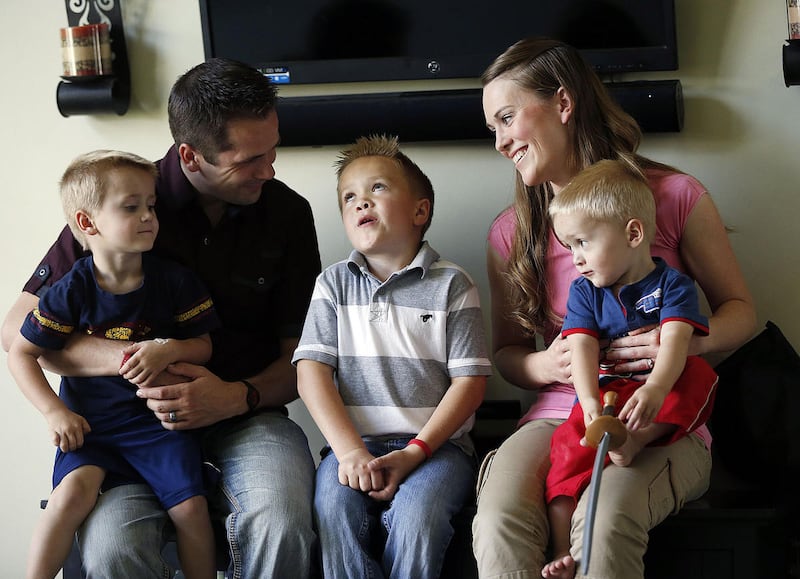
A one-in-a-million chance, his parents each carry a recessive gene that was passed on to him. Two brothers born prior to Jacob's diagnosis, as well as one who has joined the family since, are fine. But the incident has given the entire family a new lease on life, a better appreciation of the time they have together.
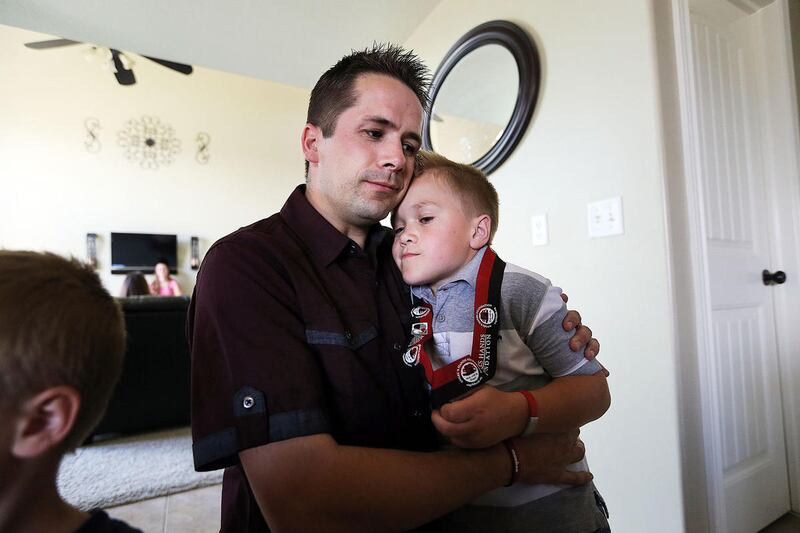
"My music career was becoming my life," Jaron Packer, 33, said. "I didn't even realize it was coming between me and my family. So this happening to us helped me to stand back and re-evaluate which dreams were more important to me."
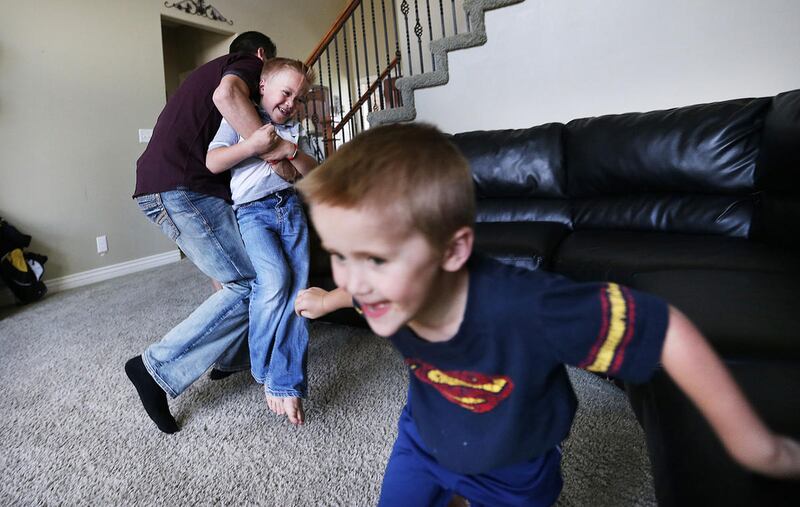
The head of the household decided to quit his job in Idaho to move closer to the life-giving hospital, not knowing the next steps, but taking it on faith what he'd do and where his family would land. He got a job teaching seminary and now has ample quality time to spend with Vanessa and the boys, something that was previously dwindling to mere sightings at random musical productions or high school sporting events he was working.
"It has changed my life for the better," he said. "We're better together because of what we've been given." Despite the ups and downs, Jaron Packer said, "it is really a beautiful life."
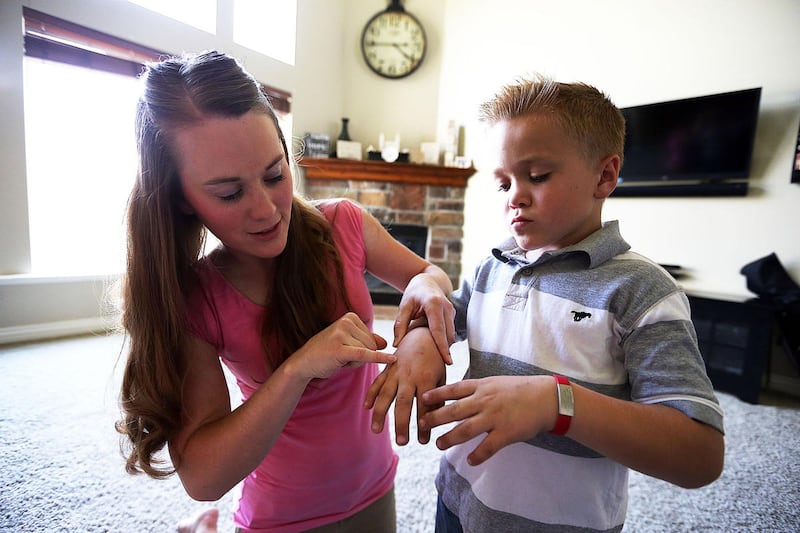
The 7-year-old has many scars from being poked with needles — more than about 400 times, his mother estimates — because his disorder makes it difficult to place an IV line. And since his spine is weakened by the condition, he experiences excruciating back pain akin to that of a very old man who spends days bent over a cane.
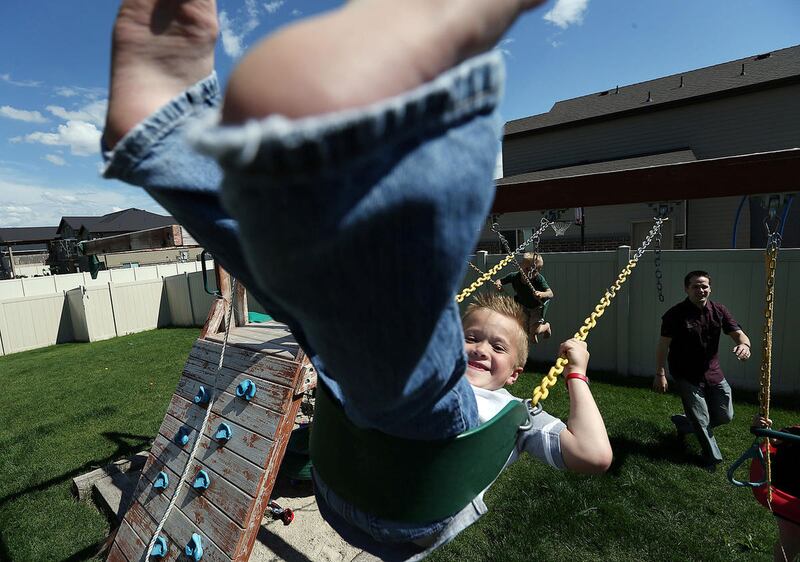
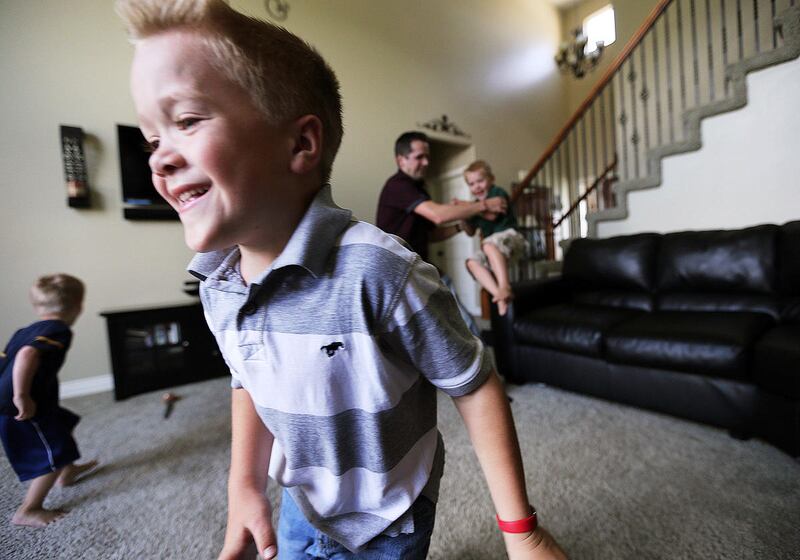
His teeth took a long time to come in and his fingernails grow very slowly, and his ear will always require tubes to hear properly. But as an active, happy kid, what Jacob really thinks about is sports. He'd love to play any sport, and he's good at them, too. But his disorder really prohibits him from playing contact sports, as well as anything that tires him out too quickly — ruling out quite a few.
He's recently taken up golfing, with local high schoolers helping to teach him. His mother sees it as something he can really get into, providing "lifelong enjoyment" because other things will "get harder as he ages."
Since the pharmaceutical intervention Jacob receives is fairly new, long-term effects are unknown. A majority of patients with mucopolysaccharidosis only live into their teens, maybe 20s, but the weekly infusions seem to be adding hope of years onto the young boy's life.
"He's amazing," Vanessa Packer said. "He's able in all aspects. He's blessed with abilities that makes me think if he was given a healthy body, he'd be phenomenal."
But the kid has been hardened in ways most don't experience until adulthood. His parents say he comprehends things and shows empathy beyond his years, but dealing with his condition has also made him stronger and more compassionate toward others.
And the staff at Primary Children's Hospital have become some of the boy's greatest friends, helping him realize his life has purpose.
"He hates that he doesn't grow, but he also knows he's special and can do things because he has MPS," his mother said. "He is seeing that he can change the world because of who he is."
Email: wleonard@deseretnews.com
Twitter: wendyleonards