


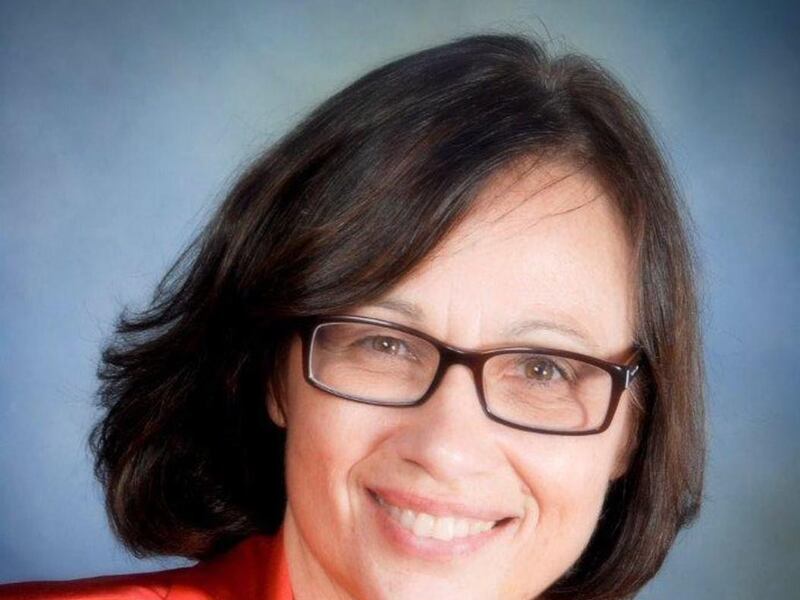
Since the women of the Bible lived in a time when motherhood was their main purpose for living, they can offer insight into an annual celebration of womanhood, Mother's Day, according to author Jo Ann Skousen.
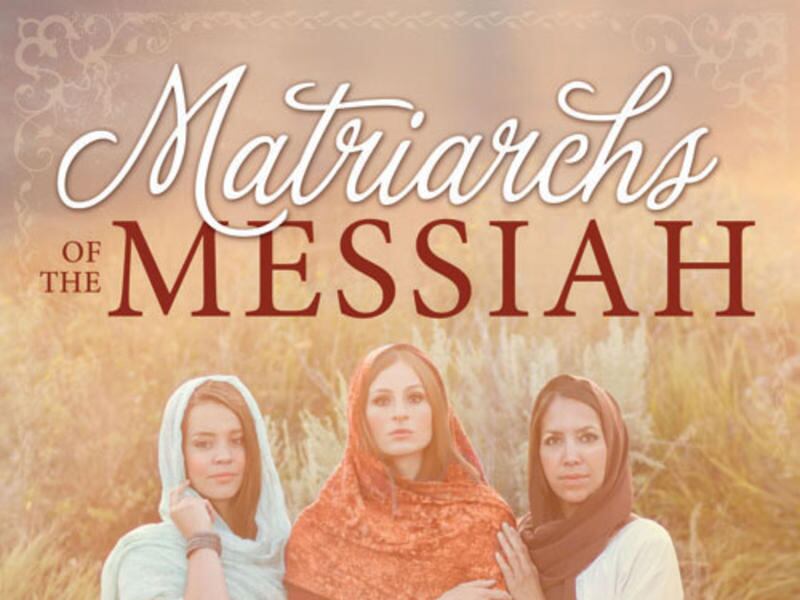
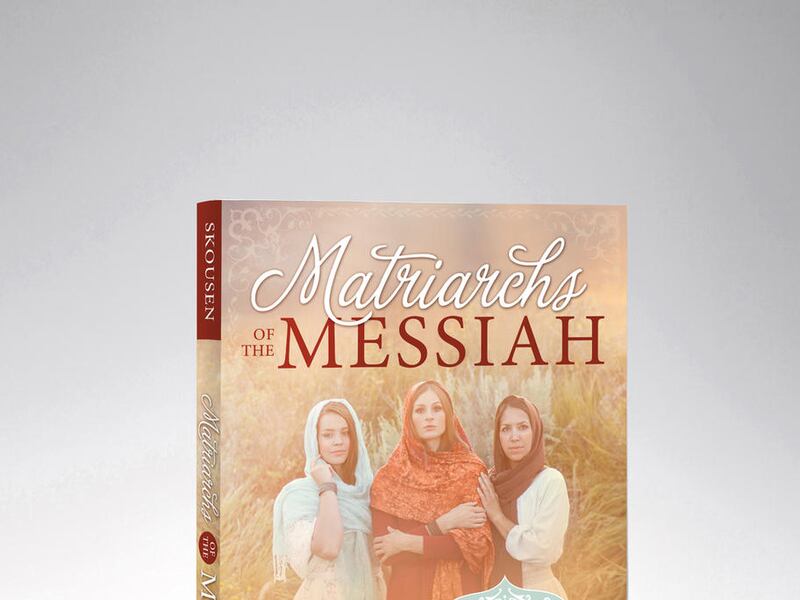
Skousen’s “Matriarchs of the Messiah: Valiant Women in the Lineage of Jesus Christ” (Cedar Fort, $15.99) tells the stories of the women in Jesus Christ’s lineage. Their passages show patterns of barrenness, fertility, disguise, widowhood and sibling rivalry, which, according to Skousen, are applicable and empowering to womanhood today.
“They have very surprising stories — they often use very clever and innovative ways to solve problems. I think they’ve been overlooked for many years in studies of the Bible, so I wanted to bring their stories to light,” said Skousen, a mother of five and Bible literature professor.
Her book elaborates on these women, including Eve, Noah’s wife, Sarah, Rebekah, Leah, Tamar, Rahab, Ruth, Bathsheba and Mary, and provides historical context and personal insight into their stories, connecting them with the lives of women today.
“These are women who lived in a time where motherhood was celebrated — they received status and joy from what they did,” Skousen said.
Lessons for today
Leah’s story offers a prime example for many struggles of today. According to Skousen, Leah dealt with infertility, rivalry with her sister Rachel, wayward children and a husband who didn’t love her.
In the biblical account, Jacob falls in love with Rachel and labors for seven years to marry her. As Rachel’s older and less attractive sister, Leah had no suitors of her own. Conspiring with her father, Leah masqueraded as Rachel and married Jacob in her stead without his knowledge or consent.
“On Mother’s Day, we often feel the burden of trying to be perfect. Leah made a lot of mistakes. Her husband didn’t love her, and that was her own fault; she tricked him,” Skousen said. “I think Leah nurturing her relationship with God in order to heal the relationships within her family is a great example of how we can do it.”
After years of competition, Leah chose to “praise the Lord” despite her trials when her fourth son, Judah, was born (Genesis 29:32-34).
“In the end, she was the one that (Jacob) wanted to be buried beside,” Skousen said.
Ruth’s story offers hope for women looking to change their circumstances. While scripture study classes may focus on Ruth’s “happily ever after” fate when she marries the wealthy Boaz, Skousen focuses on Ruth’s industriousness before him. She lived as a widow and worked hard to support herself and her mother-in-law, Skousen said.
“I think it’s important to realize that this is not just the God of Abraham, Isaac and Jacob. This is the God of all of us, and women are just as important in the Bible as men are. The writers understood that — they put women in the Bible prominently; they admired these women and their pluck, their resourcefulness, their innovation,” she said. “We should admire them too. We can learn ways to solve our problems by following their examples.”
Ruth ultimately did find happiness in her second marriage and motherhood, but it was only through hard work, virtue and loyalty to her mother-in-law, Naomi, Skousen said.
Another story featured in the book and close to Skousen’s heart is that of Tamar, who was called a harlot and would eventually become Judah’s wife. In her book, Skousen adds historical context that asserts that Tamar was not a harlot, but a righteous and courageous woman of God.
In studying the story, Skousen said, she realized that Judah, a son of Leah, had been a wayward son for at least 20 years. Tamar acted in conjunction with the law to trick her father-in-law and ultimately bring him back to the fold, she said.
“His story gives me hope because many of us do have children that have left the gospel. Rethink Tamar — not as a harlot, but as a woman who had been wronged and figured out a way to make it right,” she said. “When you find out what was going on culturally, it’s a wonderful story of a woman who wouldn’t give up. As a result, Judah was able to go back to regain his inheritance, and all of those descendants could stay because he came back.”
Skousen explained that, according to levirate law, Judah’s responsibilities as father-in-law of Tamar, the widow of his sons, included providing Tamar with an heir through one of his other sons. Tamar had a right to bear an heir through Judah’s line, she said, and when Judah shirked his duties, Tamar beguiled him. In doing so, Tamar perpetuated the lineage that would eventually bear Jesus Christ.
Breaking down the Bible
The Bible defines a woman as an “ezer kenegdo,” which is often translated as “help meet.” Skousen said the original meaning also indicates that women are saviors, rescuers and “equal to the task.”
“You are born as women of power and loyalty — saviors in the sense of benevolent helpers, not just assistants,” Skousen said. “Every woman has that in her, whether she’s a mother or not.”
While researching the stories of the women in the Bible, Skousen was intrigued to find that many of them were not born in the Abrahamic covenant.
“Because Mary was so perfect and so virtuous, we have this image that to be an ancestor of Jesus Christ you would have had to be perfect, but that would negate the whole Atonement if only perfect people were qualified,” she said. “So many of them were grafted in. Ruth was a Moabite, and we don’t know the backgrounds of Tamar, Rahab or Bathsheba — they were outsiders. Excitingly, they brought all of their ancestry with them. So Christ’s lineage, it’s a big funnel bringing people together.”
Skousen doesn’t see Mother’s Day as a single day set aside, but as any day spent with family to feel the joy of loving and being loved.
“I think we need to focus on the future as much as we do on the past," she said.
Though these women did not know they were matriarchs of the Messiah, they instinctively lived Christ's teachings, Skousen said.
“They knew what they were doing and they had God’s approval in what they did,” she said. “They were always looking forward to what their children would do, what their grandchildren would do. What we do today will influence what happens generations later.”
Email: scobb@deseretnews.com