



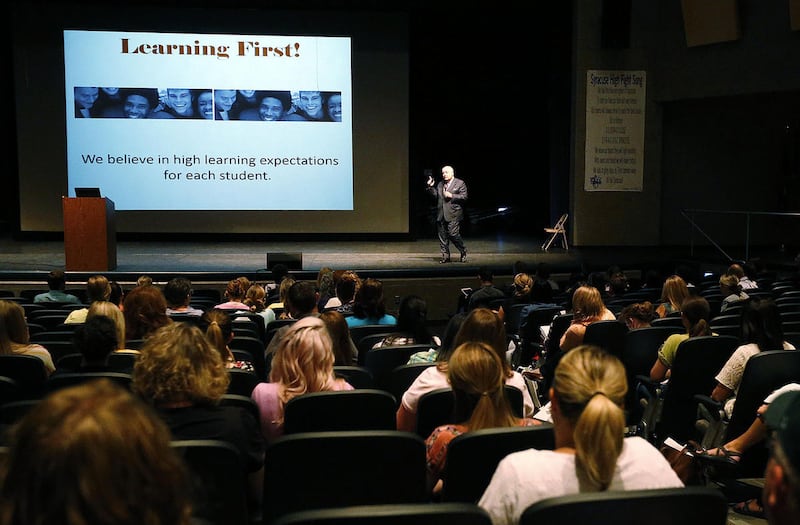
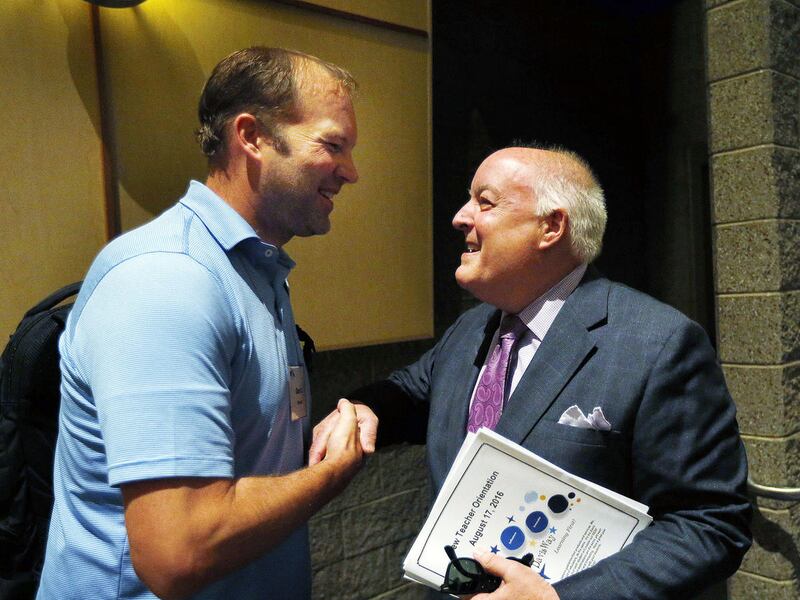
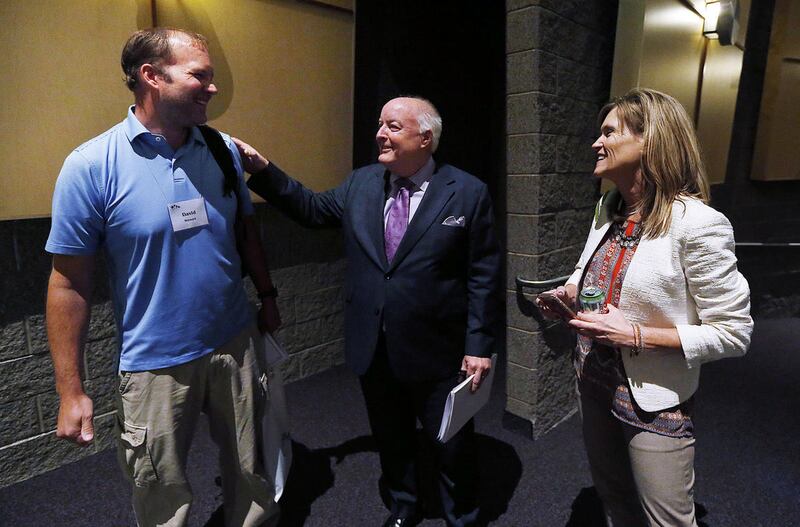
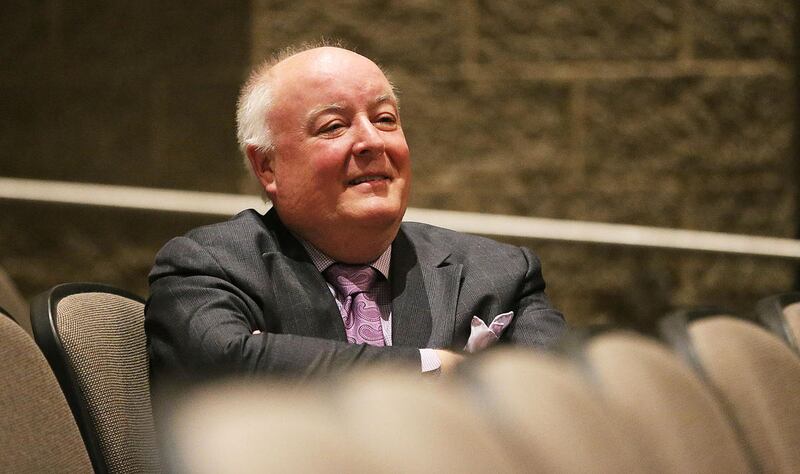

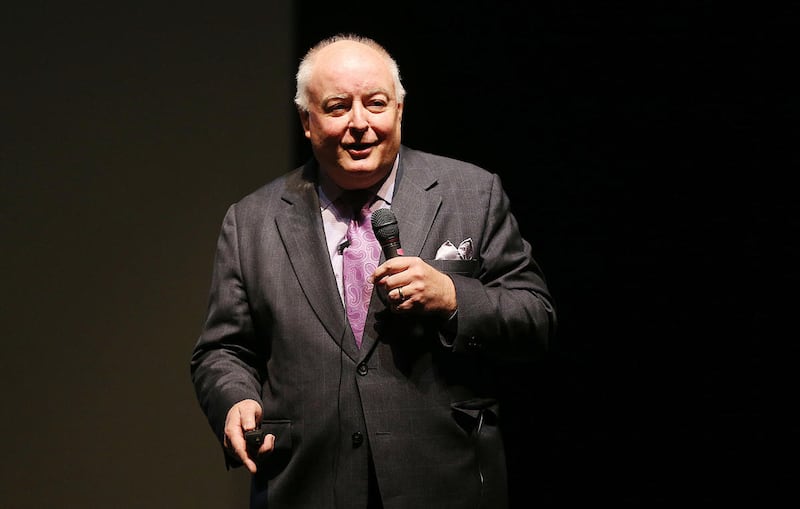
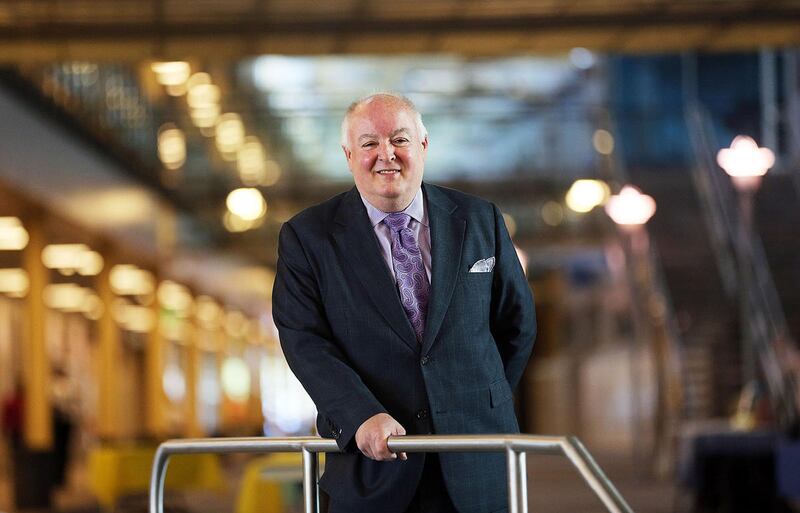

FARMINGTON — After spending most of his career in administration, including the past 13 as superintendent of the Davis School District, Bryan Bowles is going back to the beginning. He is stepping down as superintendent to return to teaching. His new job title is associate professor of educational leadership and foundations at BYU, which is a long way of saying he will teach new principals and administrators to prepare them for their jobs.
“I like teaching,” says the 63-year-old Bowles. “That’s why I got into the profession.”
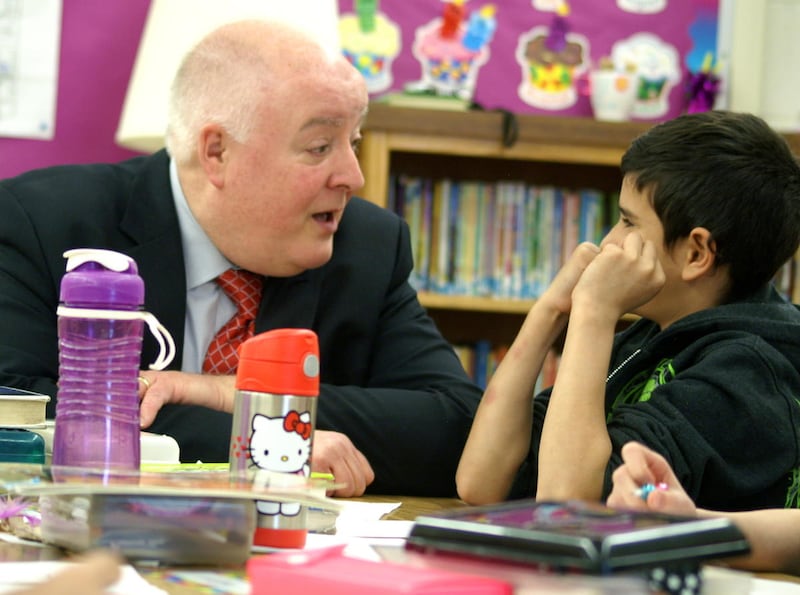
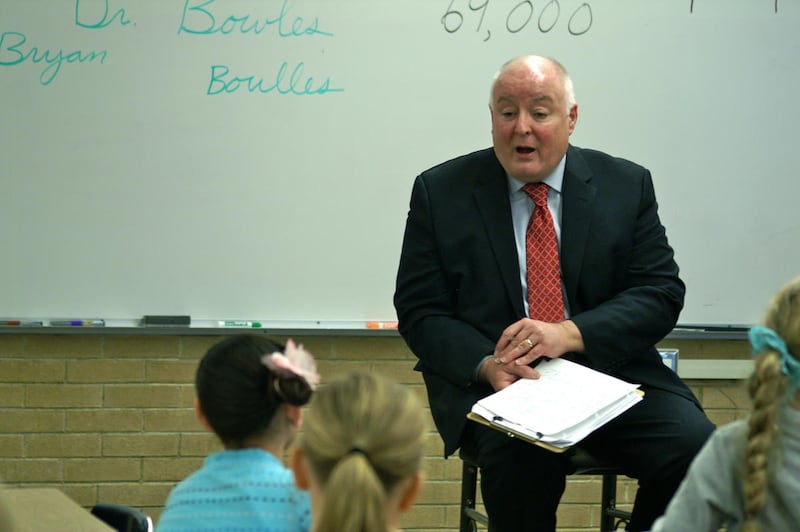
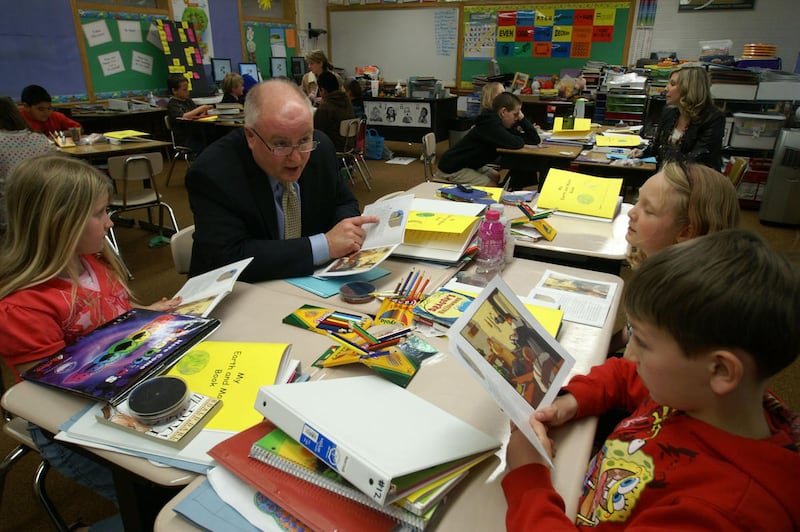
Even while an administrator, he couldn’t resist the classroom. As superintendent, he volunteered as a substitute teacher, teaching everything from kindergarten to high school choir. Five or six times a year the district’s teachers put their names in a hat and he would select one name. The winner got a paid day off and Bowles filled in for the teacher. He told the teacher to not even prepare a curriculum for him because he had that covered. In his office, he kept boxes of lesson plans and materials for each grade, ready to teach at any moment.
Bowles' full-time job has been overseeing Utah’s second biggest school district. That has meant guiding Davis through what he calls “challenging times,” which included the double whammy of rapid growth and recession.
“That was a time when our funding for the next year was just enough to maintain our existing programs, and we were adding new schools and 500 to 1,000 new students annually,” he says.
During the 2008-09 school year, the district was short $80 million just to maintain the same services but for more students. He cut programs, eliminated more than 100 positions in the district office by sending those employees to teaching jobs, increased class size after years of whittling it down to desired levels, suspended pay raises and convinced teachers to take furlough days.
“We had to be creative,” Bowles says. “The good thing is nobody had to lose their jobs.”
Despite the lean times, the district boasts a 93 percent graduation rate, highest among the Wasatch Front districts, up 2 percent from 2015, 5 percent from 2013 and 9 percent from 2012. The district also claims it is one of only five in North America that has been on the national AP honor roll every year since it began six years ago. The honor roll recognizes districts that “simultaneously achieved increases in access to Advanced Placement courses for a broader number of students and also maintained or improved the rate at which their AP students earned scores of 3 (out of 5) or higher on an AP exam.”
In theory, such numbers are like batting averages — the more at-bats, the less likely a lower average, and yet the district has increased scores while adding students.
“We’ve had great academic success,” says Bowles. “It’s been phenomenal.”
This is the kind of stuff that drew Bowles to the profession in the first place. He grew up in Bountiful in an ever-expanding family. His parents divorced and between them had three other marriages. Along the way Bowles collected 15 full siblings, half-siblings and stepsiblings. That gave him a convenient audience.
“When I was in first grade, the teacher taught me to read, to make sounds fit into words,” he recalls. “I’d go home and teach my younger sister and we’d learn to read together. I thought, this is what I want to do. It seemed like magic to me, that whole notion I could learn to read and help someone else to learn to read. I’ve wanted to be a teacher since first grade.”
He used to prepare lessons and give them to his siblings gathered at the kitchen table. Then he began to invite the neighbor kids to a classroom he created in the family garage. He was so certain of what he wanted to do that he blitzed through his undergrad degree — a double major in speech communication and theater — at the University of Utah in three years and began teaching at the age of 21.
He taught for one term in Monticello before moving to his alma mater, Bountiful High, where he taught for the next 10 years. Bowles spent his week-day evenings and weekends working at Promised Valley Playhouse, directing shows, acting, even doing a little singing and dancing. He directed “Annie," “Camelot” and “Pirates of Penzance,” among other productions.
He was finally lured away from teaching, moving to Hawaii to serve as vice president of the Polynesian Cultural Center, where he was responsible for the shows and villages. Seven years later he returned to Utah and taught presentation and writing skills for Shipley Associates and later Franklin Quest/Covey. He wasn’t in public schools anymore, but he was teaching diverse groups of students — coal miners in Alabama, aeronautical engineers at Edwards Air Force Base, the IRS in Washington, and Utah state fiscal analysts.
One year later he decided it wasn’t for him. “I didn’t know if I was making a difference in their lives,” he says. “I was only with them three days. I wanted to make a difference in lives and watch them learn and grow.”
He returned to Bountiful High and taught honors courses for three years before he moved into administration. He wrote curriculum for the district for a time, then became an assistant principal, then principal of Bountiful High and finally superintendent.
“I’ve always wanted to be a teacher and I’m still going to be teaching,” he says, looking ahead. “Public education in the U.S. is one of the greatest treasures we have. There are other countries that have public education but not to the breadth and extent that we do. I’ve been really fortunate to have been a part of it. It’s been a great ride.”
Email: drob@deseretnews.com