



- Fat Bear Week in Alaska kicks off its 12th online competition on Sept. 22.
- The contest turns the chunkiest bears of Katmai National Park and Preserve into internet celebrities.
- Millions of people around the world vote to crown the year's fattest bear.
Fat Bear Week is back for its 12th year, and Alaska’s grandest grizzlies are ready.
The viral competition tracks the rotund residents of Katmai National Park and Preserve after a full summer of gorging and preparing for the long, cold Alaskan winter.
The bears that put on the most pounds — ahem, had the most successful season — are then pitted against one another in head-to-head online polls. Millions of people from more than 100 countries can vote on which is, indeed, the fattest bear in Alaska.
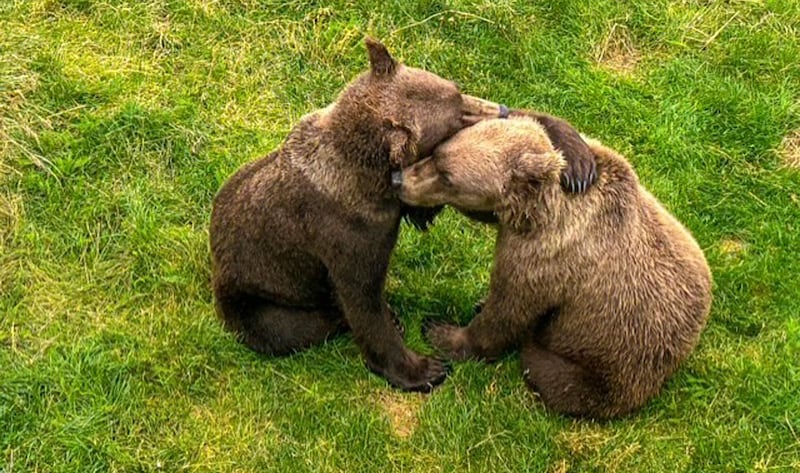
“It’s gotten really huge,” said Sarah Bruce, park ranger at Katmai National Park and Preserve, with no pun necessarily intended, during an earlier interview with Deseret News.
“But it’s great to have eyes up on this part of the world and do some things for conservation and keeping these ecosystems healthy.”
For those that want to sneak a peak at this year’s chubbiest bears — a recommendation worth considering — or who want to participate in crowning a new champion, voting begins on Sept. 22 and continues through Sept. 29. Votes accepted between 10 a.m. and 5 p.m. MDT and can be at explore.org.
Who are the bears?
This year’s 16 contestants were whittled down from 100 or so bear and bear families that frequented Brooks Falls, a migratory corridor for large populations of sockeye salmon in the remote Katmai National Park and Preserve at the base of Alaska’s long Russia-facing peninsula.
The waterfall is a well-known chokepoint — by bears and tourists — along the Brooks River where fish have to leap downstream in the spring after hatching and then back up in the fall to spawn. During both salmon runs, bears wait patiently for the jumping fish and catch them midair. The National Park Service has a livestream camera trained on the action.
For bears to be considered in the contest, they need to appear during both season’s salmon runs for the rangers to assess how much weight they’ve gained from gorging over the summer.
The “bracket” to introduce the bears was released late last week, and includes four different categories: bear families — sows with their cubs; young adults; single adult females; and adult males.
Each of the bears considered this year have their own biography, with such absolute gems of details like “901 readily achieves a level of fatness above that of many other bears,” or “(909) displayed her resilience in the face of loss by navigating the rest of the summer with determination and skill. The effort is reflected in her plentiful body fat.”
For those unfamiliar, the reigning champion, Chunk 32, is returning this year to defend last year’s title and has quite the underdog tone to it. Chunk overcame incredible odds, suffering a broken jaw earlier in the spring, yet still packing enough weight to become 2025’s fattest bear.
How the fat bear contest started
More than a decade ago, rangers at Katmai came across still images pulled by a fan from the park’s “bear cam” video stream. Both of the pictures were of the same bear, but were taken months apart and the difference in the bear’s size was, suffice to say, unsubtle.
Having some fun with the two images, the rangers pulled stills of several other bears and did a quick online poll to let fans vote on which bear they thought was fattest. And from that somewhat silly and humble beginning the contest has now gained mass appeal and national attention.
Which has had layers of benefits for the little known national park, the bears themselves and the broader ecosystem as fans learn — from their love of the adorable bears — how integral the salmon, the river and the apex predators are for each other’s survival.
Bruce told the Deseret News last year that “a fat bear is a healthy bear.” And a healthy bear means there’s a healthy ecosystem supporting it.
“Their prize is the millions of salmon that came up the river this year and surviving into the next season,” she said.
But the winners are also the many participants and viewers who get to interact with the incredible animals.
“In addition to all of the joy, Fat Bear Week itself brings a very remote, difficult-to-get-to park and makes it very accessible for people to engage with,” Bruce said last year.
“Folks from all over the world can connect with Katmai National Park ... parks are for the American people. So we want to share that with as many people as we can. They’re public places.”