
The Church of Jesus Christ of Latter-day Saints is implementing a series of sustainability practices in Mexico that align with its worldwide commitment to care for the earth and use resources responsibly.
Three of these practices, which help to reduce the church’s energy and water consumption, were highlighted along with the environmental impact of the church’s Mexico properties in a news release recently published on ChurchofJesusChrist.org. These are:
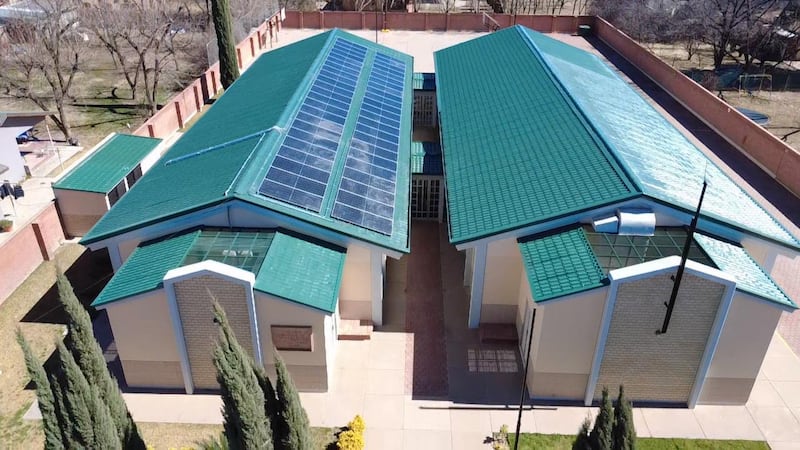
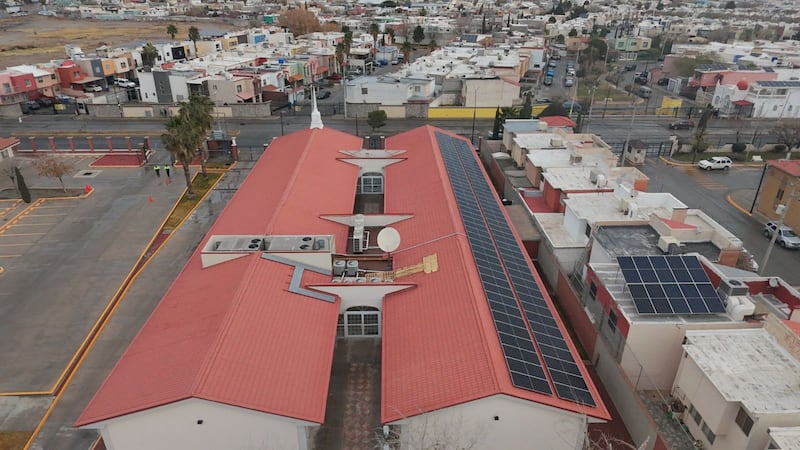
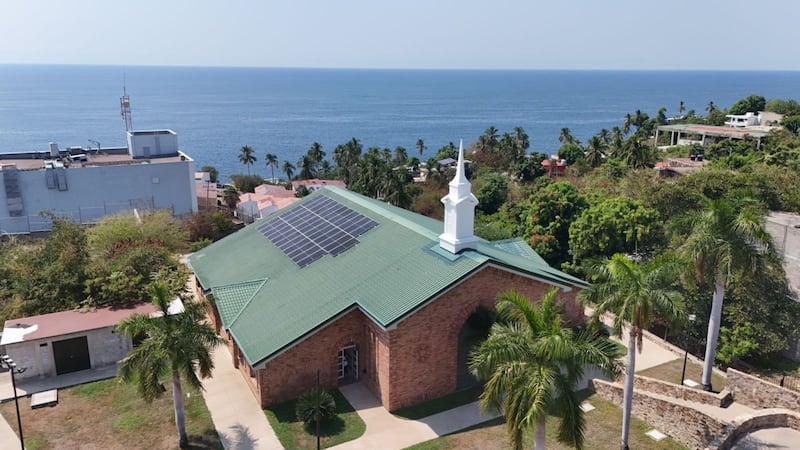
- Installing solar panels at church meetinghouses to convert sunlight into energy for lighting, air conditioning and other services.
- Implementing water-wise landscaping by using native or drought-resistant vegetation.
- Implementing reforestation programs that help improve air quality and strengthen the environment.
These practices “seek to reduce environmental impact and optimize operational resources, while promoting a culture of caring for the planet among leaders and members of the church,” said Alberto de Hoyos, operations and maintenance manager for the church in Mexico.
“The church’s commitment to caring for the planet is reflected in concrete actions aimed at using resources more wisely and showing gratitude for God’s creations,” de Hoyos said in the church’s news release.
Approximately 3,100 solar panels have been recently installed at more than 50 church meetinghouses in Mexico so far. This is expected to reduce energy consumption by nearly 90% at each site and reduce demand on the local electricity grid, according to the church’s release.
These solar panels are also expected to prevent roughly 1,240 tons of carbon dioxide from being emitted each year, the release adds.
In terms of water conservation, the Church of Jesus Christ in Mexico is adapting its facilities’ landscaping to local conditions, mirroring some of what the church has done to save about half a million gallons of water in the American West.
In water-stressed areas, for instance, the church is replacing grass areas with low-water vegetation and evaluating rainwater capture and reuse systems.
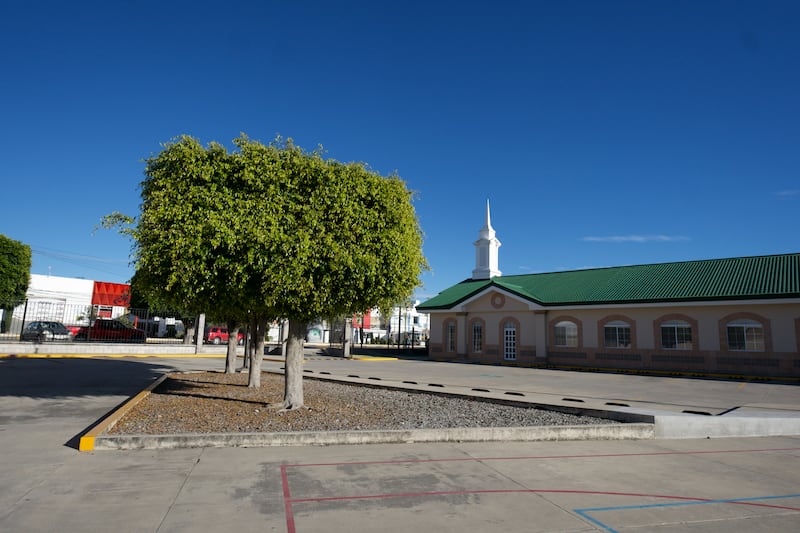
The Church of Jesus Christ in Mexico is also advancing environmental reforestation initiatives by planting trees and native vegetation in multiple regions.
“These efforts help reduce heat, improve local air quality, capture carbon, improve groundwater infiltration and strengthen local ecosystems,” the church’s release states.
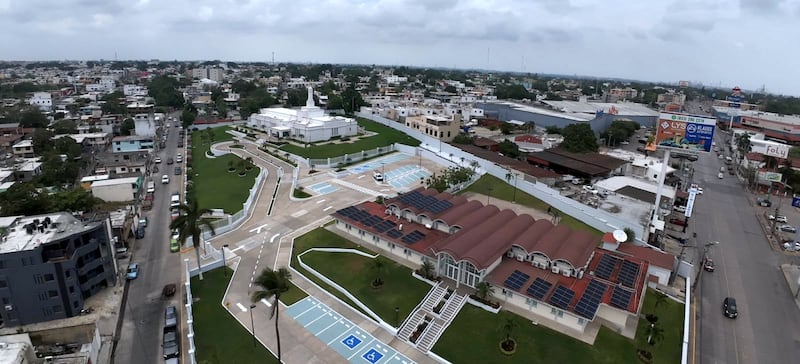
Permeable pavement parking lots are also being installed at different church facilities to allow rainwater to filter into the ground and in turn reduce water waste, support aquifer recharge and help lower heat retention.
The Mexico Missionary Training Center as a model
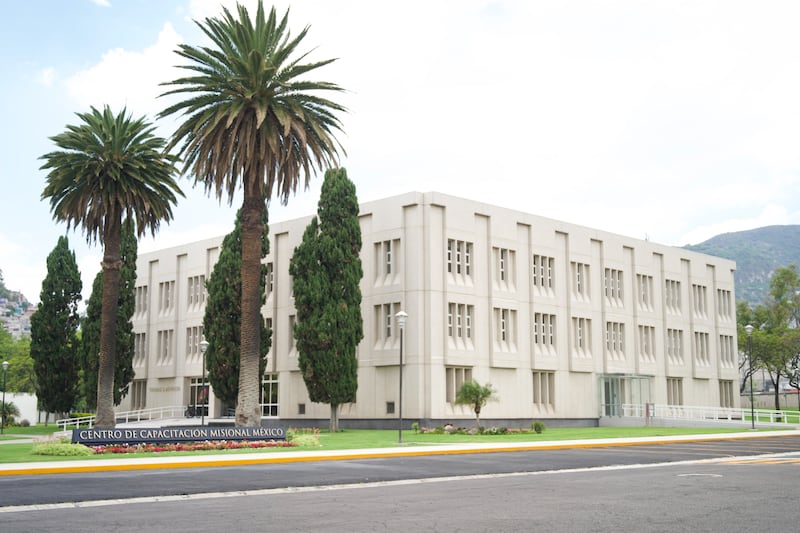
The church’s Mexico Missionary Training Center, located in Mexico City, serves as an active model of how the church is comprehensively implementing sustainability practices across the country and the world, according to the church news release.
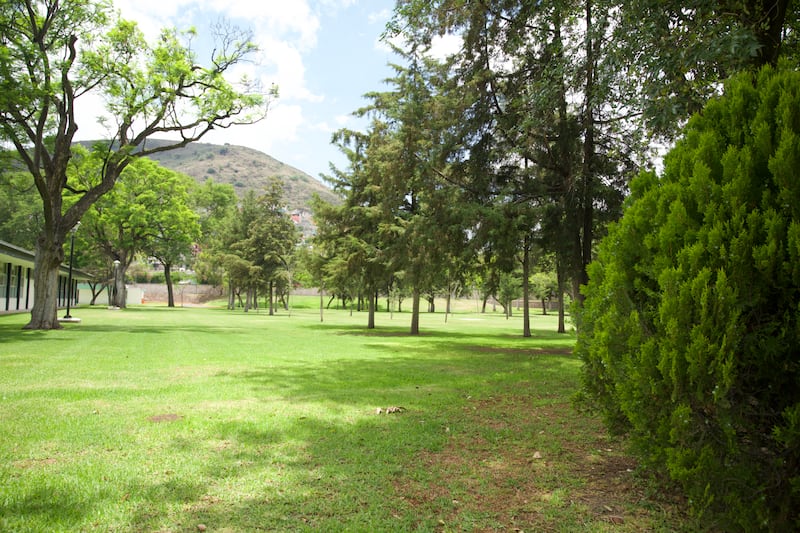
In the last five years, for instance, nearly 200 trees have been planted on the training center’s nearly 89-acre campus. These trees, which include oaks, jacarandas and olive trees, help to generate oxygen, capture carbon and maintain ecological balance, the release states.
Solar panels heat about 80% of the water used at each of the center’s 50 residences, which house up to 26 missionaries each. The solar panels have also helped cut annual gas consumption by roughly 80%, per the church’s release.
To manage water usage, the training center also operates a treatment plant with a daily capacity of more than 92,000 gallons, which can serve up to 2,500 people. The water treated at the plant is used to irrigate green areas, which currently account for 54 acres of the training center’s campus.
The training center also has a rainwater harvesting system with a capacity of nearly 120,000 gallons.
“These actions reflect a comprehensive vision of sustainability that combines environmental responsibility, efficient resource use and community commitment,” de Hoyos said of the missionary training center’s sustainability practices.
The Church of Jesus Christ of Latter-day Saints holds several priorities which help to guide its sustainability efforts worldwide. The practices being implemented in Mexico align with these priorities, which include implementing renewable energy, conserving water, avoiding material waste and adapting to climate risks.
Learn more about the church’s eight key sustainability priorities here, plus see what Elder Gérald Caussé of the Quorum of the Twelve Apostles said of these priorities in his first public appearance as a Latter-day Saint apostle here.