

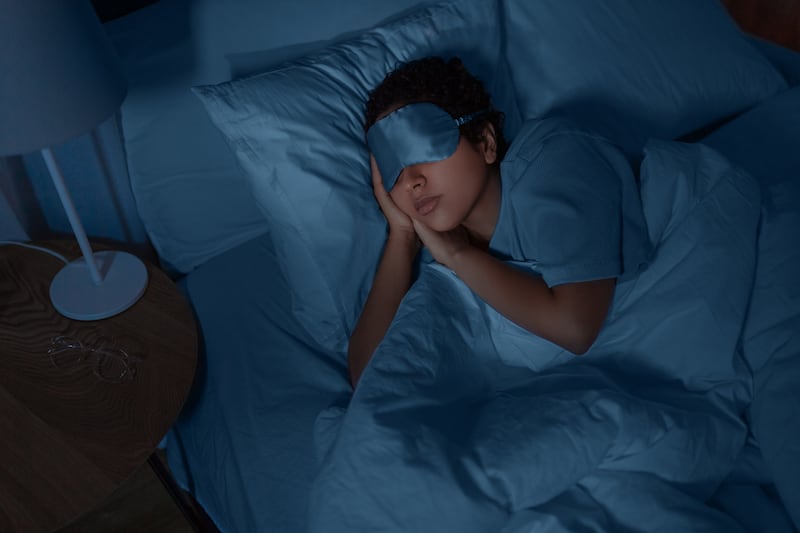

The importance of getting a good night’s sleep is obvious to anyone who doesn’t get one. Restless nights can leave us cranky, sluggish and just plain out of sorts. While getting plenty of sleep makes us feel alert and upbeat, many older adults have trouble either falling asleep or staying asleep throughout the night.
While there is plenty of evidence that getting 7-8 hours of sleep promotes longevity and healthy living, there isn’t as much practical advice available on how to make it happen.
It’s not that we don’t want to get a good night’s sleep or that we are partying until the wee hours of the morning night after night; instead, biology is working against us. Research has repeatedly found that approximately half of all Americans over the age of 65 — or as many as 30 million of us — have problems sleeping.
Sleep apnea, changes in circadian rhythms, medications, night time routines and lifestyles can all affect sleep patterns and sleep hygiene. So, of course, can the things we worry about most often: our circumstances, our children and grandchildren, our future.
Daytime events can spill over into various types of insomnia. So can past memories. Once relaxed, past events or activities that we rarely think of — or may even have forgotten — can recur or even interrupt the REM (rapid eye movement) phase of sleep when we are most likely to dream.
What and when we eat and drink can significantly affect our sleep, as the novelist Virginia Woolf once noted. “One cannot think well, love well, sleep well, if one has not dined well,” she wrote in “A Room of One’s Own.”
Medical science has substantiated her observation. Since the body’s metabolism does not stop while we are asleep, what we’ve eaten — and how recently before going to bed — can significantly affect how well we sleep. During sleep, blood sugar levels fluctuate and those sensitive to glucose changes can subsequently have unexpected cortisol and adrenaline hormone releases that can cause sudden awakening.
Breathing patterns also change while we are sleeping. Typically, they become slower and shallower. Brief drops in oxygen levels can trigger micro-awakenings just long enough to create uneasiness and sleep disruptions.
Nocturia — or needing to pee more than two times during the night — is also affected by what we do and what we drink during the day. This is a multifaceted issue that extends beyond mere nighttime bathroom trips. From a physiological perspective, nocturia occurs in older adults partially as a function of aging, Bryant Whiting, a local urologist, told me.
These age-related influences include changes in kidney function, decreased bladder capacity, and conditions such as diabetes and urinary tract issues. When younger, he said, men in particular will process about two-thirds of their urine during awake hours. However, as we age, it is not uncommon for the ratio to flip and the kidneys to make two-thirds of the body’s urine while sleeping.
Additionally, medications with diuretics can exacerbate nocturia. These frequent nighttime awakenings can all lead to fatigue, daytime drowsiness and impaired cognitive functioning.
Beyond the physical health implications, nocturia can profoundly impact the social and emotional well-being of older adults. The need to get up multiple times during the night can lead to embarrassment and frustration which, in turn, can lead to a reluctance to even go to bed.
What’s a body to do?
Lifestyle modifications such as reducing fluid intake in the evening, managing underlying medical conditions and practicing good sleep hygiene can help mitigate symptoms, Whiting said.
Here’s some tips that could help seniors who have trouble sleeping get a good night’s rest:
- Follow the 10-3-2-1-0 rule: No caffeine 10 hours before bed, no food or alcohol three hours before bed, no work or studying two hours before bed, no screens one hour before bed, and no hitting the snooze button in the morning.
- Consider exercising in the evening instead of the morning. While exercise is clearly related to better sleep, most people like exercising earlier in the day or first thing in the morning. But there is some research that for seniors, exercising in the evening can promote relaxation and reset circadian rhythms that enhance better sleep.
- Try wearing socks to bed. My daughter has done this for years and says it really helps her fall asleep faster. Beyond comfort, wearing socks improves sleep patterns through a process known as distal vasodilation. To fall asleep, your body lowers its core temperature by moving warmth to your hands and feet. However, cold feet restrict this heat release, thereby keeping your core temperature higher and your brain more alert, making it more difficult to fall asleep. Increasing blood circulation to your feet allows your body to lower its core temperature and signals to the brain that it can relax. My daughter says the sense of coziness is an additional benefit.
- If awakened in the night, use a deliberate eye movement hack to go back to sleep. My wife began doing this some months ago and has found she is able to go back to sleep easily after getting up to go to the bathroom. Experts say this technique works because the small muscles that move your eyes are connected to cranial nerves in the brainstem that are like a switchboard for your wakefulness and sleep cycles. When you guide your eyes through such specific movements, it’s like telling your whole nervous system it’s time to wind down. My wife says she rarely has to deploy the technique more than a few times before she is off to la la land.
Natural sleep remedies for older adults also include sticking to a regular sleep schedule, using an overhead fan, keeping your bedroom dark and turning on white noise (although new evidence suggests added noise can sometimes disrupt sleep, too). Beverages like chamomile tea, warm milk and tart cherry juice have been found to help some people who experience trouble sleeping.
Prioritizing restorative sleep is essential for older adults as a cornerstone for longevity and overall healthy living. Beyond simply feeling more alert and upbeat, consistent, high-quality rest supports vital cognitive functions and reduces Alzheimer’s risk.
By adopting proactive sleep hygiene, seniors can better deal with common disruptions like nocturia and insomnia. Investing in sleep habits that promote a good night’s sleep is an important way to enhance emotional well-being and maintain a vibrant, active lifestyle.