

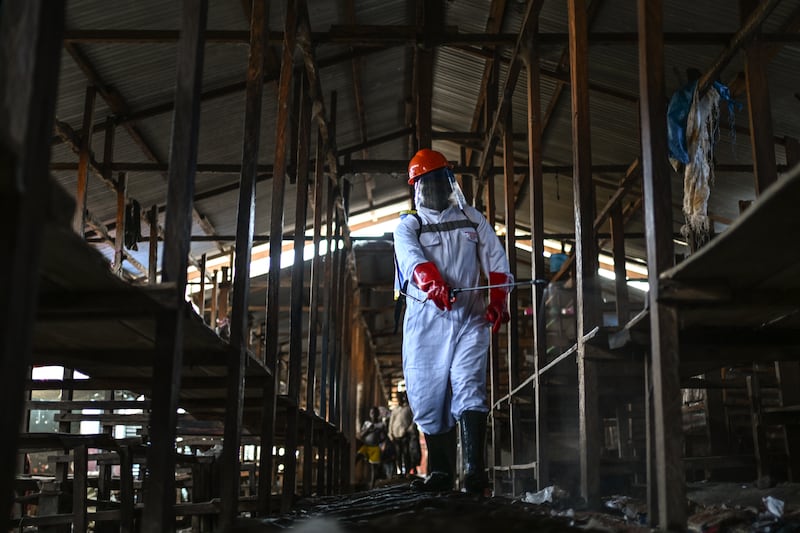

- The Ebola outbreak in Africa has become the third largest on record.
- The CDC said the risk to Americans remains low.
- Uganda closed its border to Congo in an effort to stop the spread.
Suspected and confirmed cases and deaths from the Ebola disease have risen since the outbreak in the Democratic Republic of the Congo was announced 12 days ago, making it the third largest outbreak on record as reported by the New York Times.
Deseret News previously reported that as of May 17, there were 10 confirmed Ebola cases, 336 suspected cases and 88 deaths in the DRC, as well as two confirmed cases and one death in Uganda.
As of May 26, the Centers for Disease Control and Prevention said there are 105 confirmed cases, 906 suspected cases, 223 suspected deaths and 10 confirmed deaths in Congo. In Uganda, there are seven confirmed cases and still one confirmed death.
At a member state information session on May 22, World Health Organization director general Dr. Tedros Adhanom Ghebreyesus revised the agency’s risk assessment to be “very high at the national level, high at the regional level, and low at the global level.” Before, the assessment was “high at the national and regional levels and low at the global level.”
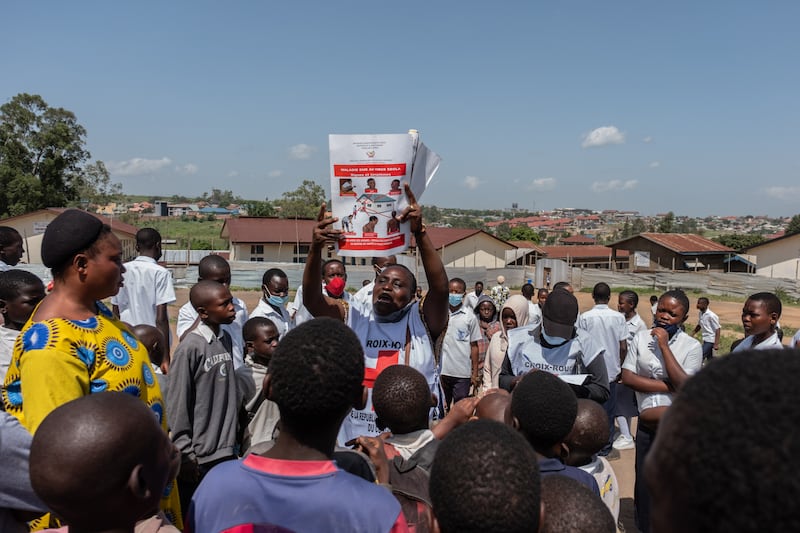
Are there Ebola cases in the U.S.?
Currently, there are no reported Ebola cases in the United States, and the CDC said “the risk to the general public remains low.”
Last week, the Trump administration invoked Title 42. According to the Times, it’s a public health law “to bar immigrants and legal permanent residents who had been in Congo, Uganda or South Sudan in the previous 21 days from entering the United States.”
The article said the order “would also keep U.S. citizens who might have been exposed to Ebola out of the country.”
On May 17, an American in Congo tested positive for Ebola Bundibugyo disease, according to the CDC. The person was flown to Germany for treatment.
The Times said that’s not the typical protocol from Ebola outbreaks in the past. Previously, “U.S. citizens exposed to the virus were brought home to be treated at specialized medical units.”
The CDC said the American was sent to Germany because it was a shorter flight, and the country has previous experience caring for Ebola patients.
Other high-risk contacts with the American case were subsequently sent to Germany and the Czech Republic.
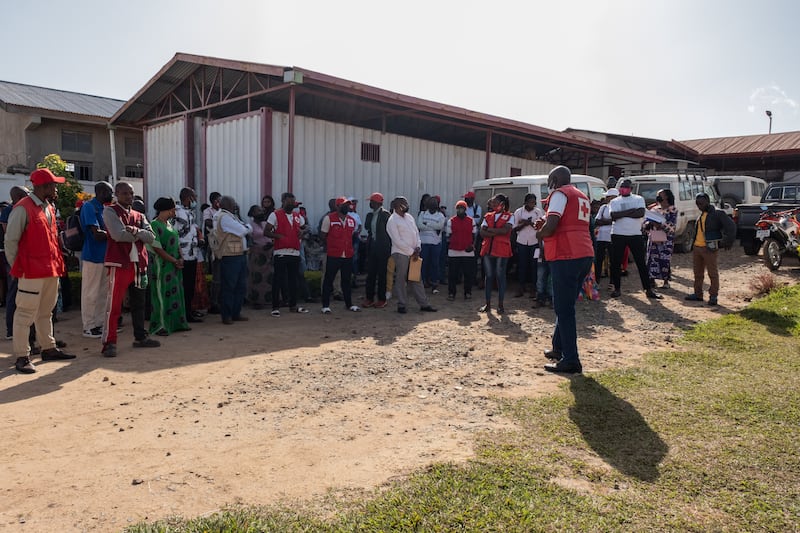
Impact on the Democratic Republic of the Congo
The situation in Congo is bleak. According to The Associated Press, a displacement camp in Bunia, a city at the center of the Ebola outbreak, has one handwashing station and one infrared thermometer for 10,000 people.
Camp residents are advised to wash their hands before eating to prevent the disease from spreading. Those with soap are lucky, but the rest use oatmeal or sand to wash their hands, per AP.
One resident told AP they have “no protection, no water or soap and we live near garbage.” The article said supplies are being sent to the camp’s province.
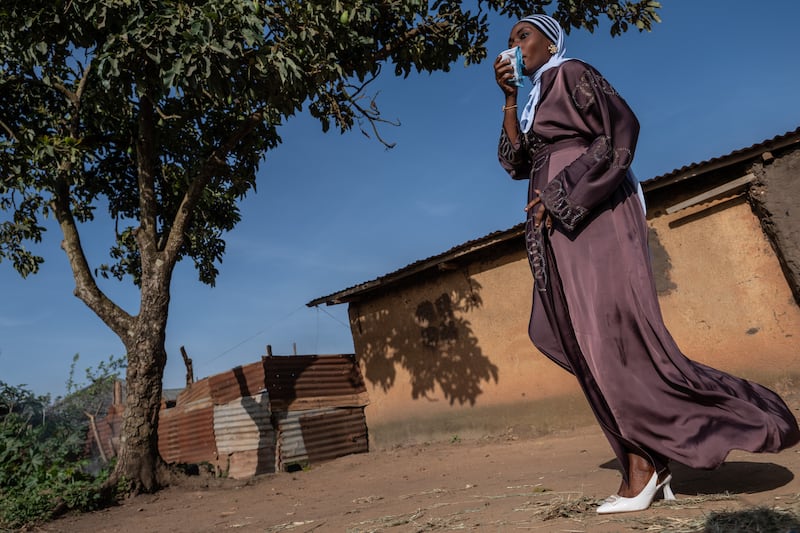
Uganda closed its border with the DRC on Wednesday as the outbreak increases, according to AP. People can now only cross the border under emergency circumstances, and they must quarantine for 21 days after arriving in Uganda.
AP said closing the border “goes against World Health Organization guidance.”