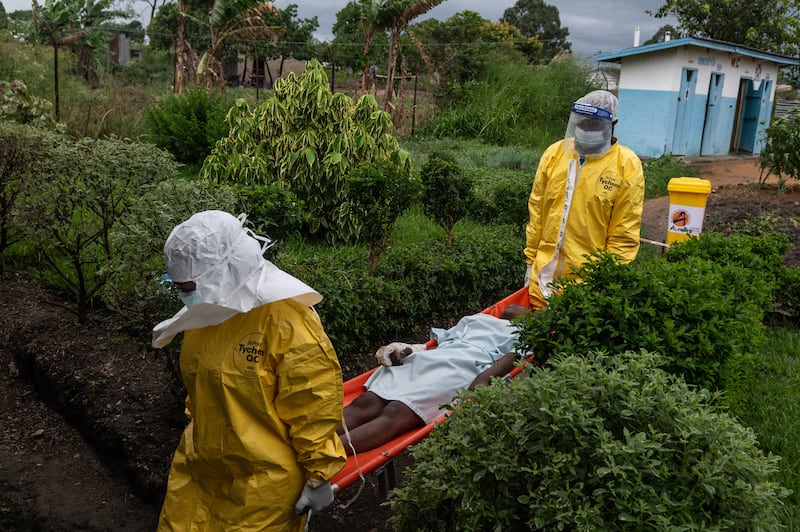

- Red Cross volunteers face physical danger from the community while trying to bury bodies.
- Health workers in Ituri province went on strike over unpaid wages.
- The Bundibugyo strain of Ebola continues to spread.
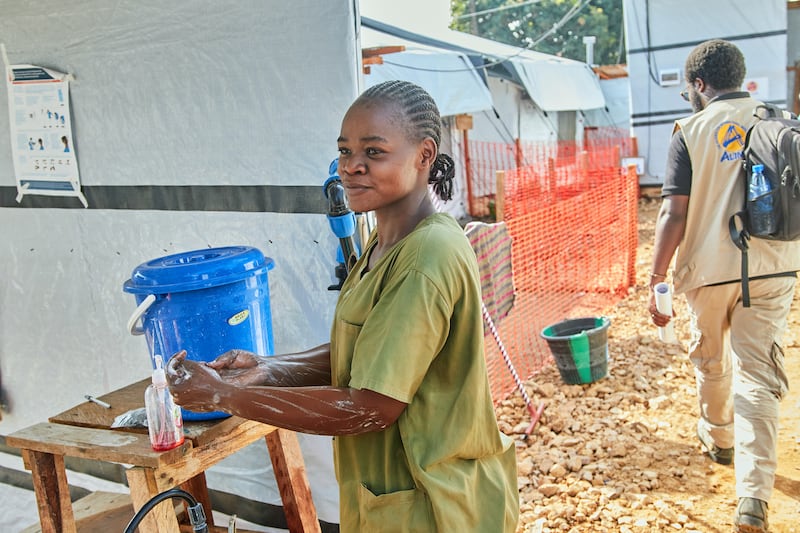
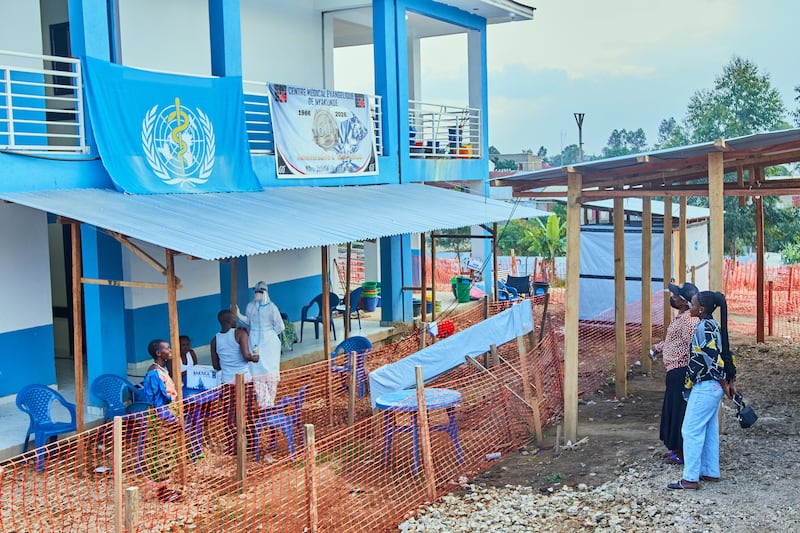
Volunteers, health professionals and workers have flocked to the Democratic Republic of the Congo to provide aid in the Bundibugyo Ebola outbreak that began in May. But they haven’t all been received with open arms.
According to a Red Cross worker interviewed by The New York Times, they are risking their lives by volunteering in Congo, where there are more than 1,600 confirmed cases and 521 confirmed deaths reported by the Centers for Disease Control and Prevention as of July 5.
The risk the worker referred to isn’t the risk of exposure.
Fleeing a funeral
Per The Times, the worker, Ramazani Bokwandela, described running away from an Ebola victim’s funeral as villagers chased and beat four of his fellow volunteers, leaving them hospitalized.
Bokwandela and his co-workers were trying to bury the body when the fight broke out. The Congolese mourners associated the Red Cross workers with Ebola and accused them of bringing the disease to the town, the article said.
After escaping the funeral, Bokwandela used a snail shell to “(slice) off the sleeves of his Red Cross tunic,” and then disguised himself as a farmer.
The Times quoted Dr. Chikwe Ihekweazu, the head of the World Health Organization’s emergency response unit, who called the burying of the bodies “one of the riskiest jobs in the entire response.”
But Bokwandela keeps going back to work, despite the adversity. “I’m doing it for myself, my family and my community,” he said, per The Times.
Going on strike
There are more obstacles for the workers in Congo besides being chased out of funerals.
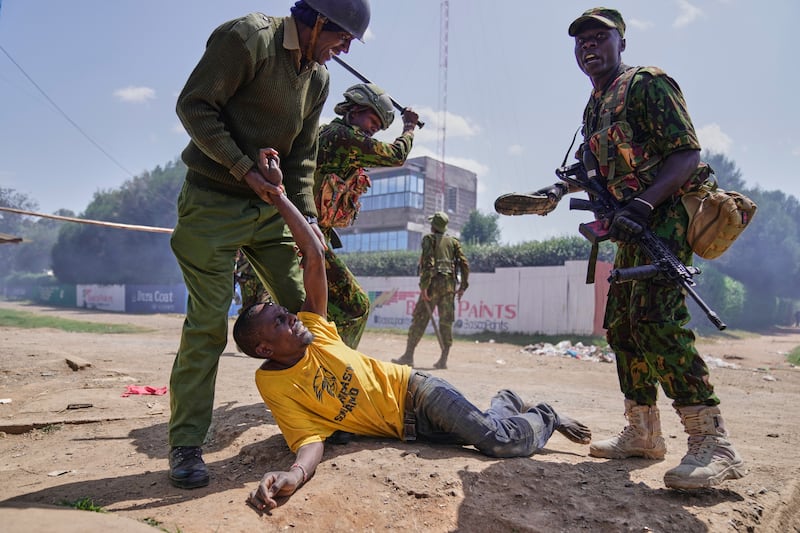
Associated Press reported Wednesday that some frontline workers in Ituri province, which in Congo has the most Ebola cases, are on strike because they haven’t been paid since the outbreak started. “They also alleged they were working with limited gear, and were being treated unfairly by authorities as well as response teams,” AP reported.
The workers sent “an official notice to national and provincial authorities over the weekend,” letting them know a strike would begin if they weren’t paid within 24 hours, the article said. A protest also took place on Monday.
“We are doing everything we can to make the public understand how dangerous this disease is. I came here to save people’s lives, but this is how I am being thanked. We are working day and night without being paid,” AP quoted Dr. Ghislain Maneba, an epidemiologist and community investigator in the Rwampara health zone.
Officials said the disease “continues to spread faster than the response,” according to the article.