

In a year of widespread upheaval, Labor Day’s meaning and significance rings louder than usual.
From the doctors and nurses fighting on the frontlines to minimize lives lost to COVID-19 to the diligent workers keeping grocery shelves stocked with toilet paper and soap, truck drivers getting goods across the country as quickly as possible and postal workers continuing to deliver important mail — these are the people who kept the country going in the midst of stay-at-home orders and public health emergencies.
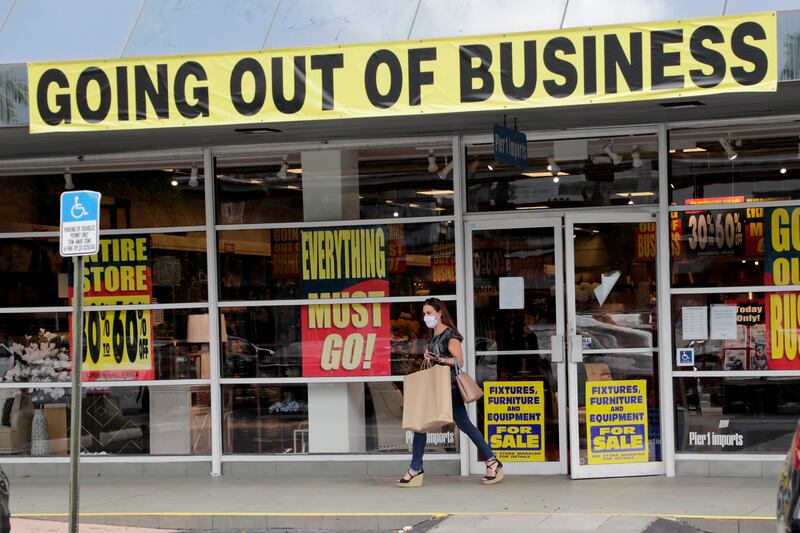
Simultaneously, the economy is shattered. Unemployment rates soared to levels not seen since the Great Depression. Minorities and women were hit the hardest by furloughs and layoffs. The travel industry isn’t expected to recover for at least two more years, with some experts predicting it could be closer to half a decade or more.
The jobs report released Friday showed the United States had added 1.4 million jobs in August and that unemployment had fallen to 8.4%.
While that’s an improvement over the 14.7% rate in April, it’s still far from pre-pandemic levels, and millions of furloughed jobs have turned into permanent layoffs.
August’s report is the first hint on the state of the economy since the end of most emergency federal spending, including the additional $600 weekly supplement to unemployment benefits.
Growth is already much slower than it was in June. This could have been alleviated by further help from Congress passing a second stimulus package before breaking for the August recess. Instead, talks broke down and lawmakers headed home without a deal.
Back in session tomorrow, Congress should take their responsibility to help America’s workers seriously.
In July we urged lawmakers to pass a second round of stimulus to help the economy survive a rough period brought on by a virus. As much as we advocate for conservative and balanced budgeting, there are times when deficit spending is needed. Economic indicators have not significantly improved since the start of summer, suggesting this may well be one of those times.
Labor Day was designed to remind America of a time when worker’s rights weren’t taken seriously and when too many were seen as disposable or unimportant. As a large portion of the country struggles, by no fault of their own, to find work and keep their families afloat, they must not be overlooked or ignored at the expense of partisan politics.
Essential workers have kept the country running, and millions of other American workers have been blindsided by a situation nobody saw coming.
We recognize the complexity of crafting a limited yet helpful spending package that will simultaneously boost Americans hit hardest by the pandemic while providing guardrails for unchecked spending. It’s no easy task, but then again, governing never has been easy, and we expect our lawmakers to quickly convene, hold vigorous debates and craft the right bill for the country.
Failing to do so only protracts recovery.
This country runs on the back of its workforce. If leaders aren’t looking out for them, everyone suffers.