


I was climbing Mount Wire above Salt Lake City. Just as the view opened up to the west, I looked out across the city and ogled the lights in the valley. The mix of emissions had settled into a thin haze, but the city lights still cut through the smog. My eyes were drawn to the longest strand of headlights, snaking their way from Tooele to SLC — eastbound on I-80. It wasn’t until many years later that I considered the question: Why isn’t there a train to Tooele?
The Tooele Valley has doubled in population between 1990 and 2010. Despite this boom in population from 26,000 (1990) to about 82,000 in 2020 and an estimated 90,000 residents by 2030, there have been few upgrades in transit between Tooele and the Salt Lake Valley — where most of the jobs residents are commuting to are located.
The major thoroughfare to the north is I-80, a massive and fast route that regularly backs up. The much longer route to the south, Utah State Route 36 to State Route 73, takes commuters into Utah County via Eagle Mountain. As of 2021, about 22,000 Tooele Valley residents (or about three-quarters of the workforce) commuted out of the valley for work on a regular basis. Of these commuters, 70% are commuting to Salt Lake County. About 16% of these commuters are traveling east of I-15 into the heart of Salt Lake City.
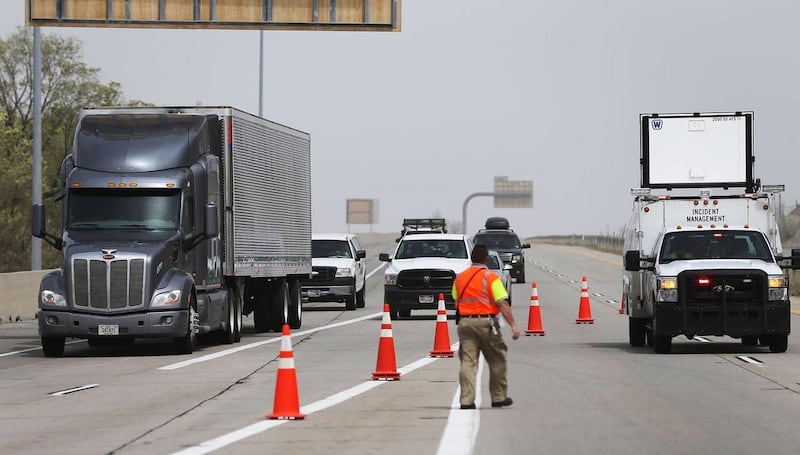
This daily migration creates a precarious situation for thousands of families. With no alternative transportation infrastructure, these commuters are dependent on I-80 — a lifeline that closes due to wind storms, snow and traffic accidents. On August 27th, 2024, traffic backed up westbound on I-80 due to a crash in the onramp. UDOT recommended to drivers, “Please use an alternate route.” The only other option is at least another hour detour through Utah County!
When the interstate closes, as it frequently does, the economic lifeline between Tooele County and Salt Lake City is effectively severed. The residents of this valley deserve a more robust and diverse set of transit options to connect them with the regional centers of work.
I’m not the first to notice this need. The Utah Transit Authority (UTA) conducted a detailed study on transit options in 2021. The study authors considered four transit solutions:
- Mixed flow express buses (similar to the existing framework)
- Mixed flow express buses with limited stops
- Bus rapid transit (BRT) running in a separate lane on I-80
- Rail service
In a poll of residents, the rail option was favored, but UTA’s analysis showed that the BRT option provided the best cost-benefit balance.
Though I don’t live in Tooele County, I believe regional issues require bold solutions. We are in a time when we need to be building larger, more permanent non-car-centric infrastructure that helps move people to the centers of work. With transportation accounting for nearly 40% of the Wasatch Front’s air pollution, shifting thousands of daily car commuters to rail would significantly reduce the emissions that create the very haze I observed from Mount Wire. This view also aligns with national transportation priorities — Secretary of Transportation Sean Duffy recently said on a trip to Utah that public transit is “an issue that the Congress says we should invest in.”
Only rail offers a non-highway based solution to the rising cost of fuel, increased traffic congestion and road restrictions. A rail line could connect to the county’s major population centers to the Salt Lake City Airport and connect via a train terminal to the existing TRAX and FrontRunner network. While UTA’s report finds that there is a “lack of existing, available rail right-of-way, [and] the [challenges of] distance between residential and employment opportunities,” long-term planning for a more permanent transit future should begin now, not after the fact.
Tooele Valley’s growth is inevitable. As Salt Lake County’s housing prices continue to rise, more families will look westward for affordable homes. The UTA study projects these trends will continue, with Tooele’s population expected to reach approximately 90,000 by 2030. I propose using the 2034 Olympics as a deadline to motivate us to invest in forward-looking transit infrastructure that will serve Utah long after the Games conclude.
Yes, rail service would be expensive — the study estimates approximately $970 million in capital costs — just one-fourth of the cost of the imminent I-15 expansion, and slightly more than the current proposal for the Little Cottonwood Canyon Gondola, which serves fewer people. The Tooele County transit study recommends strategies that could start immediately, including rail corridor preservation. A train would also help reduce the particulate pollution that contributes to poor air quality and associated health impacts in northern Utah.
Looking back at those headlights I saw from Mount Wire, I imagine a future where they’re replaced by the steady glow of a commuter train, carrying thousands of Tooele residents safely regardless of weather conditions. This isn’t a radical idea — until 1958, a rail line connected the Saltair resort to downtown Salt Lake City, demonstrating that rail connectivity to the western valleys is not only possible but has historic precedent. A train to Tooele isn’t just about transportation — it’s about connecting communities, expanding economic opportunities, reducing pollution and building a sustainable Utah we want for future generations.