


Utahns are being forced to accept a massive new data center in Hansel Valley, with virtually no public debate. Why? And what could we learn from this?
The technical concerns with this data center are serious. The project would industrialize a large stretch of fragile desert ecosystem, disrupt wildlife, escalate water stress and increase toxic chemicals and particles in the air. At full scale, the annual carbon emissions (30 million tons of CO2/year) would exceed those from Utah’s entire transportation sector, every car, truck, bus and train, combined.
Data centers generate tremendous heat. At nine gigawatts, the proposed data center could increase daytime temperatures 2-5 degrees, adding to existing heat stress in the area. Nighttime temperatures are much more problematic, increasing an estimated 8-12 degrees according to USU physics professor Rob Davies.
Desert ecosystems rely on water that condenses when temperatures drop below the dew point. A permanent rise in local temperatures would shut down this critical water source for plants and significantly increase evaporation rates in the region.
Any one of these technical concerns should be reason to pause decision-making. But the deeper concerns are not technical. They are civic and moral.
Projects of this magnitude affect landscapes, economies and communities for generations. Decisions like these deserve time, transparency, independent review and meaningful public deliberation. Instead, local officials were given very limited time to evaluate a complex project with profound statewide implications. That should concern every Utahn, regardless of where they stand on this particular proposal.
We cannot normalize a pattern in which large and complex infrastructure projects are rushed through before the public fully understands the tradeoffs, risks and long-term consequences. That’s not how a healthy democracy functions. It is not consistent with America’s best traditions of local accountability and careful self-government.
Then there’s the bigger question: What kind of future are we trying to build?
The push for massive AI infrastructure is being framed as inevitable, just the next phase of economic growth and technological progress. We are told we must move faster, build bigger and consume more to remain competitive. But history teaches that not every form of growth leads to progress.
Across the country, data centers are expanding their own dedicated power generation because the electrical grid cannot keep pace with AI’s escalating demands. In many places, that means new fossil gas infrastructure, extended coal generation and enormous new resource consumption. This should give us pause.
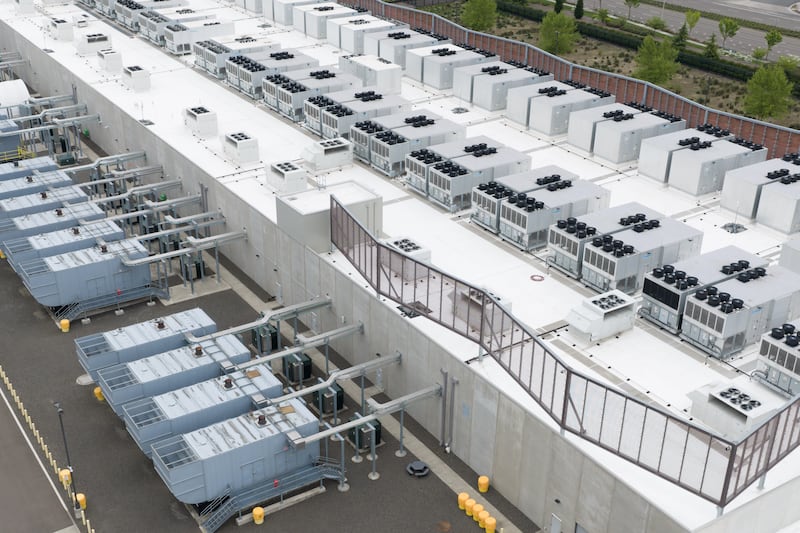
For years, Americans have been told that technology would help reduce environmental pressures and improve efficiency. Yet many emerging technologies are now driving explosive growth in energy demand, water use and mining, at the very moment we are struggling with worsening drought, wildfire, ecological degradation and infrastructure strain.
Utahns rejecting this data center understand stewardship. They understand that living in the desert requires restraint, foresight and respect for limits. Previous generations learned, sometimes painfully, that short-term gains can create disastrous long-term consequences. This is not an argument against innovation or technology. AI may bring real benefits. But innovation without wisdom is not progress. A society capable of building increasingly powerful technologies must also be capable of asking deeper questions about purpose, scale, and long-term responsibility.
My concern is not just that we might be making mistakes. It’s that we may be making mistakes faster than we can learn from them. We are capable of making ruptures deeper than can be repaired.
A society capable of building increasingly powerful technologies must also be capable of asking deeper questions about purpose, scale, and long-term responsibility.
The central issue is not whether this single project is entirely good or bad. It is whether we are still operating under assumptions that no longer hold: that endless growth always improves human well-being, that higher energy consumption always produces more value and that technological advancement can substitute for moral clarity.
Increasingly, those assumptions deserve reconsideration.
Utah could choose to lead differently. We can insist on transparency. We can be more deliberate in making decisions whose consequences will outlast all of us. We can ask whether projects strengthen the long-term health of our communities, landscapes and energy systems, or merely accelerate existing pressures.
Stewardship is not anti-progress. Stewardship is what allows progress to endure.
The question before us is larger than one data center. It is whether we still possess the civic wisdom to govern ourselves responsibly in an age of immense capabilities.