

Every year across our nation hundreds of people die, and tens of thousands are injured in vehicle-wildlife collisions — and the carnage doesn’t end there. The annual death toll for wildlife runs in the millions, not to mention the roughly $10 billion in property damage. It’s a huge problem in most states.
Thanks to the efforts of the Utah Department of Transportation, along with its partners and federal grants, the Beehive State is one of a handful of states aggressively working to reduce vehicle-wildlife collisions with strategically placed wildlife crossings. Utah installed the first wildlife bridge in the nation, and it now has 60 wildlife crossings, which come in the form of specially designed bridges, tunnels, underpasses and fencing.
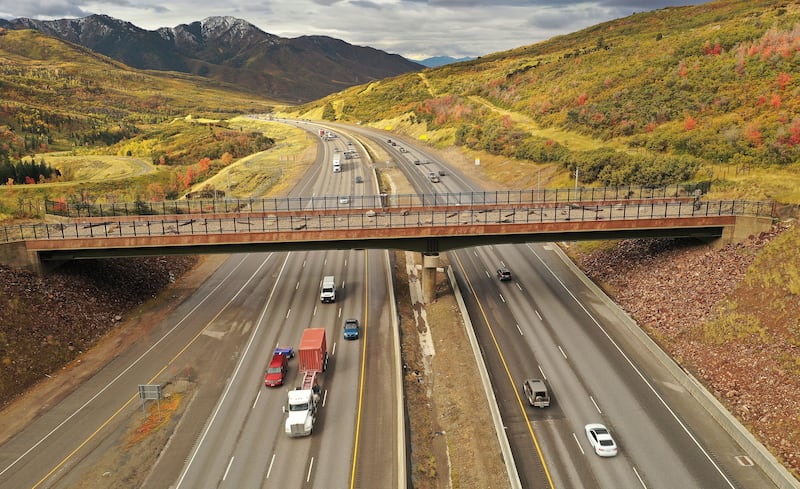
For some folks, it might seem strange to expect animals to use an overpass or tunnel, but they do. A video posted by the Utah Division of Wildlife Resources shows a diverse array of wildlife using the Parleys Summit wildlife crossing. Moose, deer, bears, bobcats, coyotes and even porcupines can be seen safely crossing I-80 while vehicle traffic passes underneath.
In fact, between May of 2020 and September 2024, wildlife cameras documented more than 4,300 unique visits to the overpass involving at least 34 species.
A 2025 Utah State University study of the Parleys Summit overpass over I-80 shows that it has saved $15 million in property damage and resulted in a 77% reduction in wildlife-vehicle collisions. Similarly, a multistate report by ARC Solutions found that crossing structures combined with complementary features such as fencing can reduce motorist collisions involving wildlife by up to 97%.
Since all life is precious, the role these crossings play in wildlife conservation is significant. The impacts often extend well beyond the animal killed. Often calves, cubs, pups and other wild babies are left to starve when their mother is struck by a vehicle. In one tragic incident, after a baby moose was struck and killed, its mother stayed beside it for days trying to chase off every car that passed by.
Now that we have these proven solutions to dramatically reduce the deadly carnage and costs of vehicle-wildlife collisions, it’s imperative that we get these crossings in place on additional stretches of highway where the number of these collisions is unacceptably high.
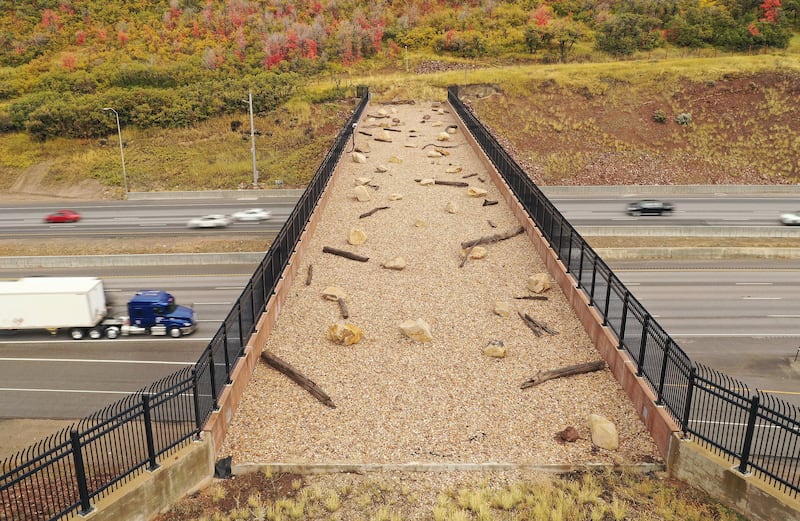
For that to happen, Utah needs additional federal grant dollars to maintain and expand this program. The Wildlife Crossings Pilot Program, which was created as part of the last U.S. Department of Transportation “highway bill,” has provided much of the funding for these and other projects.
Given its resounding success in Utah and other states, this pilot program needs to be adopted on a more permanent basis.
Thankfully, the U.S. House of Representatives has already included funding authorization for the wildlife crossings program in the recently passed BUILD America 250 Act. Now attention shifts to the U.S. Senate,
In Sen. John Curtis (R-UT) we have someone who recognizes the benefit of these wildlife crossings. He is the co-sponsor of the Wildlife Crossing Reauthorization Act of 2025 (S. 3556). His bill is the key to getting the federal wildlife crossing program funded for another five years.
Of course, getting anything passed in today’s Congress is not an easy task. But securing funding for this life-saving program should be a no brainer. And while we always need to be fiscally judicious, saving Utah lives — people and wildlife — preventing injuries and avoiding the burdensome expense of medical bills, car repairs and higher insurance premiums make this a worthwhile investment.
Let’s support these proven, common-sense measures to reduce carnage on our highways by getting the Wildlife Road Crossings Program Reauthorization Act across the finish line.