

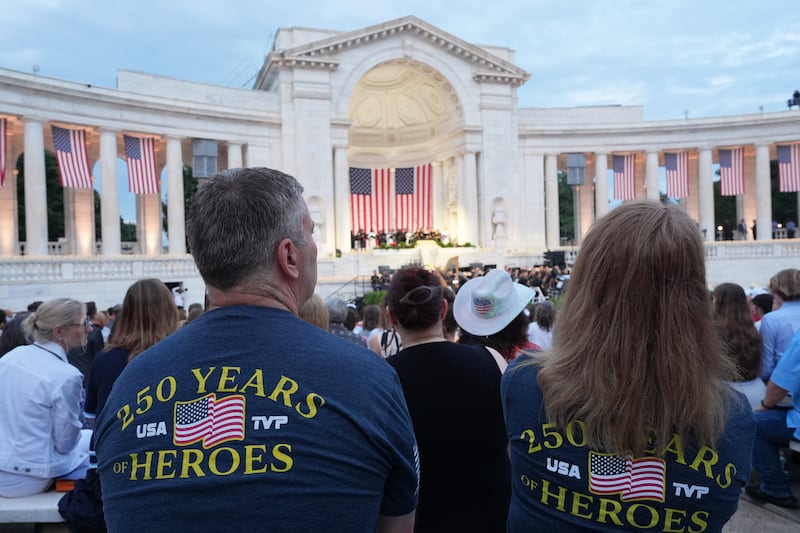
Fourth of July and America 250 celebrations are just around the corner. Although I love getting together with family, eating good food, and watching fireworks, the patriotism surrounding this holiday can feel performative. Patriotism in general is reportedly declining, and it sometimes seems as if our country is in the midst of its own revolutionary period.
We live in a hyperpolarized political environment. News of political violence and violence against religious groups appears in the headlines on a regular basis. Our country is involved in a war that is unpopular across party lines. The decorum that once existed with leadership titles in America has been replaced with regularly abusive and often offensive rhetoric toward reporters and political opponents. In short, it sometimes feels as if we do not have a country we can be proud of.
The fighting may have won us our freedom, but it’s the peacemaking that created our Constitution.
When we continue to be unable to find common ground as a nation, it’s easy to imagine things disintegrating into fighting. After all, when the cries of “no taxation without representation” fell on royally deaf ears, our Founding Fathers went to war to protect their rights.
However, what is more significant to me than the battles of 1776 are the moments that happened after. Delegates from each state came together to argue, write persuasive essays, compromise and ultimately cast votes to create a government that gave power back to the people. The fighting may have won us our freedom, but it’s the peacemaking that created our Constitution. I believe this very same kind of peacemaking is required of each of us to renew a sense of love and pride for our country.
Peacemaking is not always pretty. In the almost 250 years since the Constitution was framed, many of the biggest agents of change have used peaceful yet often controversial means to get their point across. Martin Luther King Jr. and many other leaders of the civil rights movement used boycotts, marches and moving speeches to influence change. The suffragettes used a variety of creative tactics, including hikes, barges, parades and, of course, the power of the pen to win women the right to vote.
We have seen success in similarly nonviolent boycotts and protests today. Currently, in Utah, a proposed data center in Box Elder County has come under massive public scrutiny. While the outcome of this data center has yet to be determined, we have seen a major shift in the rhetoric from local leadership following protests at the state Capitol, complaints against the developer’s water rights applications and scrutiny from online platforms. While this kind of protesting is not always perfect, it can be extremely effective at swaying leadership involvement and support.
Perhaps one of the most patriotic forms of peacemaking is utilizing the right to vote. It is essential to not only vote in major elections but also to participate in caucus meetings, primaries and local elections. Voting gives us each the opportunity to choose candidates who will not only represent our interests but also will work to bridge gaps between political parties and focus on nonpartisan issues. Additionally, when we are dissatisfied with our elected representatives, the greatest avenue to change is to vote them out of office.
One of my favorite ways to spend the legislative session each year is to regularly write letters and make calls to my designated representatives. You do not have to be a brilliant writer to voice concerns or gratitude over proposed legislation. While these letters and emails are not always issued a response, representatives take note of the support their legislation is receiving.
Peacemaking methods start with us and in our own communities. It is my sincere hope that this Fourth of July, we can remember the example of our Founding Fathers and their ability to find a peaceful way through disagreement. Whether through peacemaking efforts such as in-person protesting, social media influence, constructive conversations or simply nurturing good relationships with our friends and neighbors, I believe we can rediscover our love for this great country in which we live.