

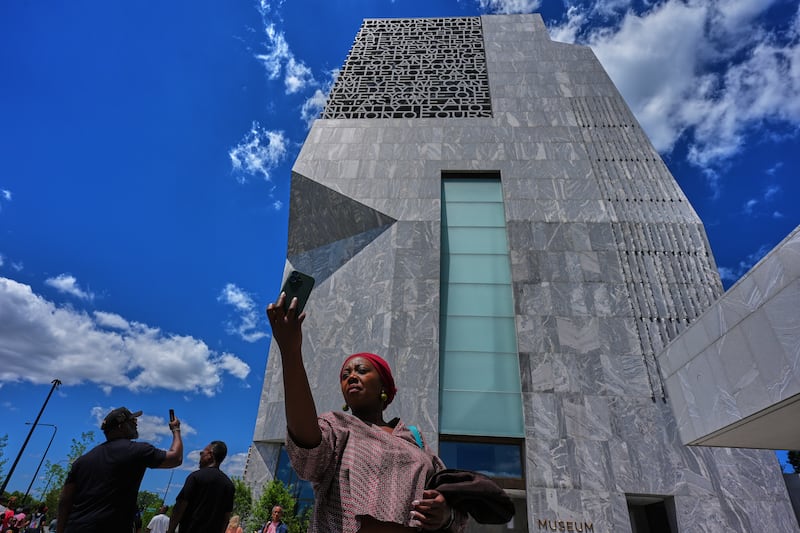

In Chicago, there is currently a campaign with the message “Bring Change Home.” That is exactly what Barack and Michelle Obama did in establishing the Obama Presidential Center here. They not only brought change back home to Chicago with their public service, but on a geo-architecture level, they brought change to the South Side of Chicago and the country at large.
The name of the Obama Presidential Center is very apropos. The design, content, curation and exhibits make for an experience much bigger than a museum. It is an innovative educational, historical and cultural experience. From entering to exiting the campus, all five senses are engaged and satiated, with unique sounds, textures and visuals. While there are countless volunteers on the campus, there is no need for a docent. The center invites and compels visitors to walk, listen, read, absorb, think, smile, take notes and pictures, remember and reimagine as they take in the experience.
When traveling to the Presidential Center, GPS takes you along the peaceful and beautiful shore of Lake Michigan, which reflects high-rises from Chicago’s skyline to Hyde Park along the Lake Shore Drive. The center is within walking distance, approximately four blocks, from the University of Chicago, which is also Michelle Obama’s former employer.
The apex of the museum serves as a prominent beacon of inspiration for anyone driving or walking in the community or campus. Some of the words from Obama’s 2015 speech commemorating the 50th anniversary of the march from Selma to Montgomery, Alabama, are etched on the exterior.
The message is: “You are America. Unconstrained by habit and convention. Unencumbered by what is, ready to seize what ought to be. The single most powerful word in our democracy is the word ‘We.’ ‘We The People.’ ‘We Shall Overcome.’ ‘Yes We Can.’ That word is owned by no one. It belongs to everyone. Oh, what a glorious task we are given to continually try to improve this great nation of ours.”
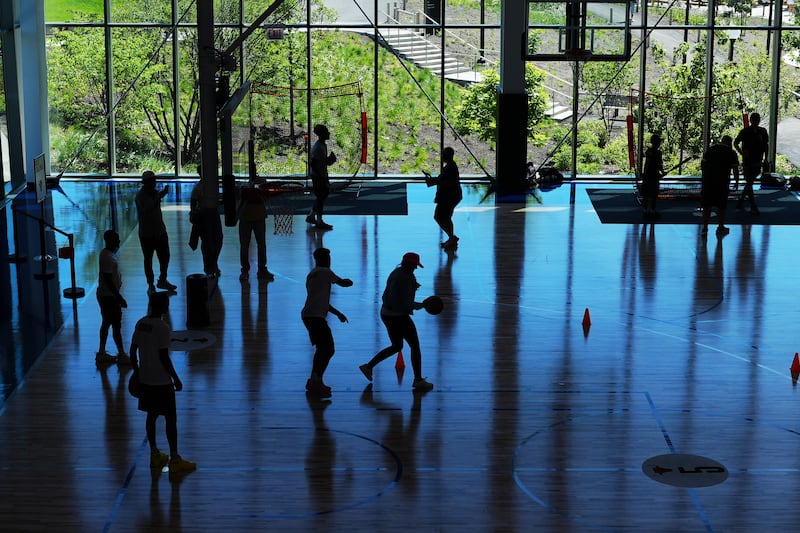
The sprawling campus surrounding the museum is impeccably designed and landscaped. The grounds are serene with benches placed thoughtfully, providing areas for reading, reflecting and relaxing. There is music throughout the campus. It’s not music piped in from a digital playlist or AI. The music is the giggles and laughter from children having endless fun. The campus includes play areas with slides and swings for children.
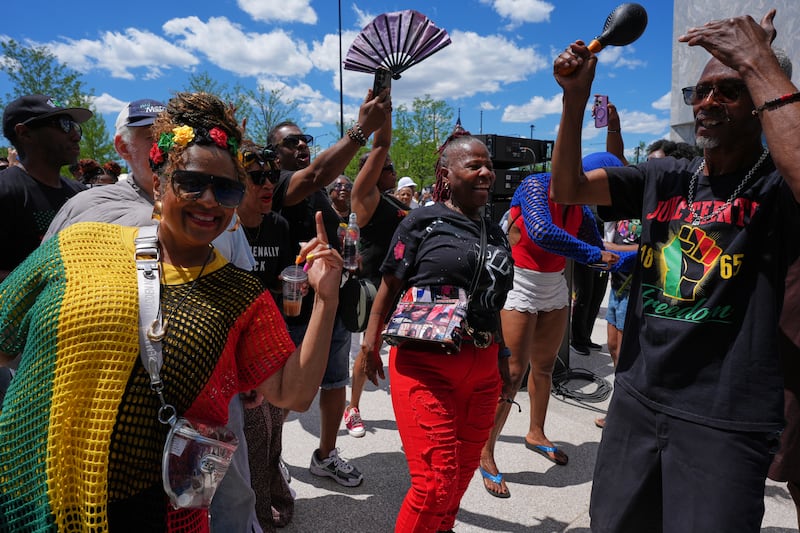
The Presidential Center is a gathering place for people to view the artifacts and exhibits. But it’s more than that. It is also a place where strangers can come together and discover a common bond — a belief in humanity, equality, freedom, America and each other.
The center’s essence is empowering and affirming. There is a wall with three immortal words carved in wood: “Yes We Can.”
Once a victorious campaign slogan, “Yes We Can” also became a motivating mantra, a whisper to the weary and a prayer for anyone facing challenges. When your eyes rest upon those words, it is an innate reaction to close your eyes, breathe deeply, reflect and believe. Standing in front of this wall, seeing these words, hope is revived.
Yes, we can.
The museum represents an epicenter of hope. It is a place where people can reflect on the past and imagine a future where common ground and unity are restored in the fabric of conversations and relationships.
Before entering the museum, visitors are greeted with life-sized statues of Barack and Michelle Obama, which replicate their post-inauguration walk down Pennsylvania Avenue. It’s a main attraction for tourist pictures and selfies.
Outside the museum is the John Lewis Plaza honoring the congressman who was attacked while crossing the Edmund Pettus Bridge in Selma, Alabama, in support of voting rights. Inside the museum is the Elie Wiesel Auditorium and the Hadiya Pendleton Atrium. Wiesel was a Holocaust survivor, justice advocate and world-renowned author. Hadiya was the African American teenager killed one week after performing at festivities celebrating President Obama’s second inauguration.
While the Obama Presidential Center is not a place of worship, there is something spiritual about the edifice and campus. It feels calm, soothing and safe for the soul. It is a place of universal inclusion and belonging. It is like being in the company of a good friend you want to see again and again.
“Bring Change Home,” the Chicago campaign tells us. May the Obama Presidential Center serve to always remind us “Yes We Can.”