

Twenty-five years ago, I was 18 and in college when my friend’s mom told me about a part-time job at a nonprofit that helps youth waiting in foster care. My brother’s adoption had already quietly pointed me toward this work. When I accepted the job, I had no idea I was stepping into a career that would shape the next quarter century of my life.
My understanding of children, youth and families today looks very different from what I understood then. When people talk about adoption, we typically focus on the happy parts. There can be tremendous love and joy, but I learned very early that adoption doesn’t happen without loss. The loss can be experienced by children and youth, biological parents, grandparents, extended family and adoptive parents.
Children and youth don’t enter foster care because they are “bad kids.” They enter because of circumstances and decisions that were beyond their control. Biological parents have stories, too. Some have experienced trauma themselves. Some are struggling with addiction or have never had the support and resources they needed. It can be a legacy of trauma that must be broken.
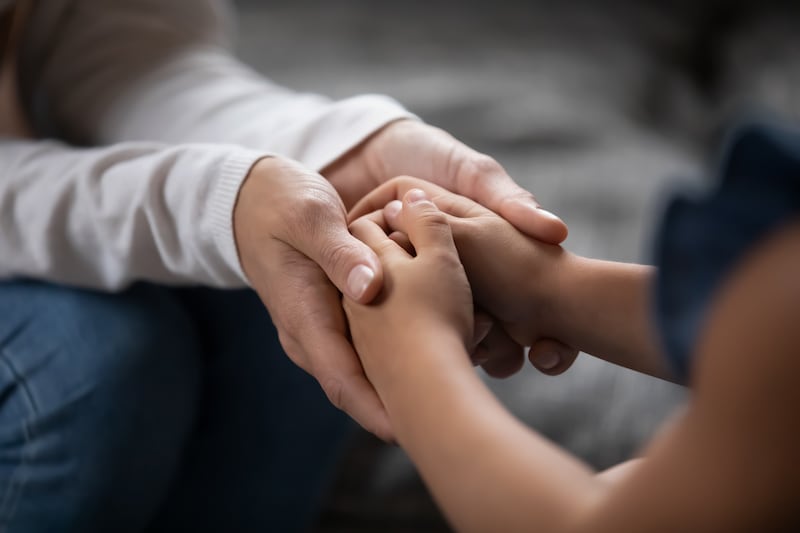
I also learned that finding a home isn’t enough. It’s about restoring relationships whenever we safely can and creating new ones when we can’t. Healing happens in relationships, and that requires time, trust and people who are willing to stay.
When someone keeps showing up and is willing to stay, that bond can change not only one life but the next generation.
For 25 years, I’ve had the opportunity to see the child welfare system up close. I’ve seen what works, where we still fall short, and, most importantly, what can change the trajectory of a young person’s life. Again and again, I come back to the same thing: connection.
I often think about a young man who spent most of his life in and out of foster care. By the time we connected him with a mentor family, he had experienced a lot of loss and learned not to trust people easily. But his mentor family kept showing up. They listened. They kept their promises. They stayed. When he aged out of foster care, he lost touch with them. Years later, when life brought him to a moment that felt too big to navigate alone, he called them. After all those years, he knew who to turn to. Today, they remain an important part of his life.
Connection and trust take time. But when someone keeps showing up and is willing to stay, that bond can change not only one life but the next generation.
This story reminds me why connection changes everything. Sometimes connection is simply showing up through the good times and the hard times. It’s listening, keeping promises and being there long enough for someone to believe you when you say you are staying.
Utah has a strong culture of family and service. I’ve seen people step up when children, youth and families needed them. But supporting children and youth experiencing foster care doesn’t mean everyone needs to become a foster parent or adopt. You can mentor or volunteer. Businesses can create internships and career opportunities. Communities can surround families with support before a difficult situation becomes a crisis.
We need to keep asking harder questions. How can we better support biological families and prevent children from entering foster care when it is safe to do so? How do we stop cycles of trauma from repeating across generations?
I don’t have all the answers. Even after 25 years, I’m still listening and learning. I’ve watched young people grow into adults, build careers and become parents. I’ve seen them create a different future for their own children. I’ve seen what happens when someone chooses to show up and stay.
Imagine a future where children and youth no longer need foster care because families have the support they need before they reach a crisis. We each have a role to play in creating relationships that support and allow our children, youth and families to heal, grow and move forward. Every young person deserves the kind of connection that shows up, stays and reminds them they belong.