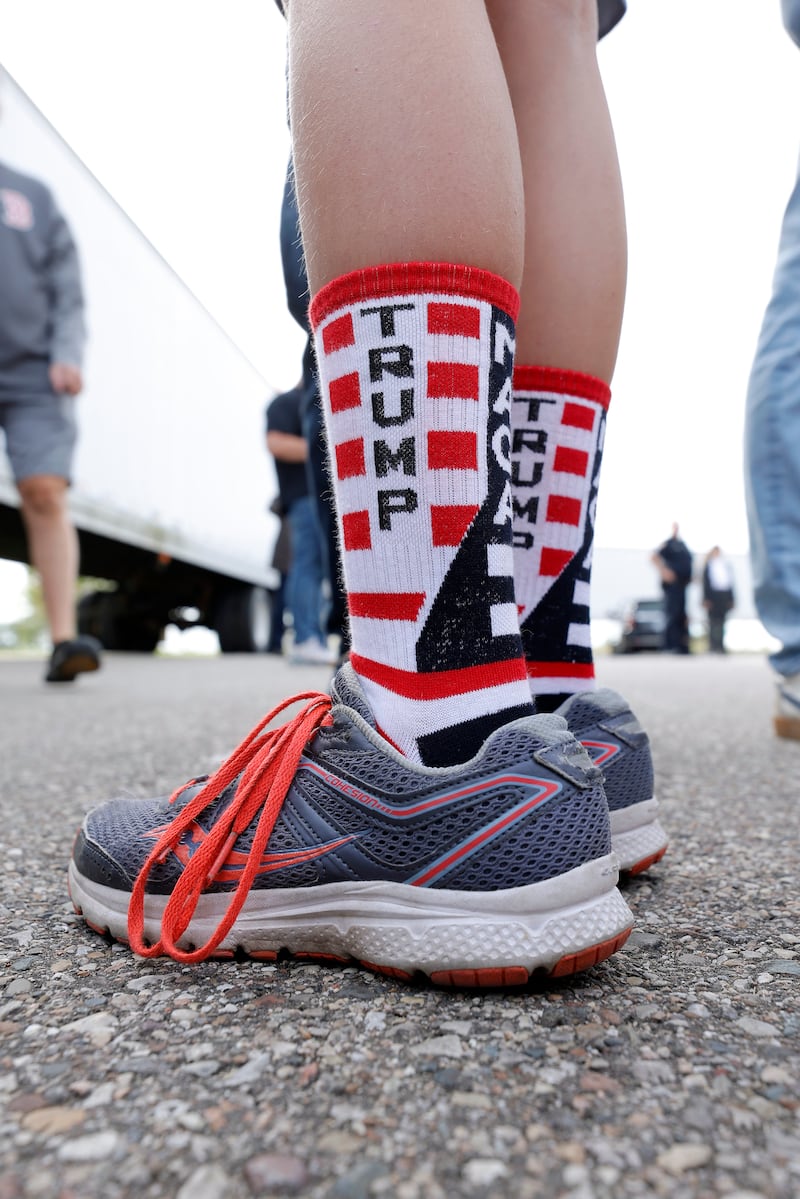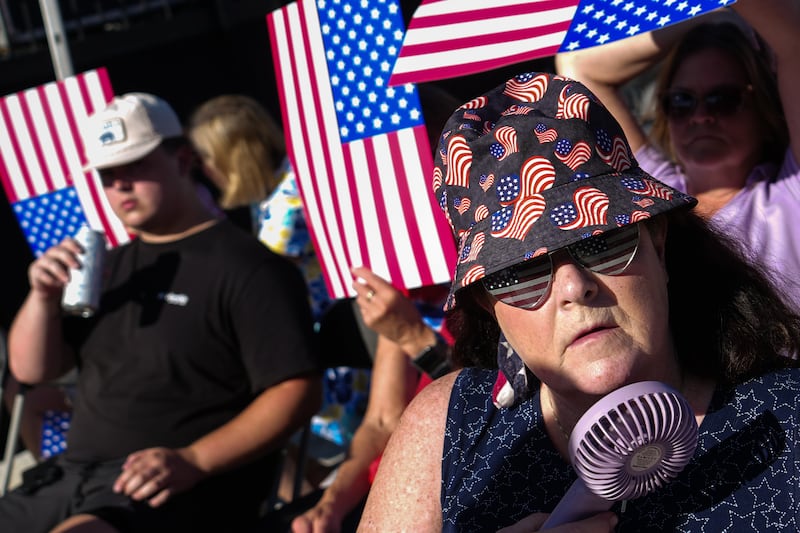

One of the most read articles on the website of Vanity Fair magazine this week was one entitled “Radical Chic: How the MAGA movement is hijacking style.”
The accompanying illustration showed a composite of a man in a navy blue suit with a red tie and an American flag lapel pin, next to a blonde woman with oversized eyes and lips, a pink dress and a cross necklace. A MAGA Barbie, she was not.

What she was, what they were: a cartoonish and demeaning depiction of people who surround and support President Donald Trump. It was a fresh take on Hillary Clinton’s “basket of deplorables” that focused on MAGA’s collective and individual personal appearance.
The writer, Robin Givhan, a Pulitzer Prize winner and former fashion editor for The Washington Post, described watching a group of women enter an ambassador’s residence in Washington, D.C.
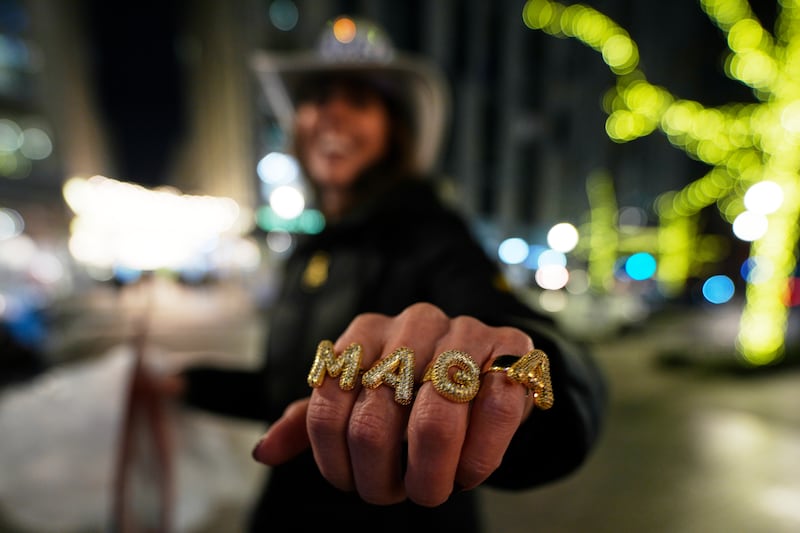
“Dresses dominated. Heels were high. The makeup was matte. Hair was expertly sprayed into place. MAGA was in the air. It was as if its concentrated form of femininity had pushed official Washington backward in time, as if an entire era of fashion never happened, as if decades of progress in the way women are expected to present themselves had evaporated. As if it was 1982, or even 1952.”
It’s notable that she leaves out 1962. Givhan has previously written about the style and fashion sense of Jacqueline Onassis Kennedy, a woman who preferred French designers but was pressured to wear clothes made in America after her husband became president.
Melania Trump’s style has frequently been compared to Kennedy’s over the years, and Vanity Fair does present a slideshow of the first lady in elegant attire, even while deriding “her MAGA highness.”
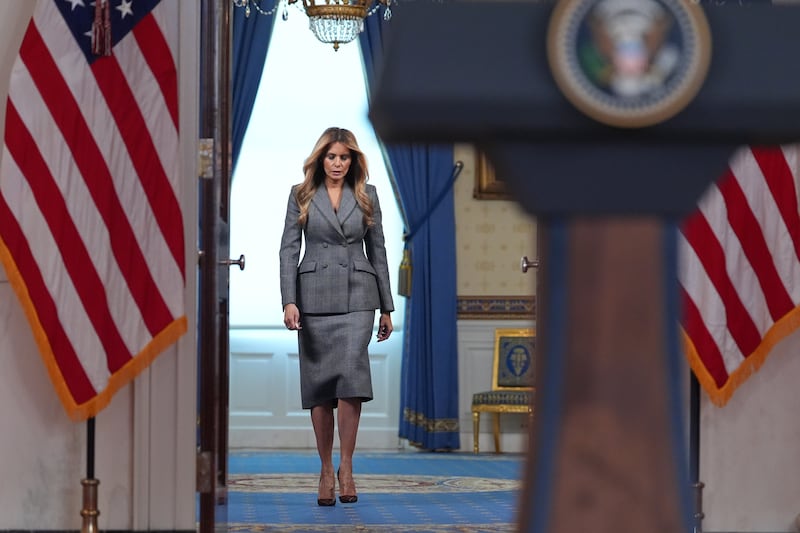
“Her resting face is one of aggrievement. Mrs. Trump is the template for an aesthetic that has grown to be comical and terrifying, flattening and enraging, old-fashioned and foreboding.”
She goes on: “A good-looking first lady is a great first lady. In the MAGA-verse, style is substance. It’s competence.”
To Givhan’s point, the president does appreciate the looks-centric standards of “central casting,” and he has described Supreme Court Justice Brett Kavanaugh, former Utah Sen. Mitt Romney and even his former Vice President Mike Pence as “straight out of central casting.”
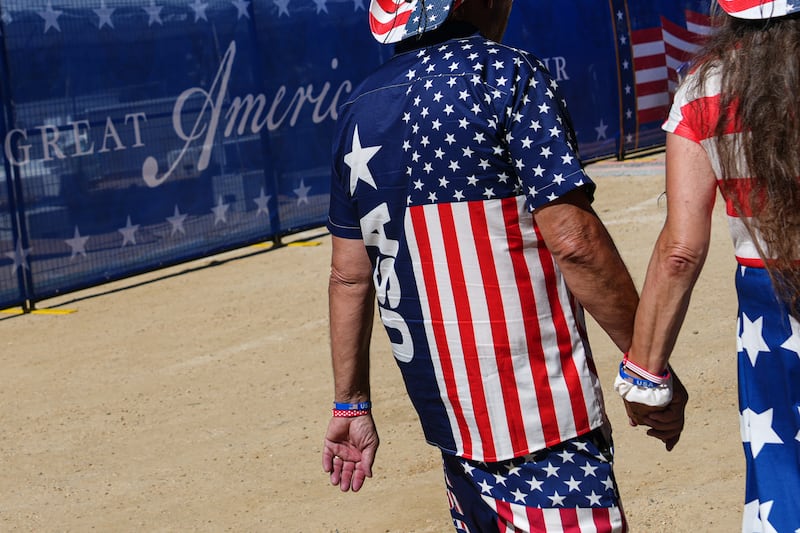
Looks matter in this administration, in a way that they haven’t in previous ones. And the looks in question aren’t always a good look, at least to people who prefer a more natural, less injectable kind of beauty.
Numerous left-leaning publications have weighed in derisively about what they call “Mar-a-Lago face,” described as “exaggerated feminity.” They’ve sniffed at the proliferation of cross necklaces among women who work at the White House or appear on Fox News. And they’ve done this while trying to reconcile the cherished ideal of “body positivity” with the emaciated bodies of celebrities who appear to be macrodosing GLP-1s.
Vanity Fair has done more than its share of this. A year ago, the magazine was criticized for high-definition, close-up photographs it published of Trump aides, including Susie Wiles and Karoline Leavitt. The photographer defended the unflattering depictions, saying, “Celebrity photos are celebrity photos. Politicians are not celebrities. Let’s not mix things up.”
But it’s hard to imagine such treatment being given to, say Hillary Clinton, Michelle Obama or Alexandria Ocasio-Cortez. Believe all women, we’re told. But ridicule only some of them.
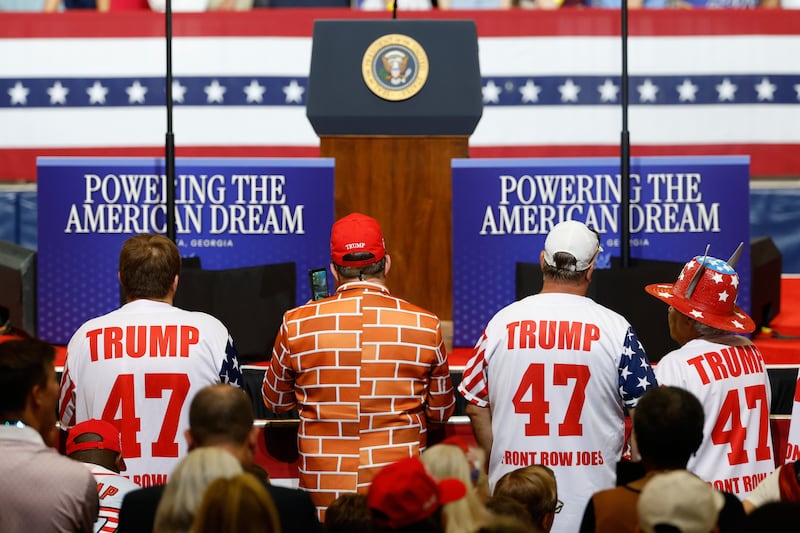
This is not to say that the mockery of appearance doesn’t happen on the political right. There are plenty of conservatives on social media who sneer at Hillary Clinton’s wardrobe choices, and deride the physical appearance of women at No Kings rallies or ranting in their cars on TikTok.
On X, conservative podcaster Tomi Lahren noted the political cost of the merciless mockery. “If we totally alienate young women we will not win elections. We have to find a way to appeal to them,” Lahren said.
Unsaid but equally true: Mock a young woman online, and you’re likely alienating her mother, too.
The targets of political derision will always remember, and will not cross over at the ballot box. Their ideological stance will likely calcify.
As will the stance of the MAGA women of whom Vanity Fair said have faces “plumped and frozen into a lineless matte mask of misogynistic complicity.”
“Instead of using fashion to make folks feel more beautiful, more seen, or more empowered, MAGA is making us all meaner. Less enlightened. And a whole lot uglier,” Givhan wrote for Vanity Fair, seemingly without awareness that the meanness of which she speaks was implicit in her own words.
There’s a moral in all of this somewhere, which may be nothing more than if you support Donald Trump, don’t read Vanity Fair. But it also could be that the party that prevails in the next few election cycles will be the one that derides the other the least.