

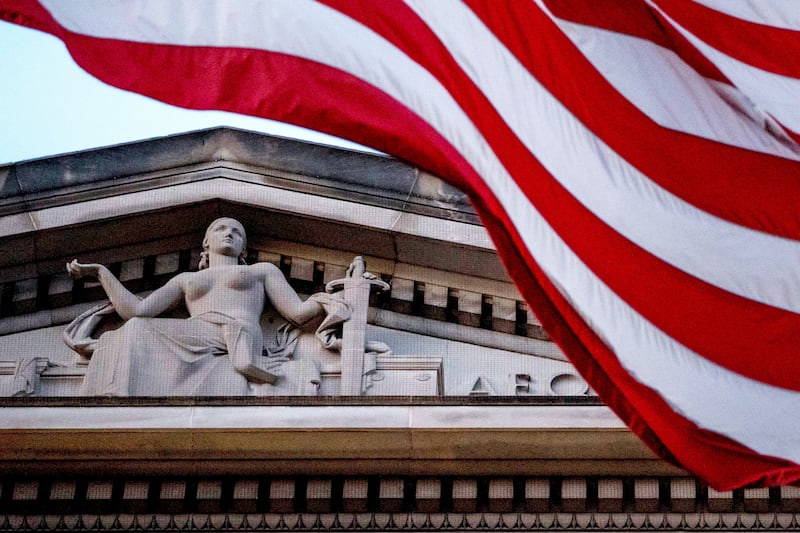

A federal judge has temporarily blocked the Trump administration from creating the newly announced “anti-weaponization fund” that would allow individuals to be compensated if they believe they have been unfairly targeted by the federal government.
U.S. District Judge Leonie Brinkema ruled Friday that the Justice Department must pause any claims being made through the $1.776 billion settlement funds while there are ongoing legal challenges to the fund’s creation. The judge scheduled a hearing for June 12 on whether to extend the pause or allow payments to go through.
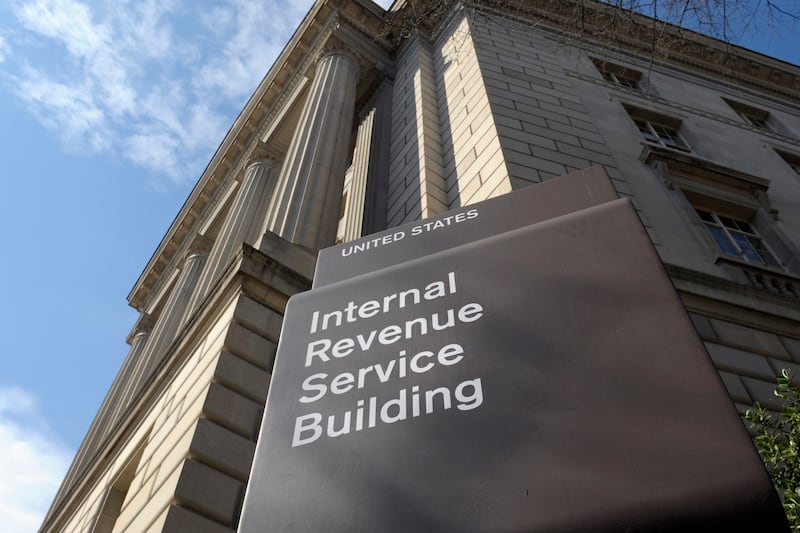
The DOJ announced the fund earlier this month as part of a settlement for President Donald Trump to drop his $10 billion lawsuit against the Internal Revenue Service related to the leak of his tax returns in 2019.
Democrats and Republicans question weaponization fund
The fund has received swift backlash from both Democrats and Republicans as the fund appears to have no limits on who would qualify for a payment — including those who were charged in relation to the Jan. 6, 2021, attack on the U.S. Capitol.
Several Republican lawmakers raised their eyebrows at the fund, with others flat-out rejecting its creation. Confusion over the settlement quickly bled into other tense negotiations on Capitol Hill, prompting GOP leaders to delay consideration of their multibillion-dollar immigration funding bill.
That funding package now appears to be in peril as some Republican senators refuse to move forward unless there are some guardrails in place for the anti-weaponization fund or more information is available.
“An executive branch being able to, at their will, send money to people without the proper judicial rule,” Utah Sen. John Curtis, R-Utah, said last week ahead of a closed-door meeting with acting Attorney General Todd Blanche. “Those are my concerns.”
It’s not yet clear how Republicans will move forward with the immigration bill, which has become a major focus for the party ahead of the midterm elections. Republicans are poised to fly past the June 1 deadline given by Trump earlier this year, especially as there are still disagreements over proposed funding related to White House ballroom security adjustments.
Congress will reconvene next week to continue negotiations.