


This article was first published in the On the Hill newsletter. Sign up to receive the newsletter in your inbox on Friday mornings here.
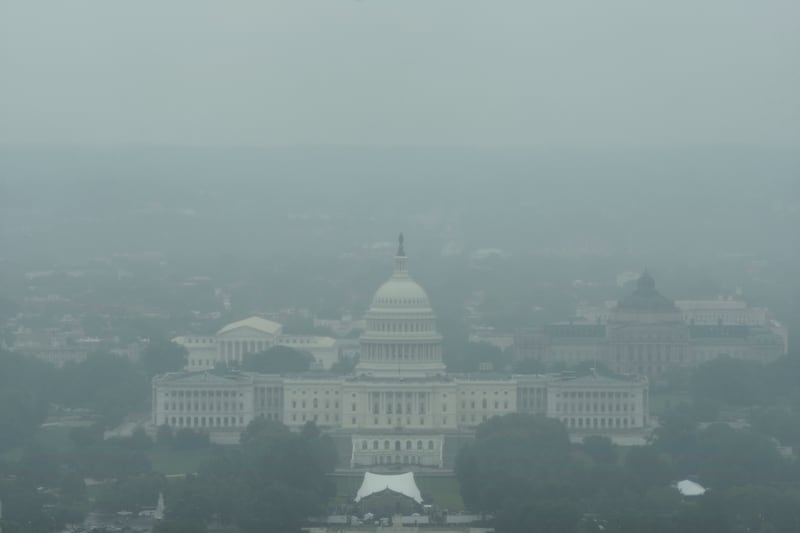
It’s officially crunch time within the halls of Congress.
The midterm election season is fully upon us, and we are soon going to see lawmakers on Capitol Hill shift their focuses back home as they seek reelection. But before they can do that, they have a lot to accomplish back here in Washington, D.C.
And time is not their friend.
As mentioned earlier, both chambers of Congress will only be in session — meaning actively here to negotiate, debate and vote — for little more than a collective two months.
So expect them to hit the ground running when they get back next week. What exactly is on their docket?
Immigration bill. If you remember last week, the major focus was supposed to be Republicans’ immigration funding bill to give federal enforcement agencies roughly $71 billion through the rest of President Donald Trump’s term. But that fell apart pretty quickly near the middle of the week, forcing Republicans to leave town without any final bill.
As such, they are poised to blow past Trump’s original deadline of June 1 to get the immigration package to his desk.
But the same issues that snarled progress last week are still unsettled: a budget line for White House ballroom safety adjustments and a separate fund announced by the Justice Department last week to compensate individuals who felt they were unfairly targeted by the Biden DOJ.
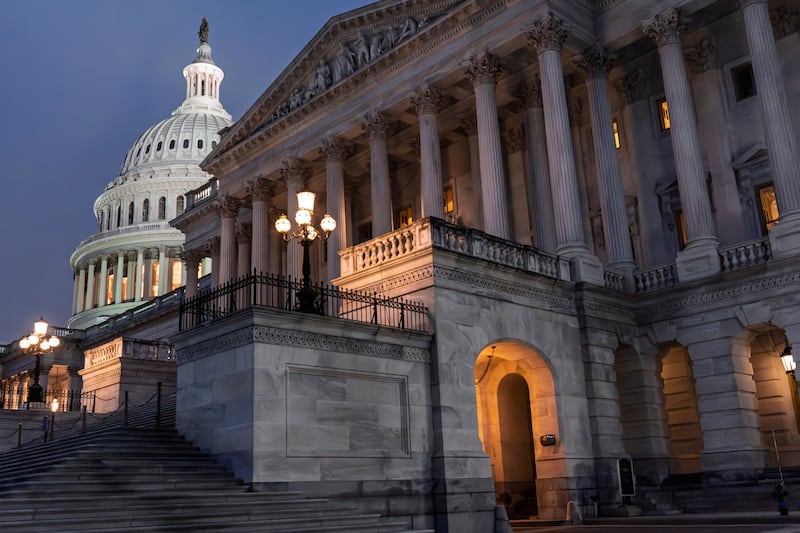
Those issues are still major problems for GOP leaders. And without fixing them, they won’t even be able to get enough members of their own party to vote for the immigration bill.
(Reminder: They are using a special procedure known as reconciliation to get through the Senate without needing Democrats — but even that is unlikely right now.)
Government surveillance powers. If you’ll recall at the end of April, the big fight at the time was reauthorizing key government surveillance powers before those expired. Lawmakers couldn’t come to an agreement then, so they punted the deadline until June 12.
This deadline holds more weight than Trump’s immigration bill date. That’s because for this deadline, the surveillance program will actually go dark — whereas Trump’s June 1 target date was just simply a pressure point.
The debate on FISA has plagued Congress for years because the competing views pose a rare fight that is not beholden to party lines. In fact, it has united conservative Republicans with progressive Democrats in a way that has made it hard for top congressional leaders to get anyone on the same page.
The main disagreement is over the sweeping authority Section 702 gives intelligence officials when it comes to collecting communications without needing a warrant. While the section only allows the targeting of non-U.S. citizens abroad, it can sometimes sweep up communications from Americans living inside the country.
As a result, some lawmakers have pushed for reforms and language that would require warrants before the FBI can search 702 databases for U.S. citizens’ data, but intelligence officials warn those requirements could slow investigations.
I caught up with Rep. Mike Kennedy earlier this month to ask him his perspective after he was the only Utah House member to vote against the clean extension in April. He told me that lawmakers need to demand stronger reforms — and that includes warrants.

“While progress has been made, the American people still deserve a better system, one that restores trust, defends privacy, and upholds the Constitution,” Kennedy said. “To restore trust, FISA needs real reforms, including putting an end to warrantless searches of Americans’ communications and ensuring there are enhanced penalties and accountability if the system is ever misused.”
Government spending. Meanwhile, lawmakers still need to finish the budget for the 2027 fiscal year. That deadline seems like forever away (Sept. 30), but it always — and I mean always — creeps up on Congress.
Without getting all 12 appropriations bills done, we risk another government shutdown or some sort of temporary extension. But even an extension could be hard to manage.
Appropriators, if they are late for the deadline, will need to extend the deadline to continue talks — but lawmakers are scheduled to be out of town for all of October and parts of November for midterm campaigning. So they’ll want to get a jump on this.
Other priorities. There are a number of other bills and proposals lawmakers are racing to finalize before it’s too late, especially as they’re worried if they don’t them get done before the midterms, they may not get done at all.
Those include the bipartisan housing package, which has stalled between the two chambers; cryptocurrency; college sports regulations; and more.
Stories Driving the Week
- Let’s debate: In their only debate before the primary, Utah’s four Democratic 1st District candidates agreed on issues like housing, immigration reform and protecting the Great Salt Lake, but split sharply on the national debt and working with Republicans.
- Teaming up? Nate Blouin says he will drop out of the race for Utah’s newly redrawn 1st Congressional District if he is not the leading progressive challenger against former Rep. Ben McAdams — but he urged the other progressive candidates to do the same if he is the top opponent. The others were not so convinced.
- Roll call: After reviewing the citizenship status of more than 2 million registered voters, Utah Lt. Gov. Deidre Henderson’s office found that while the vast majority were confirmed citizens, 27 were confirmed noncitizens and another 25 were flagged as likely noncitizens.
Trump isn’t worried about the midterms, he says
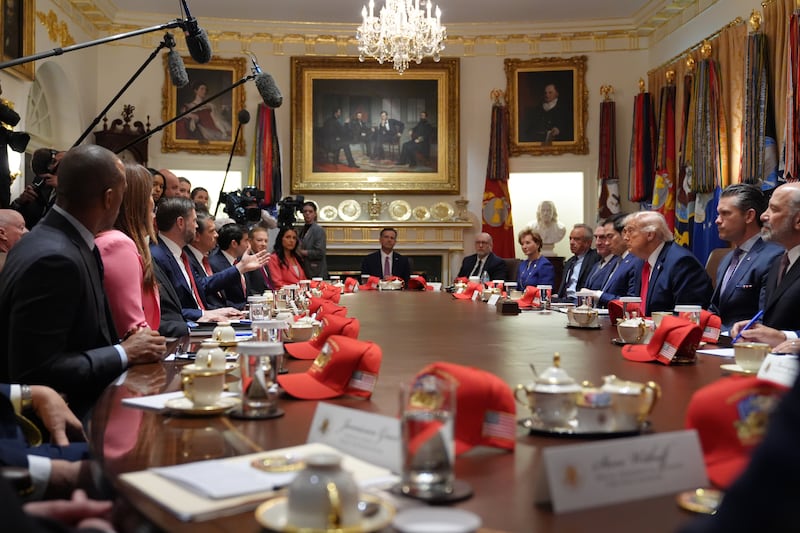
In a somewhat shocking admission from President Donald Trump this week, he told reporters during a Cabinet meeting that he is not worried about the midterm elections and that it has no effect on his decision-making in Iran.
“I don’t care about the midterms,” Trump said when asked about how operations in Iran could negatively affect Republicans’ chances in November.
“They thought they were going to outwait me, you know, ‘We’ll outwait him, he’s got the midterms,’” Trump also said, referring to what he believes Iran’s strategy is.
Instead, Trump seems to think the midterm elections will be just fine — pointing to his wins so far, such as ousting Sens. Bill Cassidy, R-La., and John Cornyn, R-Texas, as well as Rep. Thomas Massie, R-Ky., in their primary fights.
Of course, the fight in November is far from over — and Republicans know that. Control of the House remains a toss-up, and Democrats see some real opportunities to flip a few Senate seats in their favor.
Plus, approval ratings for Trump remain low. Only 39% of Americans say they approve of his job performance in May, down from 40% in April, according to the latest Emerson College poll released on Thursday.
Why could that be such a big issue? Midterm elections typically act as a referendum on whichever president is currently in office — meaning Trump’s performance is going to affect Republicans’ chances elsewhere.
Quick Hits
From the Hill: Utah soldiers pulled off Korean War ‘miracle’ — 75 years later, they are remembered. … MAGA allies and establishment Republicans collide in Texas primaries. … Bipartisan senators want to restrict travel out of D.C. during government shutdowns.
From the White House: Funds collected by national park entrance fees used in D.C. renovations. … Secretary Marco Rubio navigates U.S.-India tensions in New Delhi. … ‘These are not victimless crimes’: Vance spotlights elderly man’s death in fraud crackdown.
From the courts: Religious liberty group accuses St. Louis schools of religious discrimination over vaccine exemptions. … Former President Joe Biden files lawsuit to block release of private interview tapes. … How Utah’s governor is poised to remake the state’s Supreme Court.