



The fight between the U.S. and China over critical minerals continues as two Republican U.S. senators — Utah Sen. John Curtis and Montana Sen. Steve Daines — introduced the Critical Mineral and Extraction Tax Parity Act last week.
“Critical minerals” show up everywhere in modern society — from lithium batteries in smartphones to phosphate in fertilizer critical for food production. There is no corner of the economy that doesn’t depend on at least a subset from the list of critical minerals.
However, China controls roughly 40%-90% of the world’s processing capacity for these minerals, the Center for Strategic and International Studies reported. Some U.S. senators want the country to be more self-sufficient in mining such resources, which is the reason behind Curtis’ new bill.

The legislation would strengthen and expand the already-standing Advanced Manufacturing Production Tax Credit, which pays U.S. manufacturers for making clean-energy-related products domestically, such as solar panels and wind turbines.
The new bill would expand the critical mineral list, adding boron, copper, lead, silver, phosphate and more, and clarify that the extraction of ore — not just processing or refining ore — qualifies for the tax credit when done on U.S. soil.
The bill also removes a penalty on metallurgical coal used to make steel. Currently, the credit is capped at 2.5%, far below what other minerals receive. The change allows coal miners and producers to receive the same tax credits as other minerals.
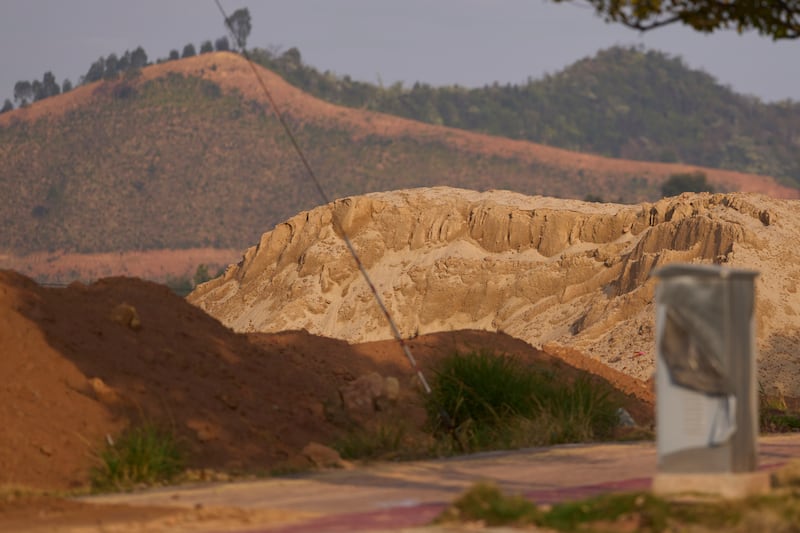
Each subtle, technical correction contributes to the ongoing promotion of American manufacturing.
“The United States should not have to depend on foreign adversaries for the minerals that power our economy, support our national defense, and underpin modern technology,” said Curtis in a press release. “Utah and states across the West have the resources, workers, and expertise to produce more of these materials here at home.
“Our bill makes sure the tax code recognizes the full cost of American mineral production and gives domestic producers a fair opportunity to compete with heavily subsidized, artificially propped-up foreign supply chains,” he continued.
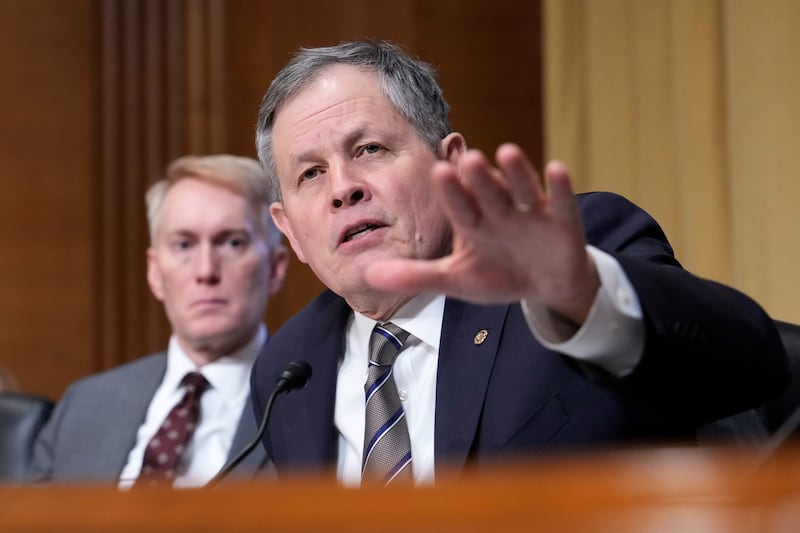
Daines added it’s time to “unleash America’s natural resources” to power the economy and strengthen national security.
Several domestic agribusinesses and mining organizations voiced their support for the bill.
Garrett Lofto, president and CEO of the Simplot Company, said adding phosphate to the list of eligible minerals “will greatly help domestic phosphate producers like the Simplot Company and will incentivize future investment in phosphate mining and processing.”
Additionally, Mike Squires, Utah Associated Municipal Power Systems managing director of government affairs said in order to meet the nation’s surging demand for energy, infrastructure and equipment, legislation such as Curtis’ bill is necessary to “increase critical mining and processing capacity in the United States.”
The bill has not had a hearing or vote yet. It is currently sitting in the House Ways and Means Committee awaiting a markup and vote.