

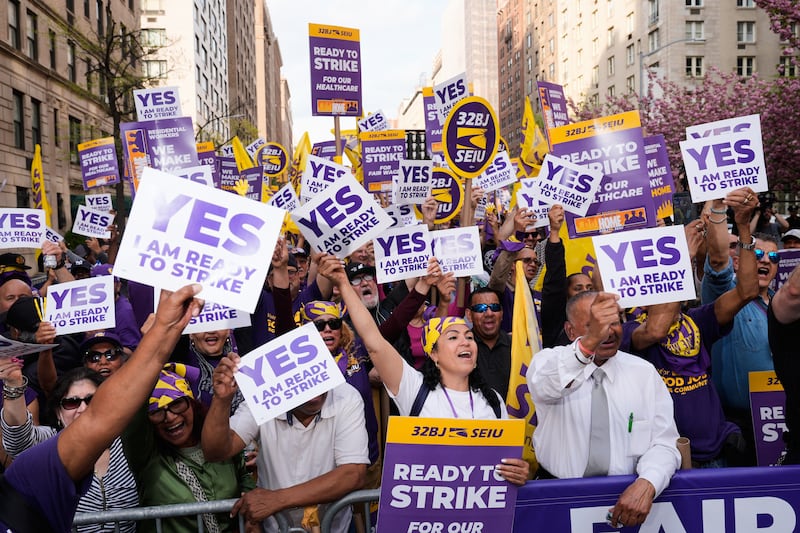

Unions are now organizing “new workplaces” — including graduate students, homecare workers, foster parents, and prisoners — thanks to the help of changes in state law in some places, according to a new study from a conservative think thank.
The Commonwealth Foundation recently published “The Battle for Worker Freedom: Grading State Public Sector Labor Laws,” a report grading each state on how they encourage “worker freedom,” or the freedom to choose whether or not to belong to a union.
This list is the fifth edition that has been published ranking states by whether they cater to union leaders or workers, said David R. Osborne, senior director of labor policy and author of the newly released report.
The Commonwealth Foundation is a conservative think tank based in Pennsylvania. They work to “advance practical solutions that expand opportunity, protect individual liberty, and strengthen the foundations of a free society.”
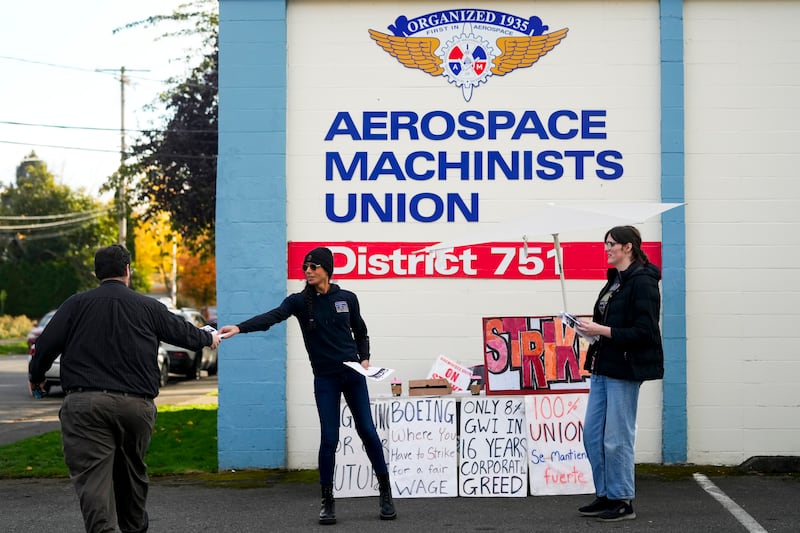
Union leaders respond
Those who support an increase in union organizing say adding new types of workers to union rolls is a good thing.
Karla Walter, senior fellow for the American Worker Project at Center for American Progress, said unions help to support public workers and “there is a huge gain for the public sector workforce in terms of earnings.”
The Center for American Progress is a progressive think tank that is “dedicated to improving the lives of all Americans through bold, progressive ideas, as well as strong leadership and concerted action,” according to their website.
She told the Deseret News that public-sector workers earn about 19% less than private-sector workers, regardless of age or education, in states without collective bargaining protections. In states with strong bargaining laws, that gap shrinks to about 9%.
The gap reduces somewhat when cost of living is taken into account.
Osborne said labor unions take a cut of a worker’s income, usually taking “about 2% or 4% of their paycheck” and “they get richer and can do some politicking with that money.”
Unions expand into nontraditional workplaces
In the Janus v. AFSCME Supreme Court case, justices were faced with the question of whether public-sector unions can charge agency fees to nonmembers who might benefit from the union’s collective bargaining but disagree with their political activities.
In 2018, the Supreme Court ruled that requiring nonmembers to pay was in violation of the First Amendment. This led to a drop in union revenues.
However, by 2024, the four largest public unions had increased membership by 3.5%, including the American Federation of Teachers, National Education Association, Service Employees International Union and AFSCME.
“A number of years ago, unions figured out that in some state legislatures, they don’t have to follow the traditional model,” Osborne said in an interview with the Deseret News.
Unions across the country have explored adding graduate students, homecare workers, foster parents and prisoners to their list of public workers.
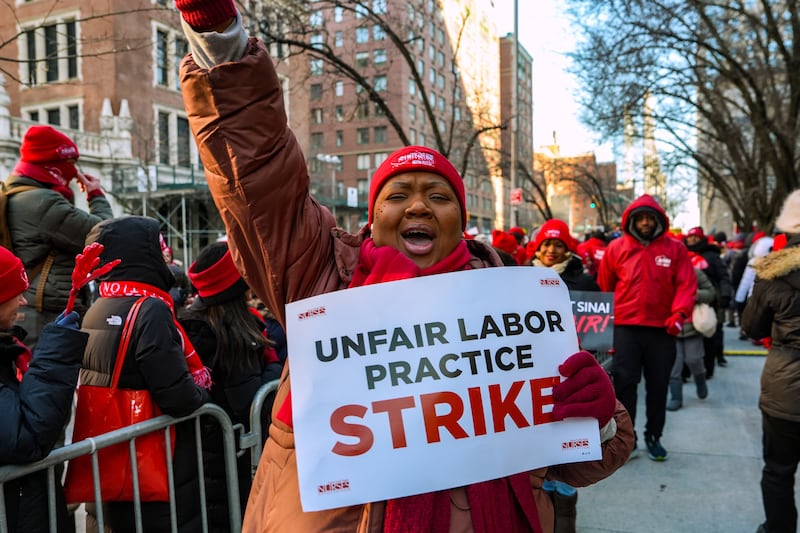
Walter said, “The places where we see the most new organizing are places like homecare workers” and graduate students. “I think that that is really encouraging because those are oftentimes students that are really struggling to get by and rely on those income supports.”
Osborne explained states’ pursuits to unionize prisoners. He said attempts were made in Minnesota and Vermont — both failed, but he noted that unions “usually run these several times before they’re successful.”
He also expressed concern over unionizing foster parents and homecare workers. Often homecare workers are family members, so “their employer is the person that they take care of. And it would be really odd to be unionized against your parents.”
The foster care parent bill is still pending in Massachusetts, but it’s already passed a committee.