

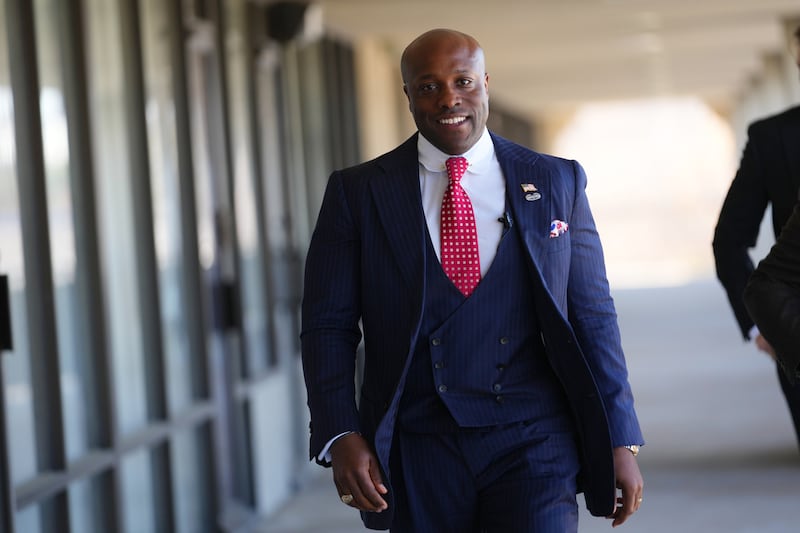

Lawmakers who are either retiring or are running for another office have missed hundreds of combined votes over the last two years, even as the voting calendar has shrunk in some cases to provide fewer voting opportunities.
House members who are leaving the lower chamber after this year have missed a combined total of 2,807 absences so far this year for an average of 40 missed votes per retiring lawmaker, according to voting data collected by C-SPAN. Retiring senators have missed a combined total of 555 absences for an average of 43 missed votes per retiring senator.
The missed votes come even after the House has canceled more than 60 voting days on the schedule since the 119th Congress has begun.
Missed votes are not a new phenomenon, nor is it particularly scandalous. Lawmakers can miss votes due to scheduling conflicts, family emergencies, illness, travel woes, or something else.
But the absences come as Republican leaders in both chambers have slim margins to work with — making every vote count.
Here is an analysis by the Deseret News of the top five absent lawmakers in each category: House Republicans, House Democrats, Senate Republicans, and Senate Democrats.
House Republicans
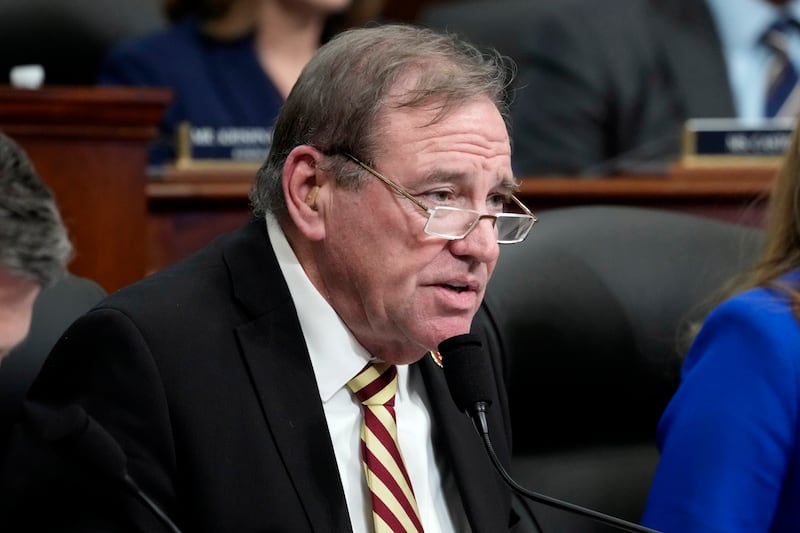
House Republicans had the highest tally for total combined missed votes, due in part to a higher number of retiring members and those campaigning for another office.
Rep. Wesley Hunt, R-Texas, missed the most votes of his House Republican colleagues as he was marked absent for 160 votes, according to data collected by C-SPAN. Nearly half of those missed votes took place while Hunt was running for the Republican Senate nomination in Texas, a race he lost to state Attorney General Ken Paxton.
Rep. Neal Dunn missed the second-most votes at 124. The Florida Republican faced health concerns earlier this year contributing to his absence.
Rep. Nancy Mace, who ran unsuccessfully for the Senate in South Carolina, missed 120 votes; Rep. Elise Stefanik, who ran for governor in New York before ultimately dropping that bid; missed 110; and Rep. Michael McCaul, who announced his retirement in September 2025, missed 97.
Mace told the Deseret News she missed many of the votes because of her Senate campaign but also because she has spent time “serving as my father’s caretaker in his final months and grieving his loss in his passing.”
“Even so, I’ve introduced over 100 bills this Congress, more than any single member of the South Carolina delegation, ranking me among one the most legislatively productive members of the entire House,” Mace said in a statement. “The people of South Carolina hired me to work, and this is exactly what I have been doing.”
Retiring House Republicans overall had a total of 1,824 absences, coming out to an average of 44 votes per member.
House Democrats
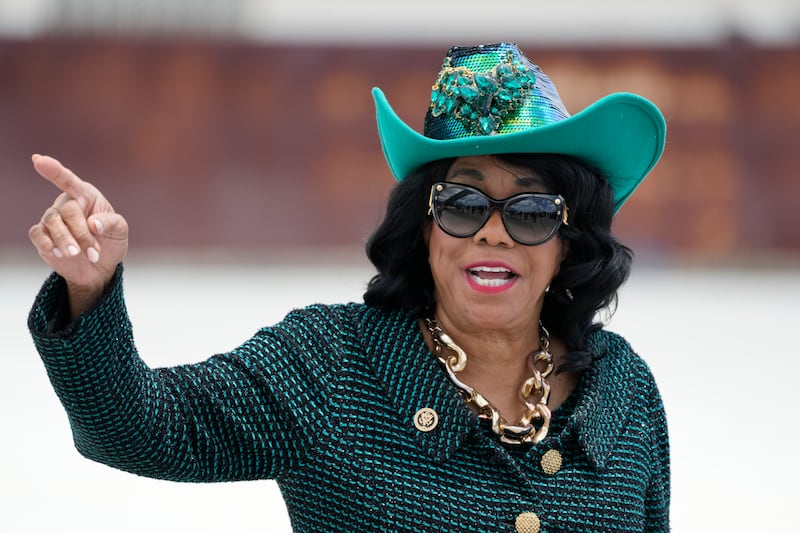
House Democrats had fewer missed votes, although the minority party has a lower number of lawmakers leaving the lower chamber after this year. Thirty House Democrats are retiring or running for another office compared to 41 House Republicans.
Still, Democrats’ had an average of 33 votes missed per retiring member, coming in much lower than Republicans, for a combined total of 1,002 absences.
Rep. Frederica Wilson missed the most votes with a tally of 194 — the most of any category. Wilson was gone from the House for several weeks as she recovered from eye surgery, after which her doctors instructed her not to fly to Washington.
Reps. Seth Moulton of Massachusetts and Dan Goldman of New York ranked as the second- and third-most missed votes. Moulton unsuccessfully ran in the Democratic primary against his home state incumbent while Goldman lost his primary to a progressive challenger.
No other retiring Democrat missed more than 80 votes. Rep. Chris Pappas, who is running for Senate in New Hampshire, has not missed a single vote during his campaign — making him the only retiring lawmaker this Congress to do so.
Senate Republicans
Senate Republicans have the highest average for retiring lawmakers who missed a vote, although that number is inflated by the prolonged health-related absence by Sen. Mitch McConnell.
The nine retiring GOP senators have a combined total of 434 absences over the last two years, according to data from CSPAN. That’s an average of 48 votes per senator.
However, that statistic is skewed when accounting for McConnell, who has missed 136 votes. The average is also inflated due to the lower number of senators who are leaving office.
McConnell missed three months of votes in the Senate after recovering from a fall in his Washington home earlier this summer followed by a pneumonia diagnosis. The 84-year-old senator made his return in September.
Sen. Thom Tillis, R-N.C., missed the second-most votes of Senate Republicans with a tally of 108. Tillis was among the first to announce he wouldn’t run for reelection following a series of public clashes with President Donald Trump.
Sen. Tommy Tuberville missed the third-most votes with 58 as he runs for governor in his home state of Alabama. No other senator missed more than 50 votes over the last two years.
Senate Democrats
Senate Democrats had the fewest number of missed votes due to the party have the lowest number of retiring members: four.
Senate Democrats have a combined total of 121 absences over the last two years for an average of 30 votes per senator. Sen. Tina Smith, D-Minn., missed the most votes of Senate Democrats with just 41 votes.
No other senator reached the 40-vote threshold: Sen. Jeanne Shaheen of New Hampshire missed 37; Sen. Dick Durbin of Illinois missed 24; and Gary Peters of Michigan missed just 19.