

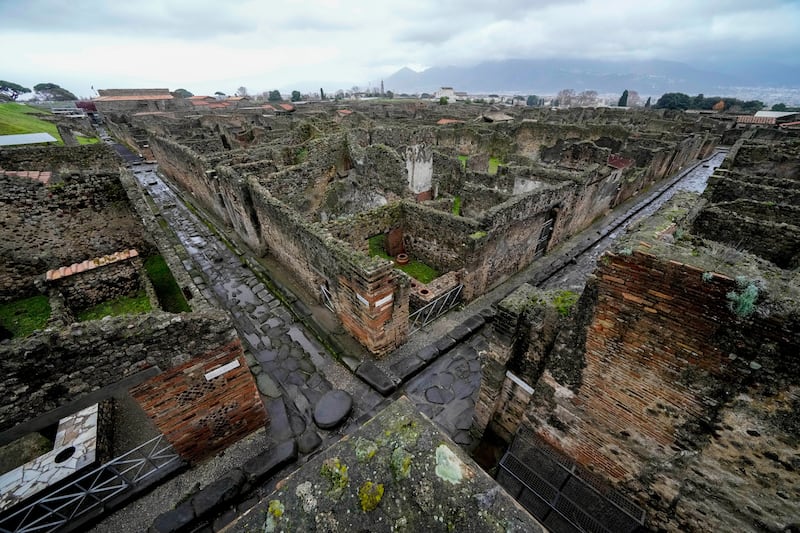

Archaeologists at the ancient Pompeii site used artificial intelligence to digitally reconstruct a victim’s face from the A.D. 79 Mount Vesuvius eruption, reported The Associated Press.
In addition to AI, photo-editing techniques were used to translate skeletal data into a realistic human form.
The Pompeii Archaeological Park developed the digital portrait in partnership with the University of Padua. The image was posted on the park’s Facebook page.
The portrait shows a man attempting to flee the city toward the coast. Researchers found the man holding a mortar, believing he was attempting to shield himself from falling volcanic rock.
This aligns with ancient accounts detailing citizens of Pompeii using various objects to protect themselves during the eruption.
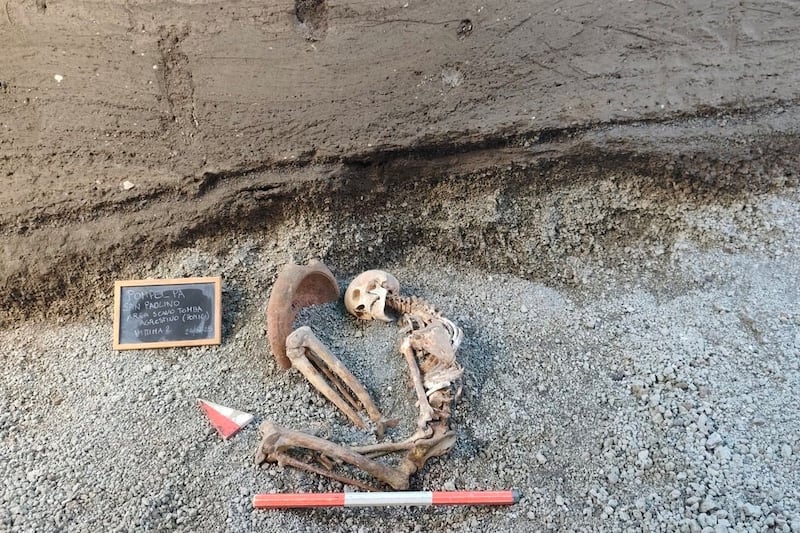
Archaeologists also found the man carrying an oil lamp, an iron ring, and 10 bronze coins.
What is Pompeii and how to visit?
Ironically, the very ash and pumice that buried Pompeii, which is a UNESCO World Heritage site near Naples, also preserved it, along with the remains of thousands of its inhabitants.
It’s now one of the most popular tourist sites in Italy.
In fact, in 2025, it was the most visited UNESCO site in the country, with over 4 million visitors.
An Italian tourism website recommends buying tickets in advance and visiting on a weekday or during the off-season.
The archaeological site is accessible by train, but requires a lot of walking once you get there.