


The United States owes the United Nations roughly $4 billion in unpaid dues, according to The New York Times, and the withheld payments have put the agency on the brink of financial disaster.
António Guterres, the U.N. secretary-general, sent a letter to all U.N. member states saying that the organization faced “imminent financial collapse.”
China has also continuously delayed payments, exacerbating the U.N.’s financial woes.
If countries do not pay their dues, U.N. officials have said, the agency could resort to shutting down its headquarters in New York.
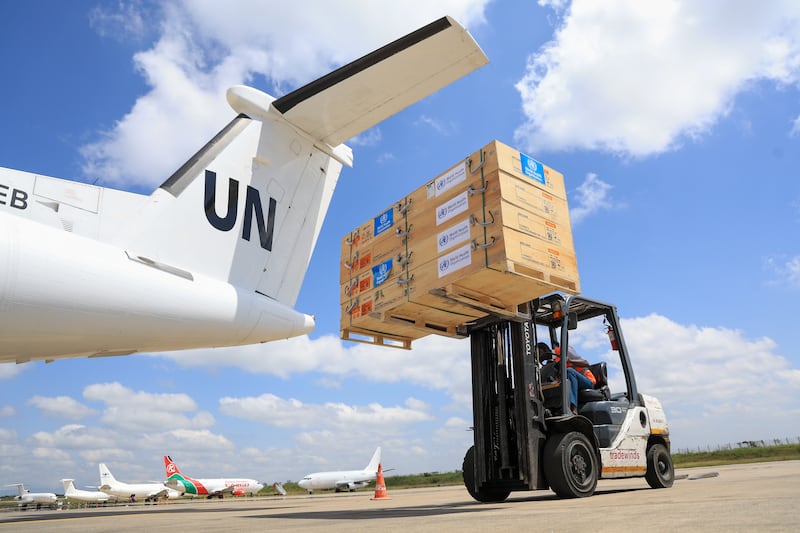
Humanitarian efforts supported by the U.N., such as World Food Programme, UNICEF, and the U.N. refugee agency would also be drastically impacted.
According to Politico, Trump has said that he was unaware that the U.S. was behind on payments, but was certain he could solve the problem very quickly by having other nations pay.
What’s driving the U.N.’s financial crisis?
In 2025, the U.S. did not pay its annual dues and has not completed other payments during 2026.
Although China has been paying its dues, China has been delaying mandatory payments until late in the year to apply financial leverage. The Wall Street Journal reports that the delayed payments have continually contributed to liquidity crises at the agency.
In a similar letter in 2024, Guterres expressed his concern for a “liquidity crisis” and its ability to “deliver on mandates.”
The crisis and ones similar to it have been brought on by unpaid dues and a rigid budget rule that requires the U.N.’s unspent funds to be returned to member countries.
“We simply must find a lasting solution for recurring liquidity problems,” Guterres concluded his 2024 letter. “More is needed to prevent the cyclical liquidity shortages.”
If no payments are made, the financial crisis could paralyze U.N. programs by the end of the summer, reports The New York Times.
Consequences of the U.N. going bankrupt
Unlike a corporation, if the U.N. were to go bankrupt, it would be unable to declare bankruptcy.
The agency functions under sovereign immunity and the consequences of running out of funds would largely result in unpaid missions and employees until funds are restored.
Rather than putting the organization in danger of total collapse and dissolution, the agency and its operations would be paralyzed.
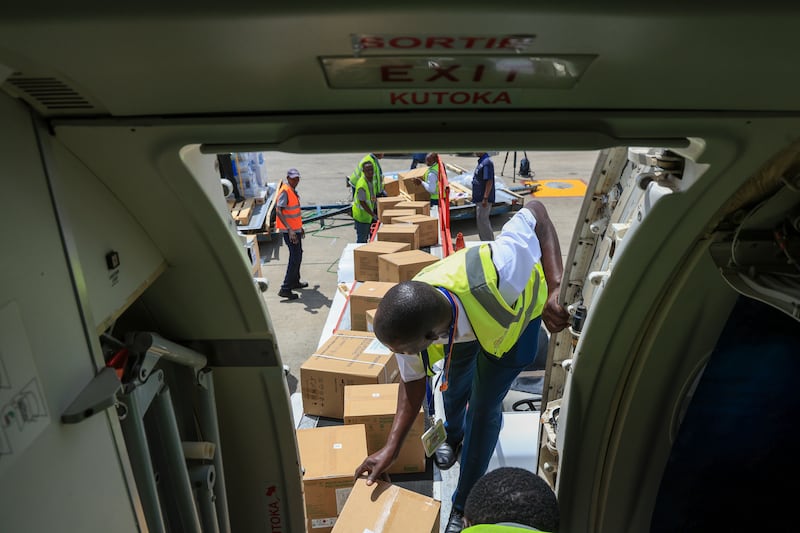
The U.N. operates and funds several humanitarian groups that combat international problems like hunger, poverty, and war. These operations could be halted or completely abandoned in the case of bankruptcy.
Why the U.S. stopped making payments
Since taking office, Trump and his administration have repeatedly criticized the U.N.
“What is the purpose of the U.N.” Secretary of State Marco Rubio asked White House reporters on May 5. “The U.N. is supposed to be a place where you can peaceably resolve global conflict.”
Rubio lamented that the U.N. has not taken action to condemn Iran’s takeover of the Strait of Hormuz.
“Right now you have a country,” continued Rubio, “who unlawfully, criminally and illegally taking possession of an international waterway.”
Trump has made similar criticisms of the U.N. In September, the president spoke at the United Nations General Assembly and criticized the agency.
“Not only is the U.N. not solving the problems it should,” Trump told the U.N. General Assembly, “too often it’s actually creating new problems for us to solve.”
Trump pointed to immigration as an example of the U.N.’s failures. Trump claimed the U.N. is “funding an assault on Western countries and their borders.”
“The U.N. is supporting people that are illegally coming into the United States and then we have to get them out,” Trump said.
On Jan. 22, Trump established the Board of Peace, naming himself as a lifetime chair. Some worry that his board could undermine the U.N.