


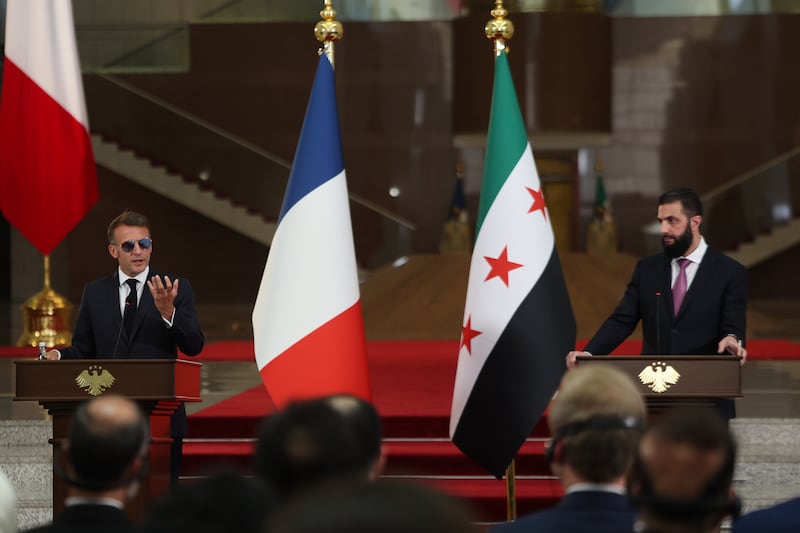
French President Emmanuel Macron arrived in Syria on Monday, marking the country’s first visit from a major Western leader since its regime change in December 2024.
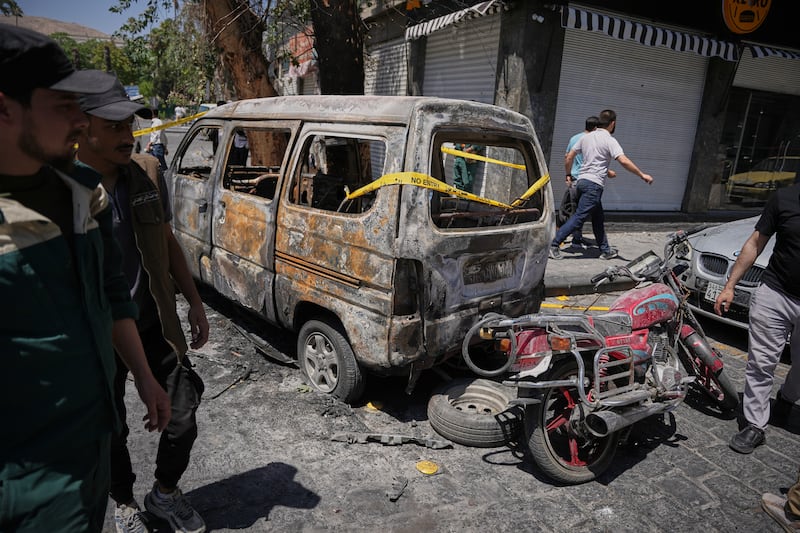
Macron’s visit to Damascus was met with attacks in the city when two bombs exploded and injured 18 people. The French president was not near the bombs when they were detonated.
Sana, Syria’s state news agency, reported that authorities had found two explosives and were working to defuse them when they exploded.
One bomb was placed inside a vehicle and another was hidden inside a garbage can.
Macron visited Syria ahead of the NATO summit in Turkey to express France’s support for a sovereign Syria.
What the explosions might mean
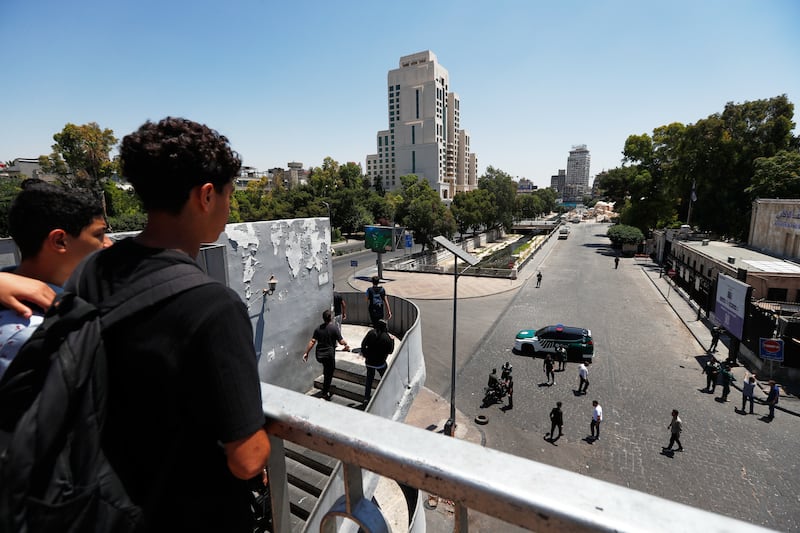
The bombs exploded outside of Macron’s security perimeter and posed no direct threat to him, Al Jazeera reported. Security experts were unsure of the intent of the bombs, but believed they were meant to make international headlines in hopes of portraying Syria as an unstable and unsafe place for foreign investment.
The bombing was not unique, as last week a bomb exploded in a cafe in the center of Damascus, wounding 20 people and killing 10.
Syrian President Ahmed al-Sharaa, whom Macron visited on Monday, has faced continued opposition in his leadership role.
Al-Sharaa, a former member of Al-Qaeda, became the country’s president when the Assad regime fell. Since then, regional militias, religious protesters and civil rights groups have criticized his regime and have sought to make changes to the country’s new government.
Macron’s visit and the West’s goals for Syria
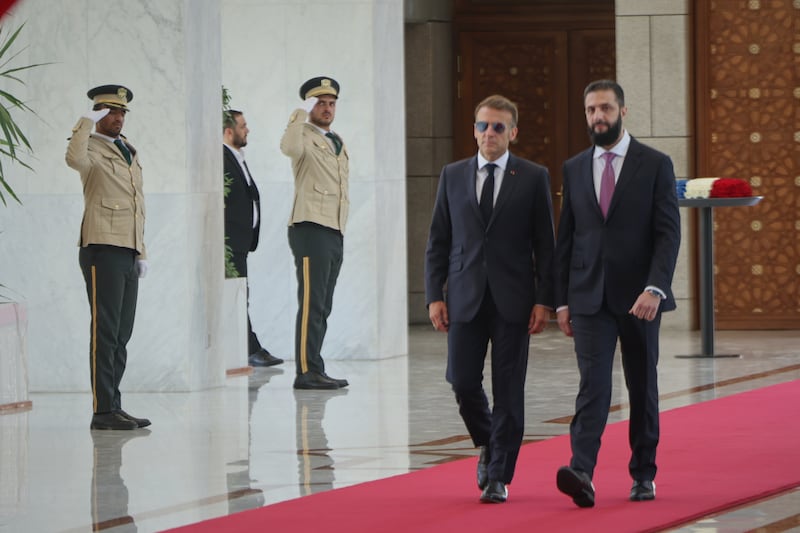
Macron’s visit marked the first time a major Western leader has visited Syria since the Assad regime collapsed 18 months ago and the first time a French president has visited the country since 2009.
The U.S. has generally supported the fall of Assad’s government and has offered conditional support for the new regime, according to congressional records.
Despite the political uncertainty that surrounds the new regime, experts say the West sees an opportunity to gain Syria’s favor and help stabilize the Middle East.
“While HTS (the regime that ousted Assad) has expressed a willingness for a peaceful resolution and criticized Iran’s involvement in Syria, the group’s past association with extremist ideologies requires careful handling,” said Alex Crowther and Jahara Matisek of the Modern War Institute at West Point.
“By acting now,” Crowther and Matisek continued, “Washington can reshape the strategic landscape, diminish Putin’s regional ambitions, further limit his reach, and foster a more stable and democratic order in the Middle East and North Africa.”
Since the fall, Western countries have lent and given billions of dollars to Syria in an effort to stabilize the country, according to ForeignAssistance.gov.
Macron’s visit marks another effort from the West to gain the young regime’s favor and support a stable and independent Syria.
During the visit, Macron also returned £50 million to the country along with artifacts that France had taken from the country during a time of conflict.
“Nothing can smother the aspiration of Syrian women and men to live in a fully sovereign, safe, pluralistic, and united Syria,” Macron said in a post on X.
“This morning,” he continued, “I saw dignity, courage, and determination. My visit continues.”