

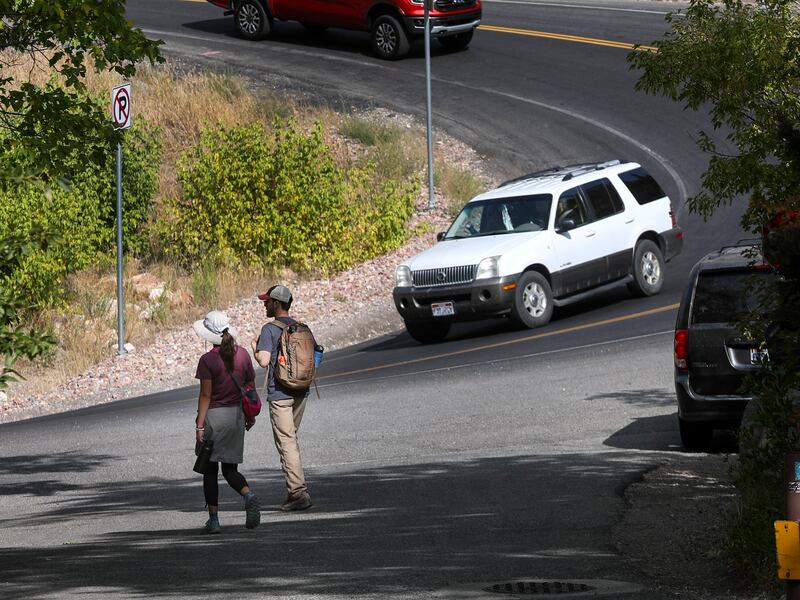

SALT LAKE CITY — Anyone familiar with the canyons along the Wasatch Front knows their greatest challenge — moving people in and out of them on crowded roadways amid the threat of traffic-stalling disasters that include avalanches, landslides, snowstorms and wildfires.
How to solve those transportation woes is complex, costly and will require political acrobatics, as anyone who has been involved in the countless studies done over three decades will tell you.
“There is a reason nothing has ever really happened,” Ralph Becker, executive director of the Central Wasatch Commission told the Deseret News and KSL editorial boards on Monday.
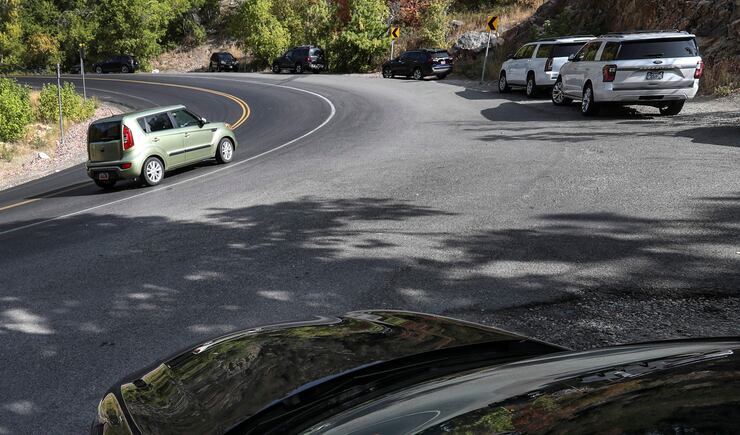


Becker spoke of the hundreds of millions of dollars that are required involving multiple public and private landowners, the competing interests from a diversity of groups and the political will-power necessary to shepherd a solution — all of which leave any significant fix parked in a garage of inaction.
“We are sort of past the point where we should have been making decisions,” he said.
But the commission has spent this year working on its Mountain Transportation System Initiative, with a report set for release Friday following a two-hour virtual panel the public is invited to participate in via pre-submitted questions.
Panelists include Laura Briefer, director of Salt Lake City Public Utilities, Carolyn Gonot, executive director of the Utah Transit Authority, and Ned Hacker, director of operations and special projects with the Wasatch Front Regional Council. People can register online and submit a question via another link.
Summit County Council member and Central Wasatch Commission Chairman Christopher F. Robinson will be one of two moderators of the panel and told the editorial board the report will not settle on any preferred alternative.
“The report is going to have a bunch of alternatives. People will like some of them and get mad at others,” he said. “We have tried to make it somewhat provocative.”
While the Utah Department of Transportation is going through a federal review analysis on potential transportation solutions to Little Cottonwood Canyon and Wasatch Boulevard, commission officials said they wanted to expand their scope to a region-based approach that may include beefing up transit options in the Salt Lake Valley, a tunnel or a train, or an aerial connection to the Wasatch Back, i.e., Park City.
The report’s release kicks off a 30-day public comment period, after which alternatives will be narrowed at a November summit.
“It is a minefield through which we have to find solid ground to traverse,” Robinson said.
The goal is to get everybody’s bread buttered a little bit, he said, and while not ideal, the solution is palatable.
“If everyone can get enough out of it, maybe they can hold their nose on what they don’t like. It is like any compromise,” he said in a later interview with the Deseret News.
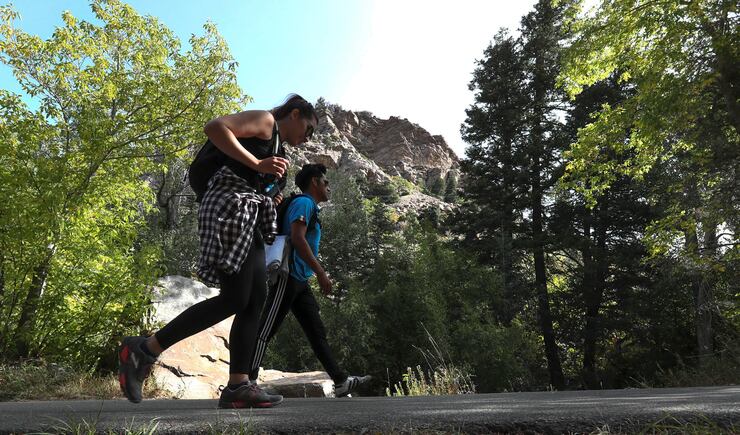
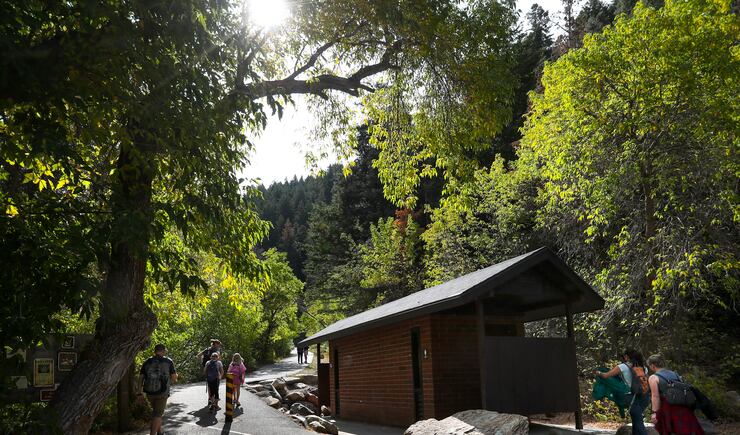
Although it has been plain for years something needs to be done to fix the transportation problems in the canyons, Robinson said the pandemic has increased the urgency.
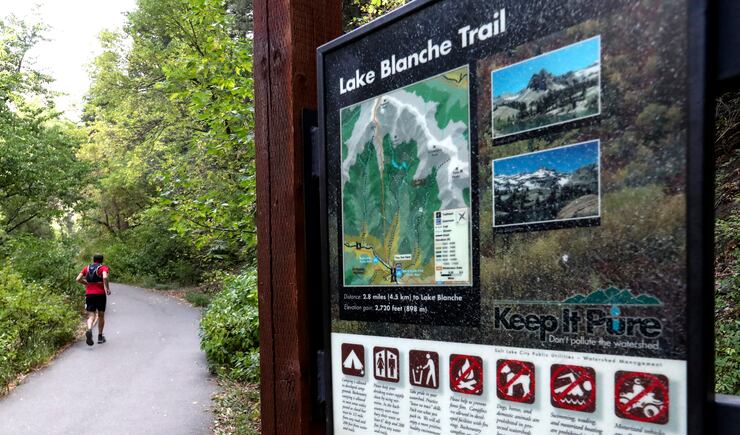
“The COVID-19 has put an accelerant on things,” he said, observing the tremendous surge of visitors recreating outdoors.
“It has gotten to the point where it is becoming untenable.”