

2026 has been a challenging year for many farmers and ranchers across the state.
A record-low snowpack exacerbated drought and water availability concerns, which have lingered throughout the summer. If that wasn’t enough, a spring cold snap after the record-warm winter created a “fruit famine” across parts of the state.
It’s why Utah agricultural leaders are willing to give farmers and ranchers a financial break. The Utah Department of Agriculture and Food announced on Friday that it’s offering “unprecedented” relief on all existing loans, automatically reducing rates to 0% for the next year and giving borrowers the option to defer interest and principal loan payments for up to 12 months.
There are approximately 400 active agriculture loans in the state. Department officials hope it can offer farmers and ranchers “additional flexibility” as they recover from this year’s impacts.
“Utah’s farmers and ranchers have faced challenge after challenge this year, and we want them to know that we are in their corner. We know producers are hurting, and we want to help,” said Kelly Pehrson, the department’s commissioner.
This year’s record-low snowpack created water shortages at the start of the irrigation season, meaning food producers had less to work with. It also worsened fire conditions. Over 560,000 acres have burned statewide, the second-highest total on record in state history.
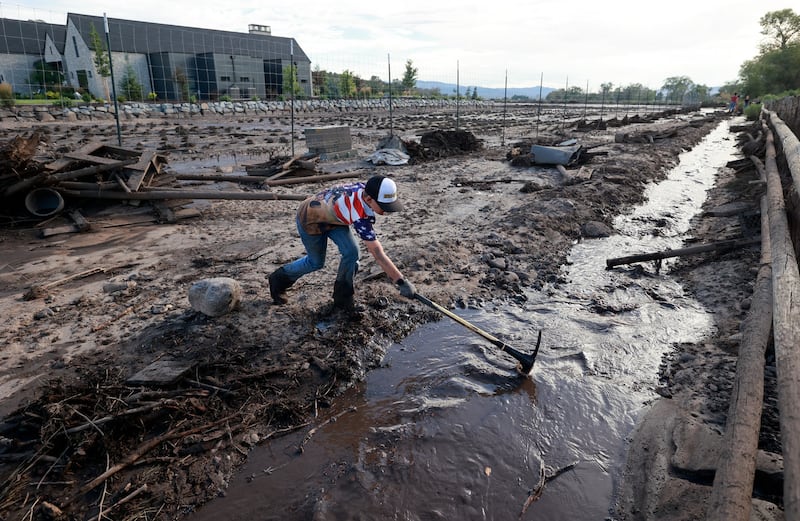
Monsoonal storms have helped improve soil moisture levels, but they caused severe flooding or other damage in some areas. They also haven’t been enough to overcome the “adverse impacts from our record-poor snowpack season,” Jordan Clayton, a hydrologist for the Natural Resources Conservation Service, wrote in a report earlier this month.
Over 90% of Utah remains in severe or worse drought, and Utah’s reservoir system has fallen to 50% capacity — 13 percentage points below last September.
Pehrson told KSL that he’s heard several “horror stories” this year, which have left several farmers and ranchers considering leaving the industry.
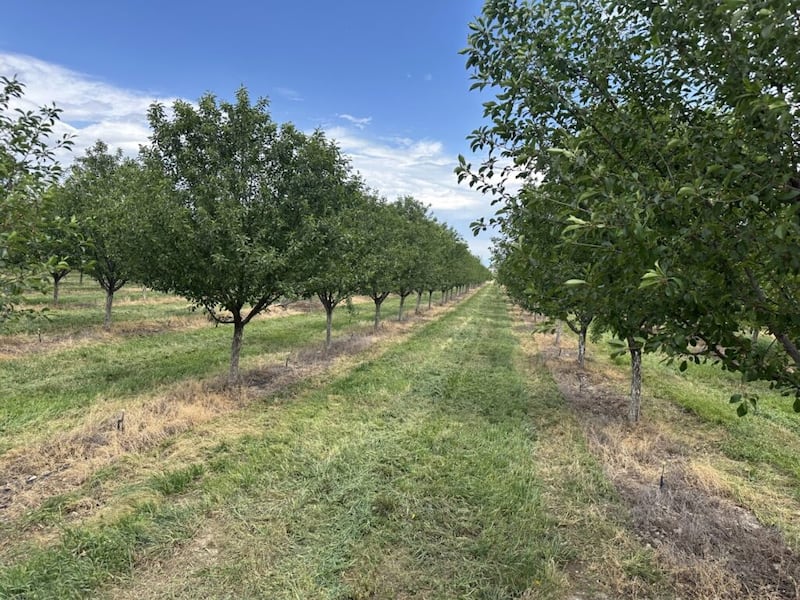
The state estimates that 1,000 cattle were lost from this year’s fires, while some had to buy hay for the first time. Many fruit growers were also left with little to no production from the spring freeze, resulting in the worst impacts there in over 50 years.
Utah Gov. Spencer Cox declared a few different emergencies that helped affected farmers and ranchers this year. The Utah Agricultural Advisory Board took it a step further, approving an emergency measure to reduce loan rates and offer deferred loan payments amid all of these challenges.
The 0% interest will begin on Nov. 1 and last through Oct. 31, 2027. Borrowers who want to defer their payments have until Oct. 31 of this year to inform the agency. Those who have already made their 2026 payments can elect to defer their 2027 payments.
A letter outlining the process was to be sent to all producers who have active loan payments.
The new measure, Pehrson said, shows that the state is committed to its food producers during this year’s struggle, hoping to give them “some breathing room” and help them remain operational.
It may affect how much the state can offer loans next year because principal and interest payments go back into the state’s programs, but he said that’s a potential problem for another day.
“Our stance is, well, if there’s no ag producers or we’re losing farms, we won’t have anybody to lend to anyway,” he said. “It could affect (programs) if a lot of people come to us and want loans next year.”
It’s a “much-needed lifeline,” Sierra Nelson, the executive director of the Utah Wool Growers Association, said in a statement on Friday.
“Utah’s farmers and ranchers are being hit from every direction this year, and for some, the question is whether they can keep their operations going,” added Nelson, who also serves on the state’s agricultural advisory board that supported the measure. “We applaud UDAF and Governor Cox for recognizing the urgency of this moment and taking meaningful action.”
Contributing: Kelly Peterson