


SALT LAKE CITY — Transport a northern Utahn from a hundred years ago to today, and he'd certainly be shocked by all our technology, as well as our hustle and bustle. He or she would also likely be surprised that many residents have never visited a Great Salt Lake beach or so much as dipped a toe in the briny waters of the lake.
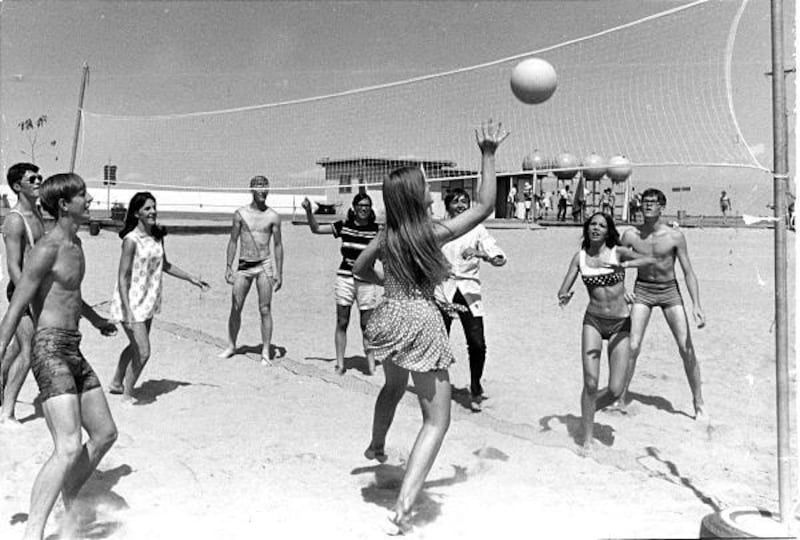
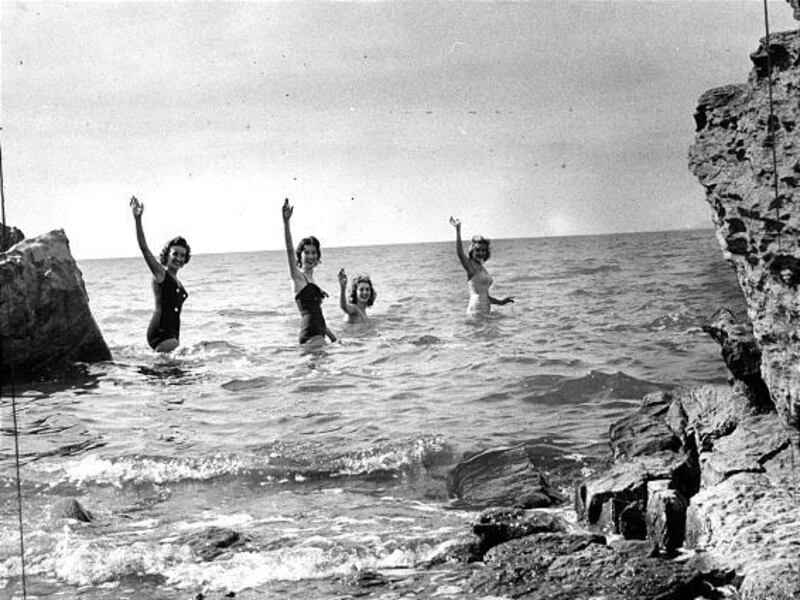
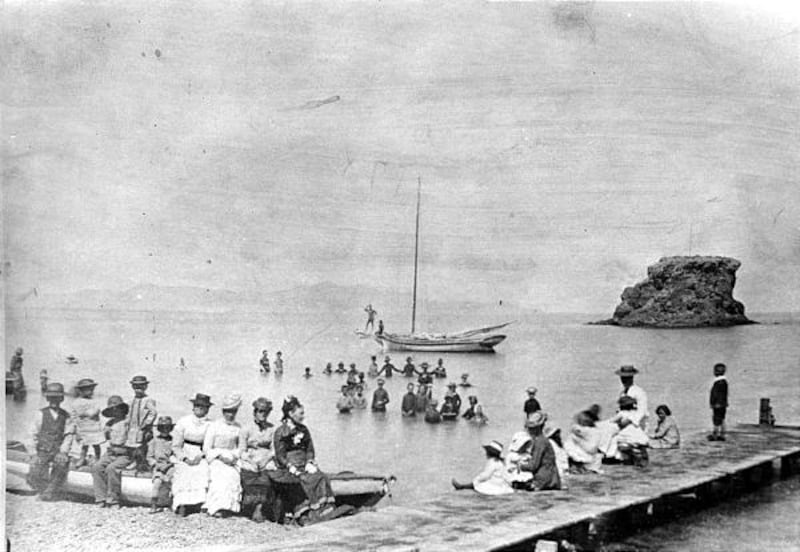
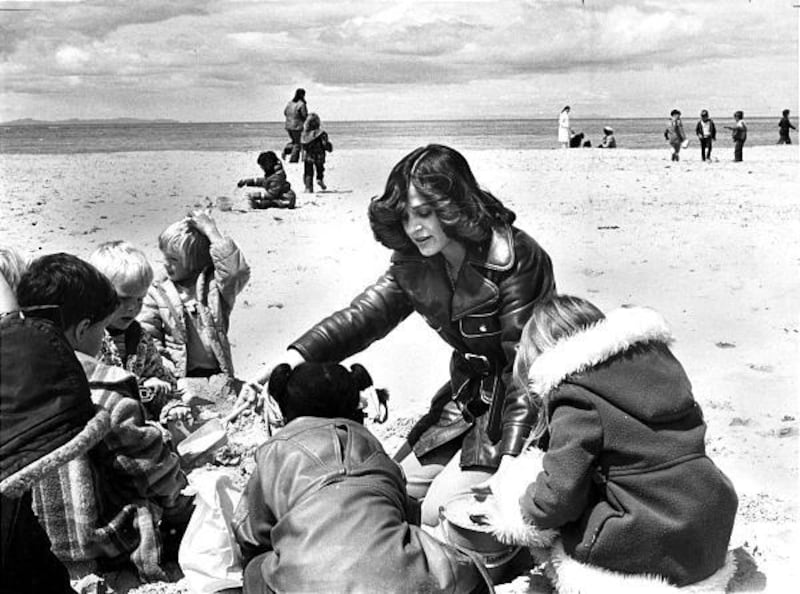
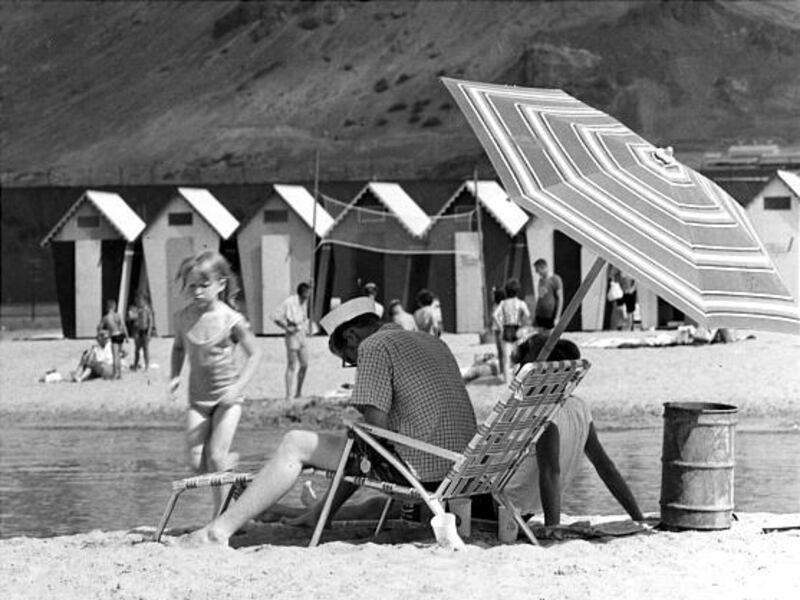
From almost the day the first Mormon pioneers arrived until the 1950s, most northern Utah residents enjoyed an instant love affair with Great Salt Lake beaches.
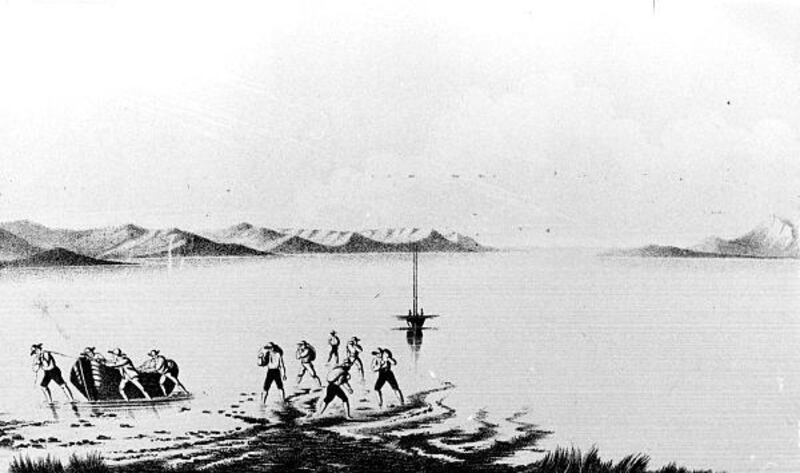
As early as July 27, 1847, some pioneers had tried floating in the lake. Early pioneers described lake swimming as "floating like a pickle" or like "an empty bottle." It was an unusual sensation in which waders became lighter and lighter and finally floated on the buoyant waters.
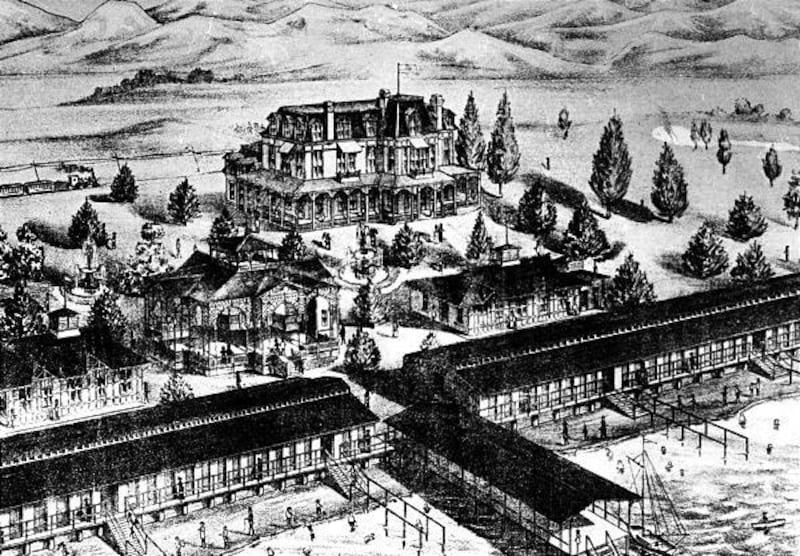
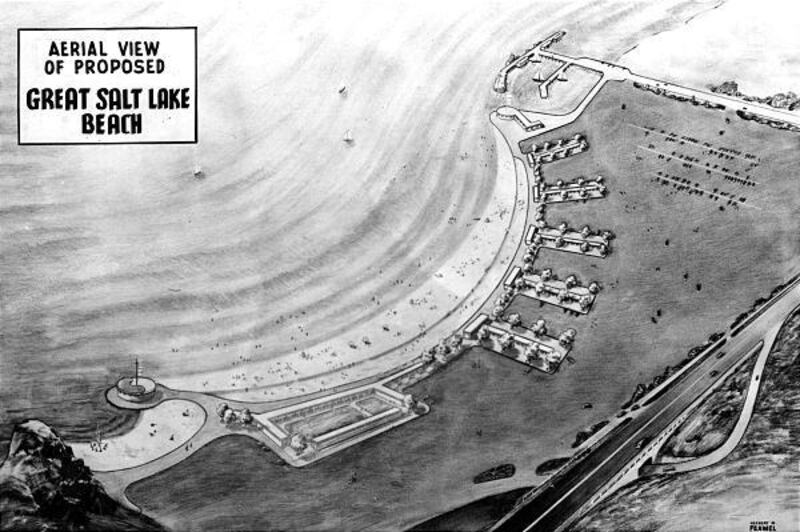
Beach resorts eventually sprang up all over the amazing lake of salt.
"Saltair crowded as never before" — a Deseret Evening News front-page headline stated June 30, 1904.
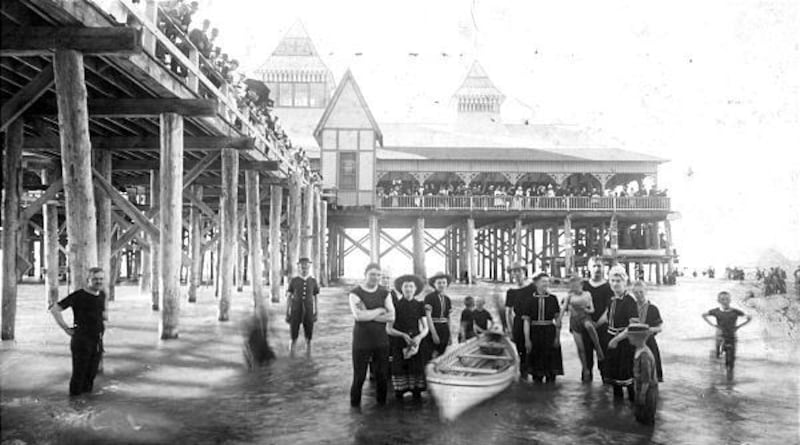
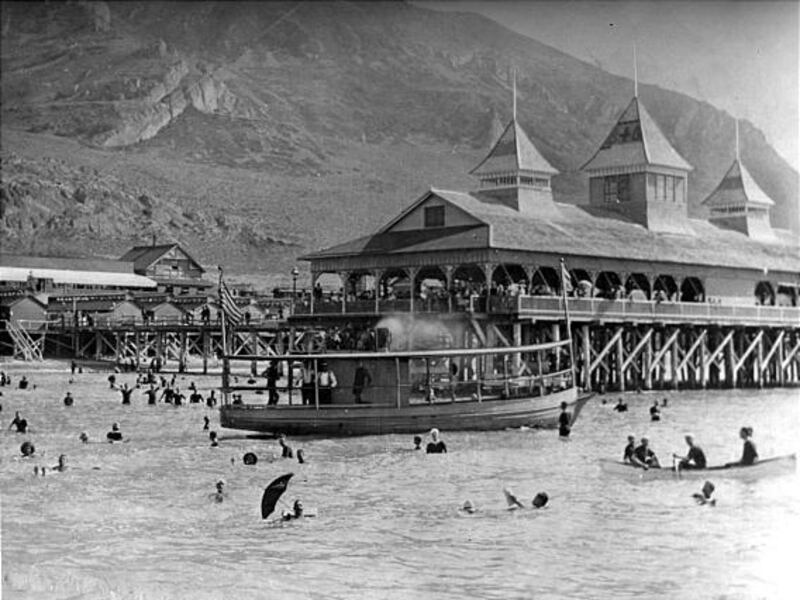
That year, a record 15,000 people gathered at the Saltair resort on the south shore of the Great Salt Lake, mostly to swim in the mineral-laden waters. Fully laden trains ferried people to the resort.
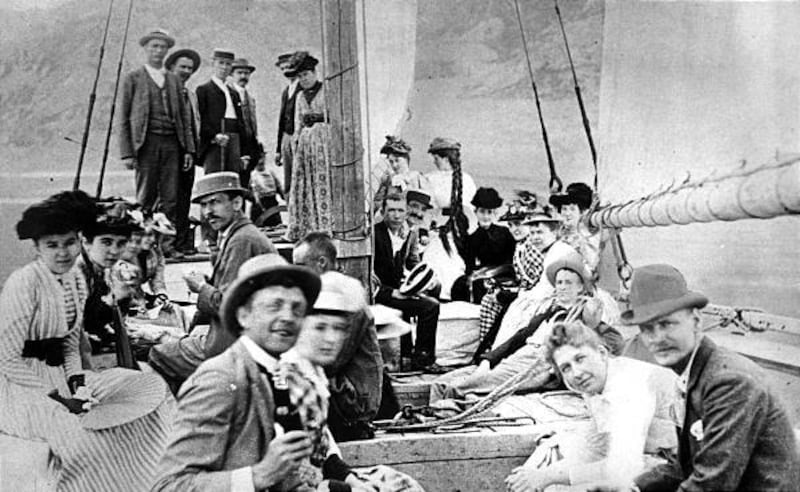
With no Internet or home theater or not-at-home theater or the multitude of other mostly inactive activities available today, Salt Lakers in the early 1900s had to hunt for their own amusements.
Saltair became a sort of "Coney Island of the West," as it and other lakeside resorts catered to the craze for swimming, or rather floating.
It was likely seldom that there was true swimming: Bathers would float like corks and saltwater irritates eyes. No one dived more than once, because it was like hitting a board. But people would float on their backs and interconnect legs and hands and rotate in a circle.
Some Great Salt Lake bathers learned to wear a bathing cap with a clean handkerchief underneath. That way, they could wipe their eyes if saltwater splashed them.
Swimming in the lake was relatively safe, but the first recorded fatality came on July 8, 1896, when Charles Manca died of an apparent heart attack while swimming in the lake.
Bathing suits used in the early 20th century were heavy and woolen, with women's skirts falling below the knees. Many also wore long stockings. Men wore suits that reached the knees.
Some marathon swimming races were held in the lake; the Deseret News sponsored one such race in the 1920s.
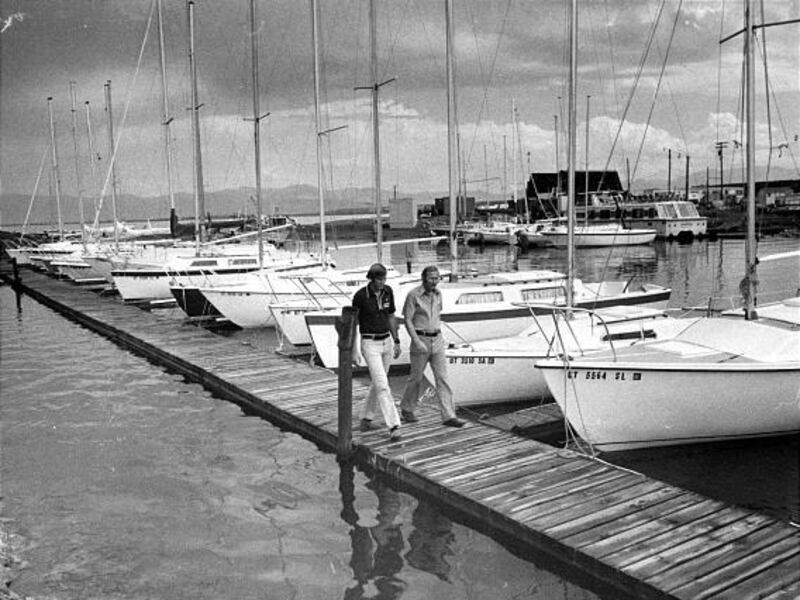
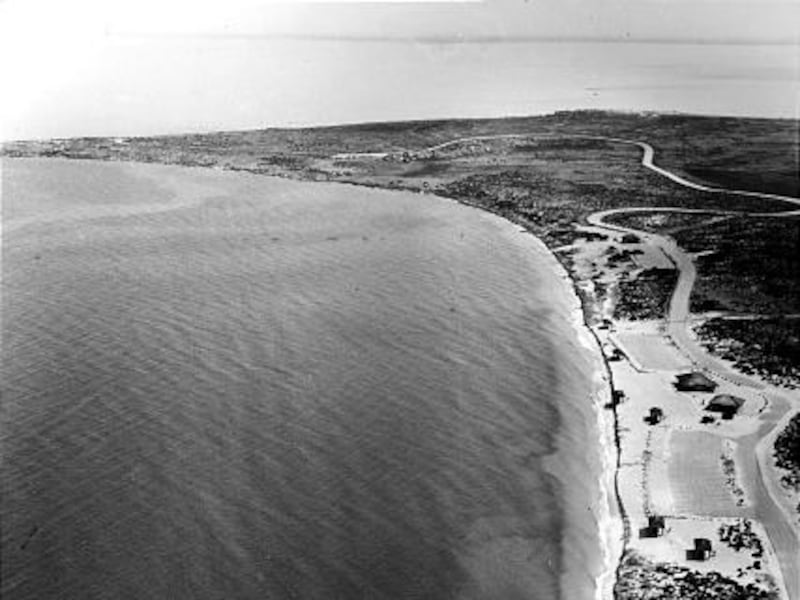
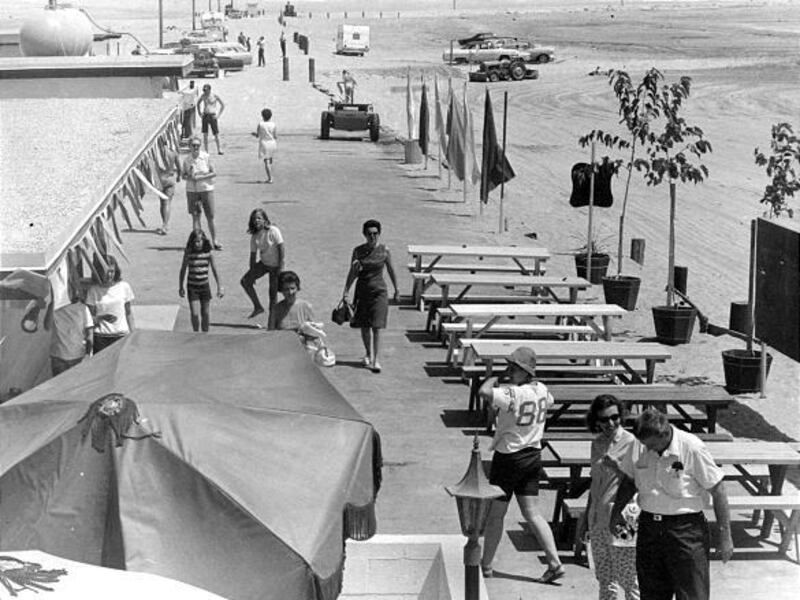
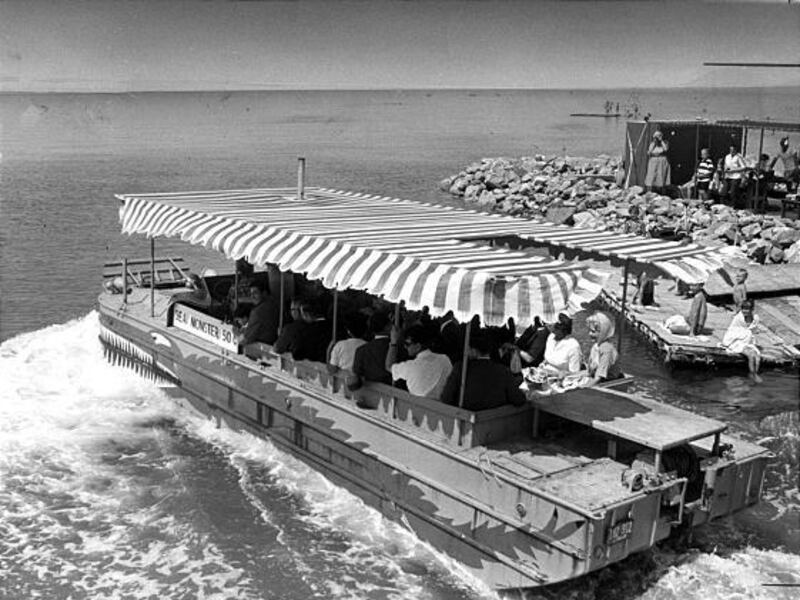
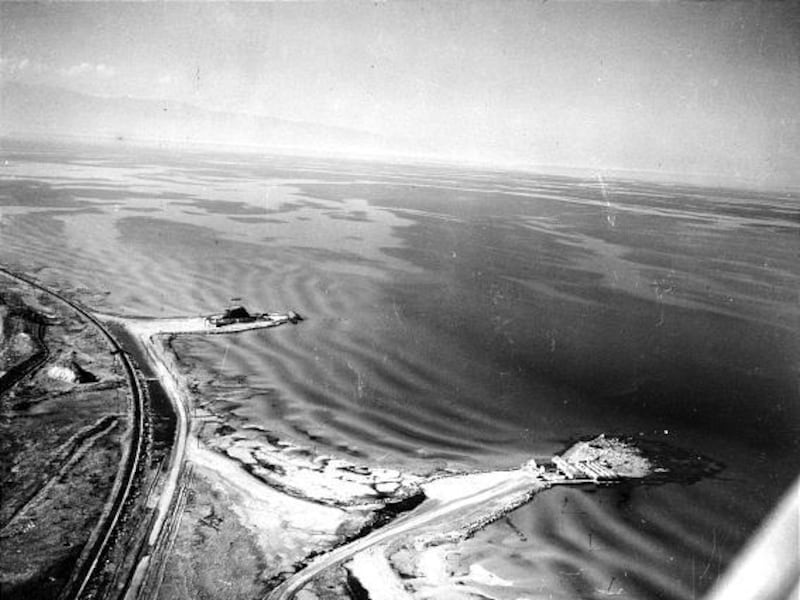
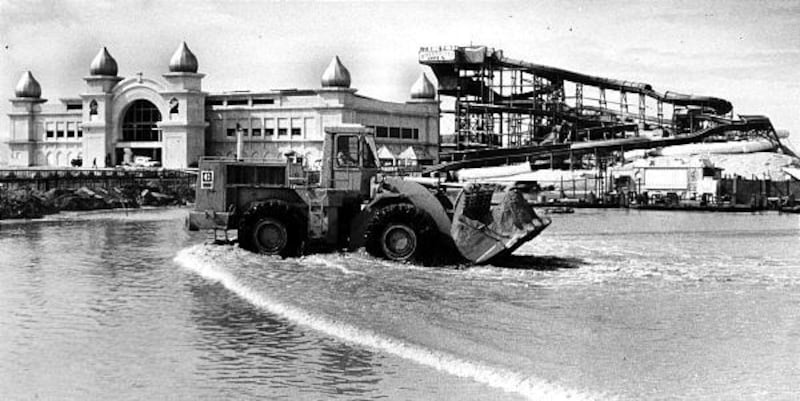
The fickle lake fluctuated and unpredictable water levels caused many resorts to dry up and close. Saltair countered with a mini-train to take bathers to the water, a freshwater pool and even an enclosed saltwater harbor to swim in. Amusement rides, like Saltair's giant wooden roller coaster, and dance halls supplemented the swimming activities.
Several fires, windstorms and a lack of public support eventually caused Saltair to close in the late 1950s. It later reopened a few times but never regained its magic.
But Saltair, the queen of Great Salt Lake resorts, was by no means the only lakeside recreation location.
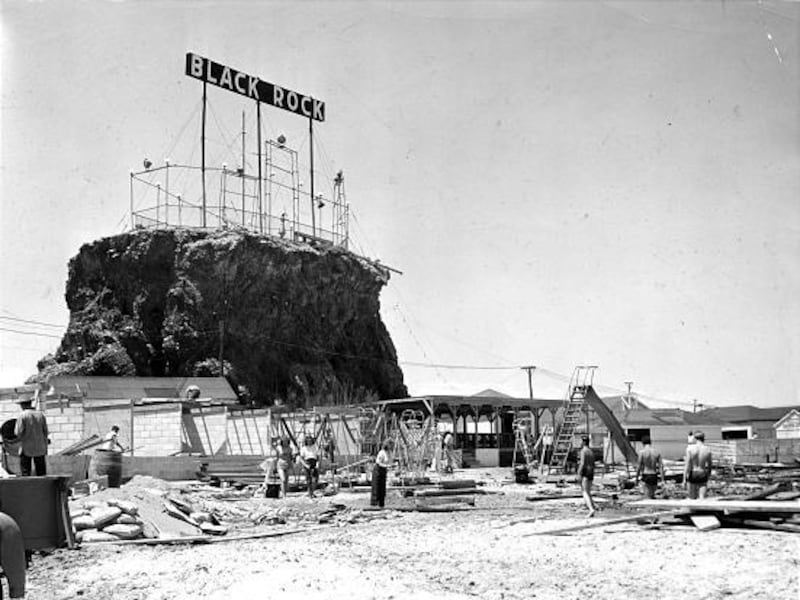
Eight different bathing resorts sprang up around the eastern and southern shores of Utah's inland sea between Syracuse in Davis County on the north and Tooele County's Lake Point on the south between 1870 and 1893. There was also Black Rock, west of Saltair.
Much of their popularity sprang from the facts that bathers didn't even need to know how to swim and that at times the lake's salty waters were claimed to stop nervous disorders, rheumatism and other illnesses.
Ironically, the only lakeside resort to survive to today is Lagoon, and it eventually moved miles inland from the shores of the Great Salt Lake, to Farmington, near a small freshwater lake.
e-mail: lynn@desnews.com