

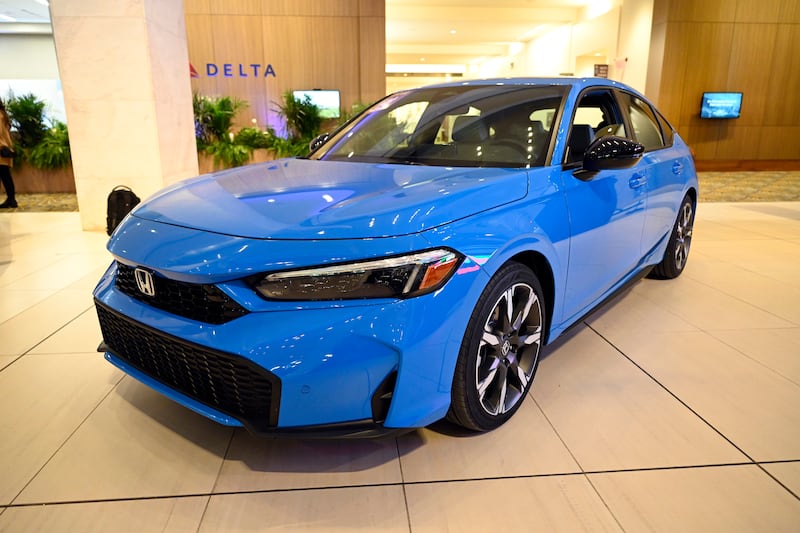

As gas prices continue to rise, many are looking to alternatively fueled vehicles as the best option. Electric vehicles, or EVs, might be the “next big thing” in affordable and renewable travel, but they face an uphill battle due to of a lack of consumer trust. Experts say hybrids could be the “stepping stone” that leads to widespread EV adoption.
The ‘goldilocks’ choice
Despite consumers acknowledging environmental and economical advantages to EVs, only 10% of all new cars sold in the U.S. in 2025 were EVs or PHEVs.
What’s causing American consumers to hesitate? They aren’t sure if EVs can be trusted.
EVs and PHEVs experience 80% more problems than gas-only cars on average, according to Consumer Reports, and extreme temperatures can reduce the vehicle’s range and efficiency while increasing its operational costs. This leaves many skeptical of fully electric vehicles.
Hybrid vehicles, however, offer a unique middle-ground appeal.

While many consumers mistrust EVs and PHEVs, they view hybrid vehicles — which combine a battery and electric motor with a gas engine — as a more reliable option.
Though only 32% of Americans said they were interested in an electric vehicle, 44% said they would consider buying a hybrid vehicle. And, despite EV sales falling in 2025, sales of hybrid vehicles continued to increase, rising 37% in the two months following the start of conflict in the Middle East, Reuters reported.
Compared to EVs and PHEVs, American drivers view hybrid vehicles as more suitable for long-distance travel, less expensive to buy and cheaper to maintain. Customers also worry less about running out of charge or being dependent on finding charging locations during their travel. So, for those looking for alternative fuel, hybrid vehicles are an attractive option: both environmentally- and cost-friendly.
Hybrid vehicles: The ‘stepping stone’ of innovation
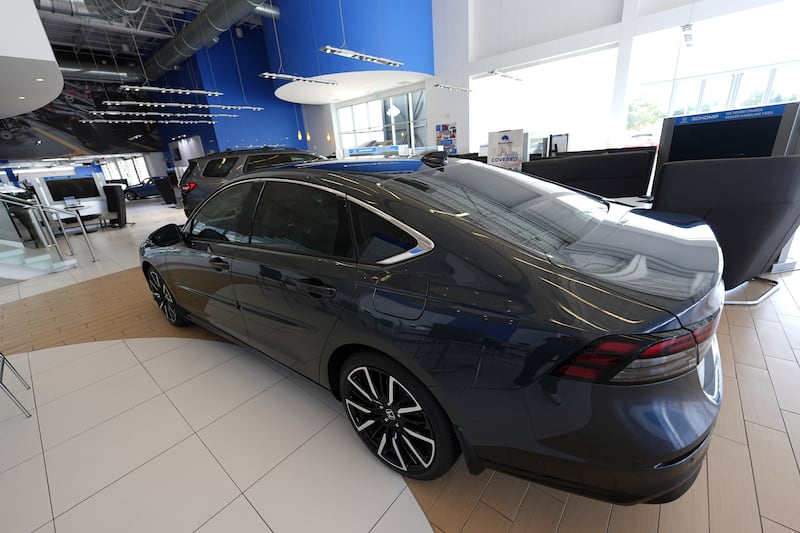
The market for fully electric vehicles is expected to grow at a fast pace in coming years. A world where most cars are on the roads are EVs may not be far away, but getting to that point is a process, and hybrid cars offer an avenue to transition.
A study by the Multidisciplinary Digital Publishing Institute found that hybrid vehicles are a more feasible option based on current infrastructure, making them a “stepping stone” while more-EV friendly infrastructure is developed.
“Hybrid adoption ensures long-term efficiency while paving the way for gradual integration of EVs as their technology advances,” the study said.
By using hybrid vehicles, consumers support environmentally friendly travel and conserve energy. This creates a world where EV technology can evolve and gain public trust, eventually becoming the dominant method of transportation.
Is alternative fuel the solution to rising energy costs?
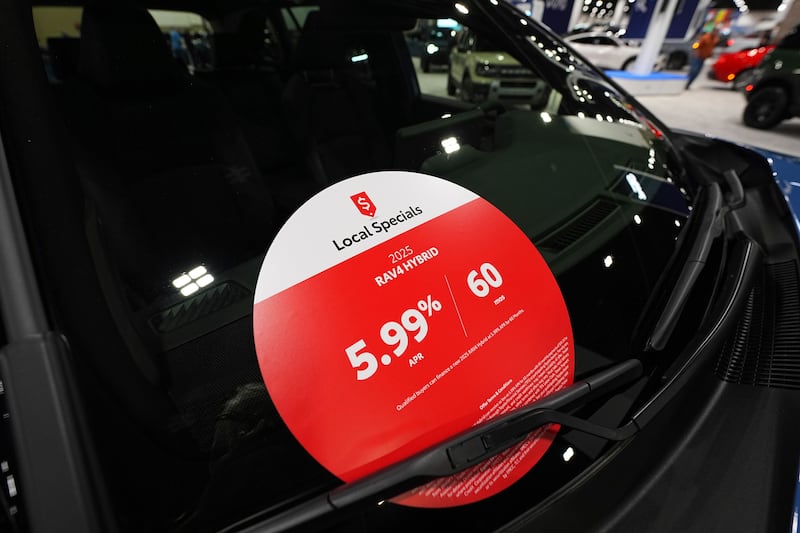
While gas prices skyrocket, nontraditionally fueled vehicles take on new appeal, especially as EV sticker prices continue to fall.
EV drivers tend to spend around 60% less on fuel compared to drivers with gas-powered cars, a number that appeals to those shelling out their savings at the gas pump.
More than half of shoppers said they are considering a battery-electric or plug-in hybrid vehicles due to rising gas prices, according to a study by cars.com.
Using alternative fuel could reduce pollution, increase energy efficiency and stimulate the economy, according to the U.S. Department of Energy, but it requires proper infrastructure to be implemented on a widespread scale.