


In the decade and a half since the seventh “Harry Potter” film premiered, a rocky stretch of stones, pebbles and large slabs has formed a makeshift memorial along a beach in Wales.
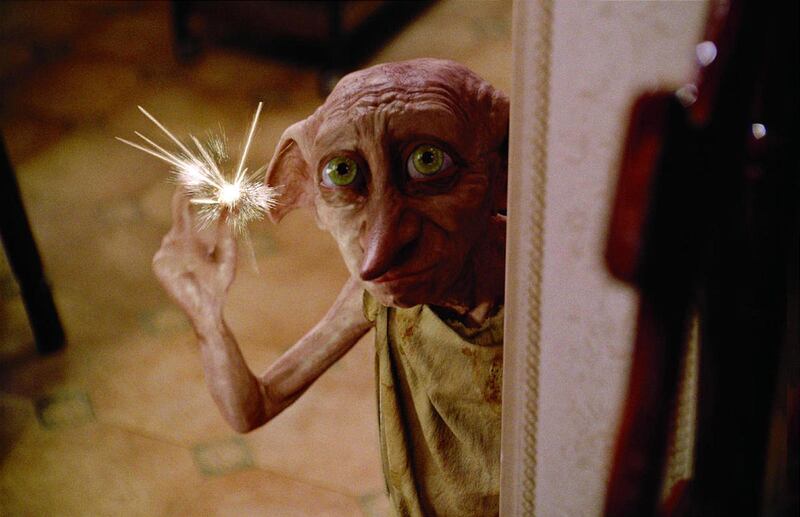
The sweeping gray shoreline of Freshwater West beach in Pembrokeshire is the setting for one of the film series’ most devastating scenes. In the final moments of “Harry Potter and the Deathly Hallows: Part One,” Harry Potter quietly weeps as Dobby, the freed house elf who has helped him and his friends, dies in his arms.
Harry closes Dobby’s tennis-ball eyes. He’ll bury the elf, he says. “Properly,” he adds, “without magic.”
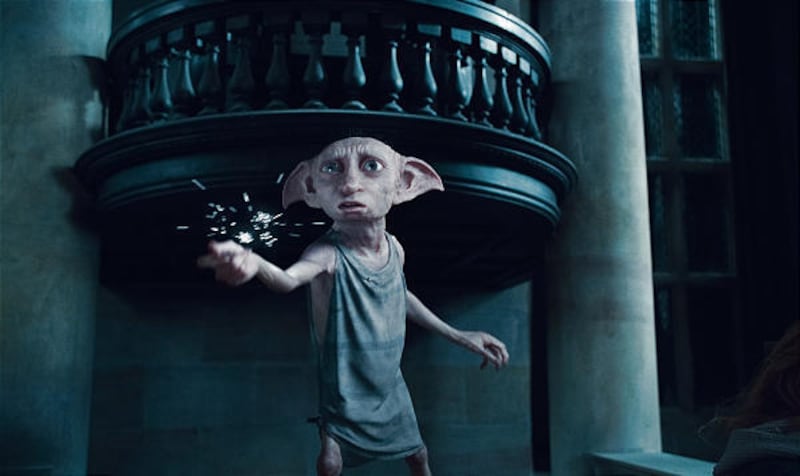
Over the years, the beach became a tourist destination for “Harry Potter” fans. Visitors have made the pilgrimage to the Welsh beach to lay stones (previously socks) at the fictional grave, many of them decorated with messages — most commonly, “Here lies Dobby. A free elf.”
The memorial was put in jeopardy in 2019 by plans for a 125-mile undersea cable linking power between the United Kingdom and Ireland, slicing through the beach memorial.
Simon Ludlam, founder of Etchea Energy and the project manager, went on air that year with BBC Wales. Standing on the shore where the fictional elf was laid to rest, he explained the proposed project.
Passionate fans of the “Harry Potter” film series caused an uproar, sending in hundreds of complaints and managing to divert the $580 million project.
“We got hundreds of calls, I mean, hundreds of calls,” Ludlam recalled in a recent interview on “The Energy Revolution” podcast.
Thrown off by the backlash, Ludlam said a colleague filled him in: “Apparently we’re going to go straight through Dobby’s grave.”
“I said: ‘Dobby, who’s Dobby? I don’t know Dobby.’ I said: ‘He’s a fictitious character in a fictitious book, the whole thing is fictitious, what are you talking about?’” Lundlam recalled.
His colleague responded, “No, it’s very, very serious.”
Ludlam and his team of planners met to discuss how to reroute the cable and avoid Dobby’s memorial.
The revised path now passes “quite close” to archaeological remains from the Bronze Age, including urns typically associated with human burial, Ludlam said, while leaving Dobby’s grave undisturbed.
“A lot of people were very happy about that” he added, “and the project is now going and Dobby’s happy.”