

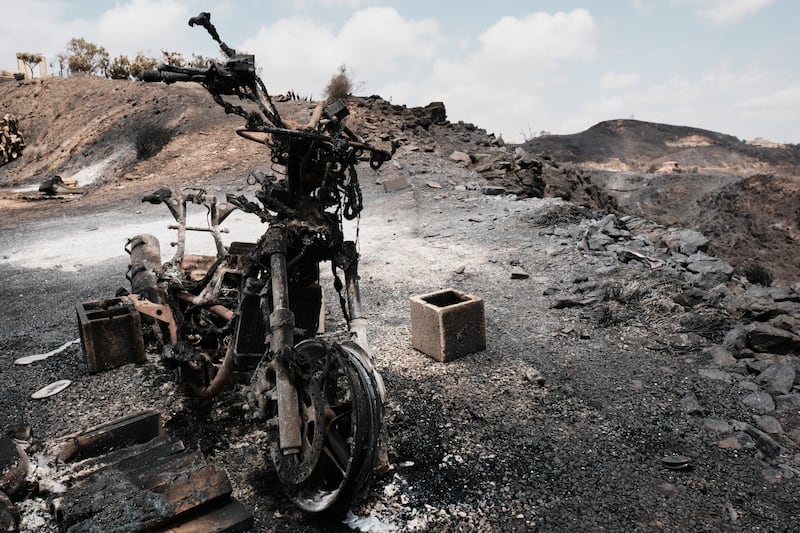

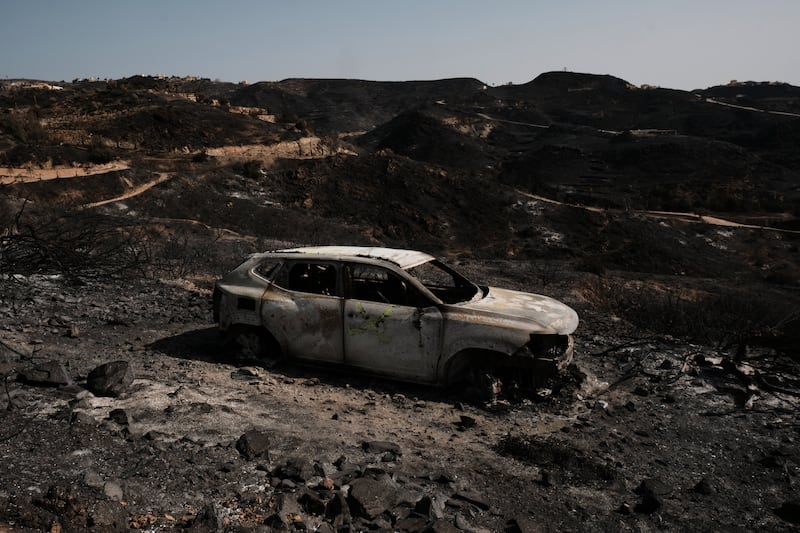
At least 13 people have died in one of the deadliest fires on record in Spain.
“We are facing one of the fastest and most complex fires in recent times,” Andalusian President Juanma Moreno said in a statement shortly after the fire started last Thursday.
This “major tragedy”, as referred to by Moreno, began Thursday near Los Gallardos, a village in the Almería province. It was ignited by sparks from a broken roadside cable and quickly grew to a dangerous size.
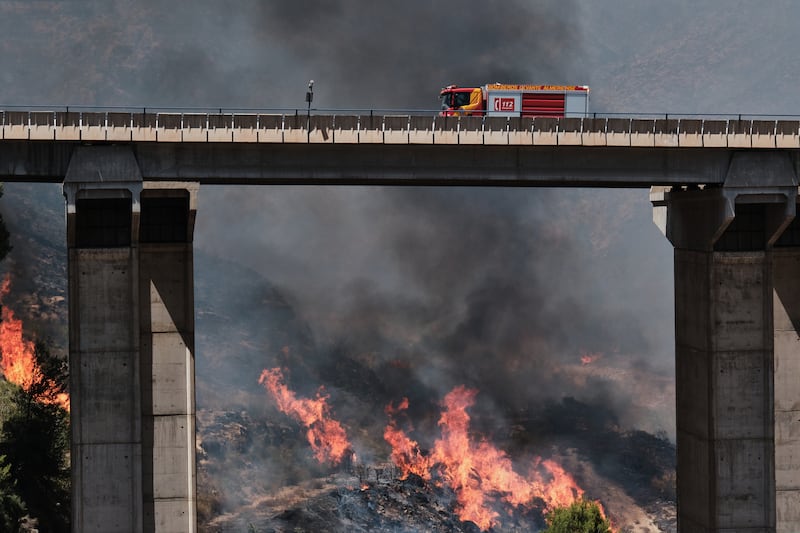
“At first, it was a small urban fire that firefighters rushed to extinguish, but due to strong winds, it spread rapidly up the mountain, covering 15 kilometers (almost 10 miles) in two hours and becoming a forest fire,” the president said.
The size of the fire more than doubled over the weekend and has burned approximately 17,300 acres as of Monday. Rapid growth was fueled by the intense heatwave across Western Europe.
The fire near Los Gallardos is one example of the many devastating fires raging worldwide — fires that leave a trail of damage to be seen for years to come.
Lack of mobile emergency alerts may have contributed to the ‘tragic outcome’
Some of the 13 casualties resulting from the Los Gallardos fire may have been residents who did not obey emergency alerts, authorities said. Government officials chose to employ individual, in-person notifications rather than mobile alert messages to avoid confusion for residents across multiple areas that all had different evacuation procedures.
More than 1,000 residents were evacuated from their homes due to fire danger.
“They were given directions based on their location and what was safest for them, but some, unfortunately, seem to have ignored them, and this may have caused the tragic outcome,” Moreno said.
“Unfortunately we have had to mourn victims in this very cruel and rapid fire,” he said a few days later.
Risk remains as fire nears extinction
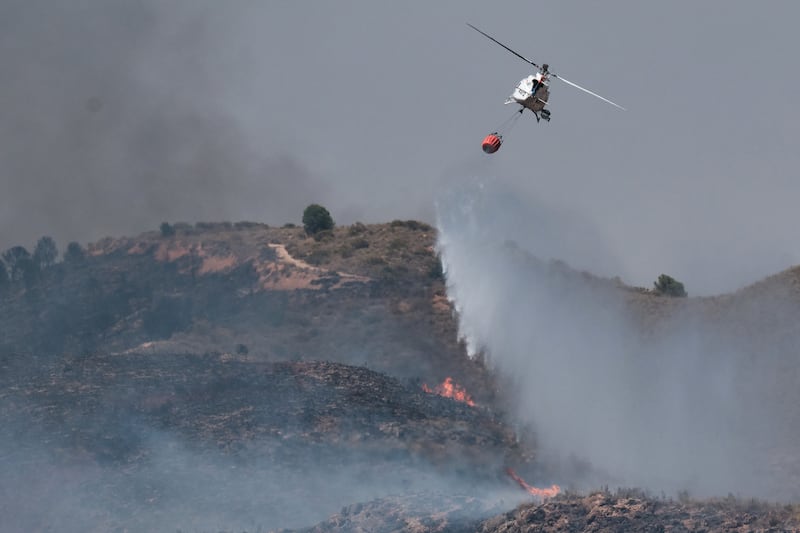
Though the fire is nearing extinction, the Andalusian Agency for Security and Comprehensive Emergency Management said the risk of IIFF (Incendios Forestales, meaning forest fires or wildfires) “does not decrease.”
Moreno said the “very dry mountainous areas are the perfect fuel for fire, and if you add the wind to that, it’s a ticking time bomb.” He later referred to wind as “the worst enemy,” pointing at its ability to assist in rapid flame growth by carrying inflamed debris from one area to the next.
While fire officials work to douse the remaining flames, search operations continue in the affected area and the president warns residents to “remain vigilant” through the rest of the summer, saying the country has “a terrible track record with late-summer fires.”
“We are very concerned about the current situation. It is more than likely that we will have a very tough, very difficult summer,” he added later.
The effects of wildfire are felt worldwide, and they will be for years, experts say
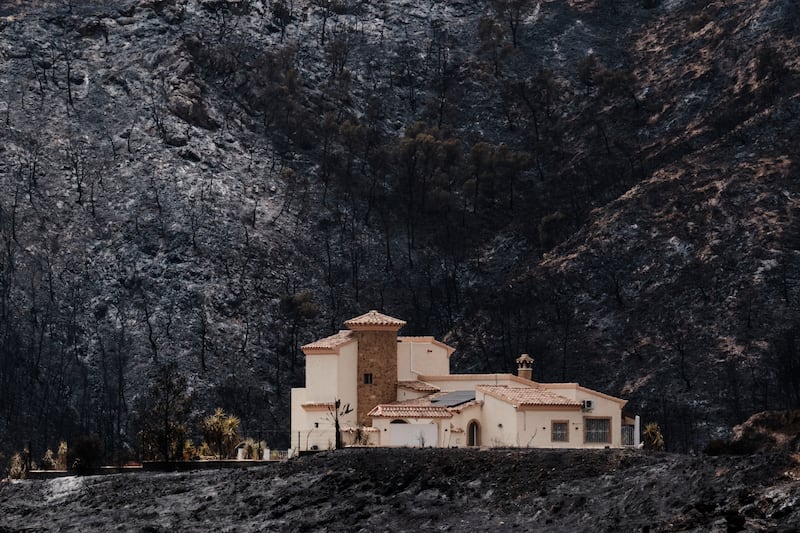
Counting the fire in Los Gallardos, the European Union has seen 1,057 fires this year, according to data released by the European Forest Fire Information System, but fire danger is not limited to Europe — it is a point of concern across the globe.
The United States has seen more than eight times the number of fires that Europe has, with the National Interagency Fire Center reporting almost 40,000 fires year-to-date.
Fire prevention efforts in Singapore, Malaysia, Indonesia and Brunei are also stressed as these countries experience a dangerous haze, according to a report released by the Singapore Institute of International Affairs. Weather conditions associated with El Niño could worsen the already hot and dry conditions, providing further risk for fire, the report said.
Hanna Payne, climate resilience manager for the Center for Climate and Energy Solutions, told the Deseret News that lasting impacts from large fires “often extend thousands of miles beyond actual flames,” and can last for years.
Payne said impacts extend beyond just the environment and into infrastructure, economics and public health.
In addition to destroying critical habitats and water sources, fires can ravage through homes, businesses and power grids. Also, if vital transit routes are blocked, it can result in damage to the supply chain system.
Smoke in the air can spread thousands of miles from the site of the fire, causing respiratory issues and cardiovascular diseases that affect the physical health of those both nearby and far from the location of a fire.
“But wildfire can also result in kind of mental and community health challenges as well,” Payne said, noting that the impact on the health of fire victims extends beyond their vital signs.
“If we’re talking about mental health impacts of losing, you know, your home or having to evacuate from a wildfire, those are year, if not decade-long impacts on community mental health,” Payne said.
“It’s become especially obvious this wildfire season so far, but fire and smoke do not respect state lines, county borders, or property fences,” Payne said.