

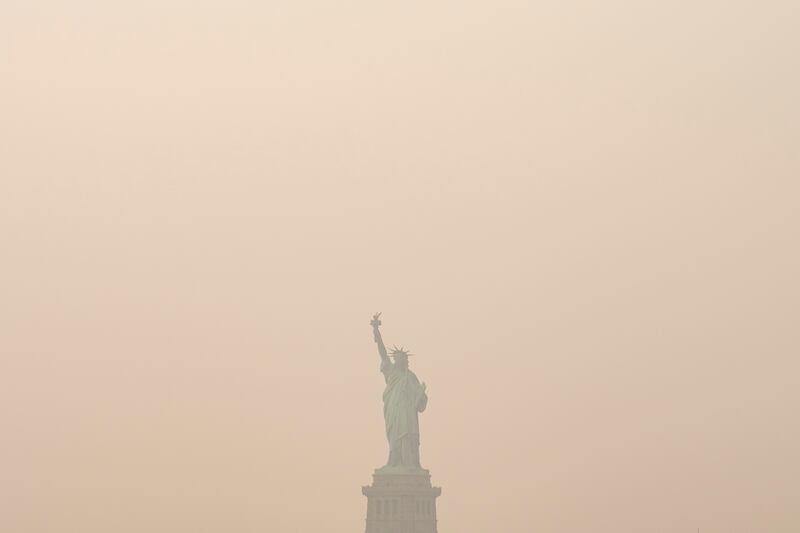

The bright flames of Canadian wildfires are darkening American skies with dangerous waves of smoke. And U.S. residents along the East Coast are dealing with it.
As of Thursday morning, Detroit, Minneapolis and Chicago are among the top 10 most polluted cities on the planet, with poor air quality “primarily being caused by wildfire smoke,” according to IQAir.
Air quality in cities across America’s Midwest and Northeastern regions are quickly deteriorating with no clear end in sight (and not just because the murky air is reducing visibility).
What cities are most severely impacted?
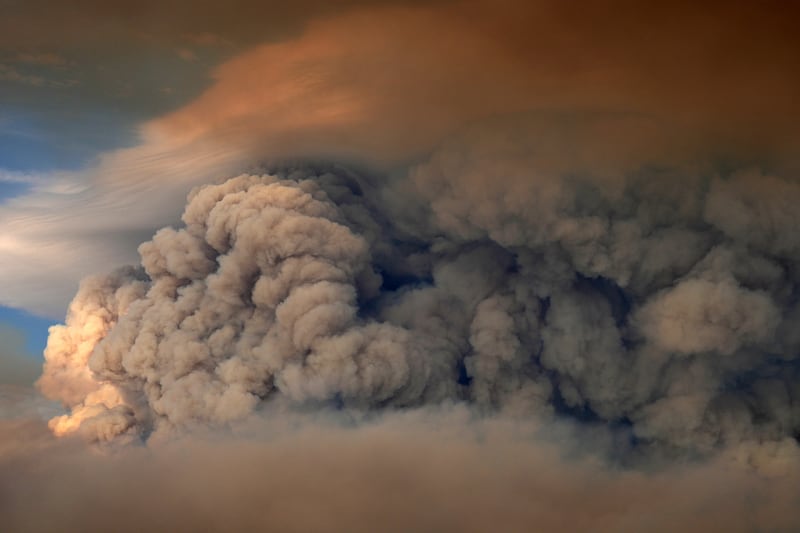
Several areas home to muggy orange skies are marked by blaring red dots on the U.S. Air Quality Index, meaning conditions in these cities have been deemed hazardous.
Chicago, Cleveland, Detroit, Milwaukee, Minneapolis, New York, Philadelphia, Pittsburgh and Washington, D.C., are the most affected cities, according to IQAir.
Hazardous conditions labels signify that the air is heavily concentrated with dangerous pollutants that can negatively impact the entire population of an area, not just those at high risk.
How long will poor conditions last?
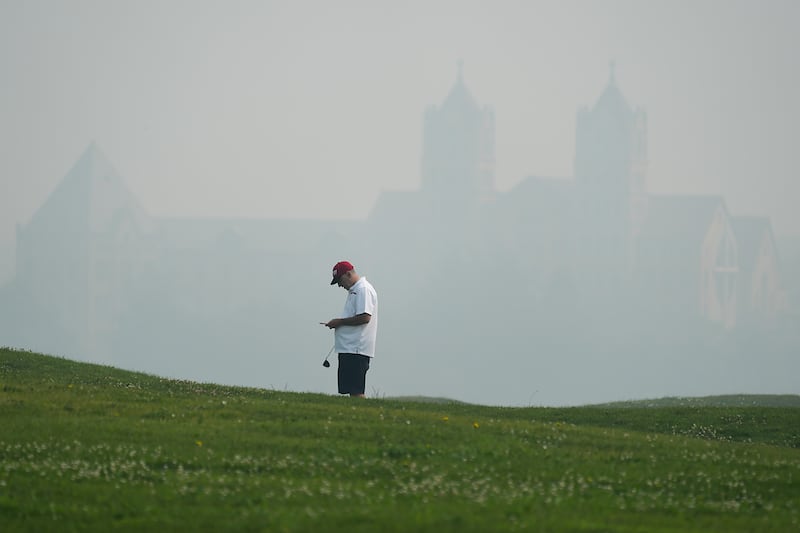
Rain and strong winds near the fires are expected to improve air quality throughout the weekend, according to the U.S. Interagency Wildland Fire Air Quality Response Program, but as long as wildfires remain, air quality will be an issue.
“Air quality is expected to improve gradually by the weekend as shifting winds help disperse wildfire smoke,” IQAir reports. “However, periodic smoke episodes may continue over the next 10 days, with additional plumes possible as long as wildfires remain active in Minnesota and Canada.”
What is being done to help?
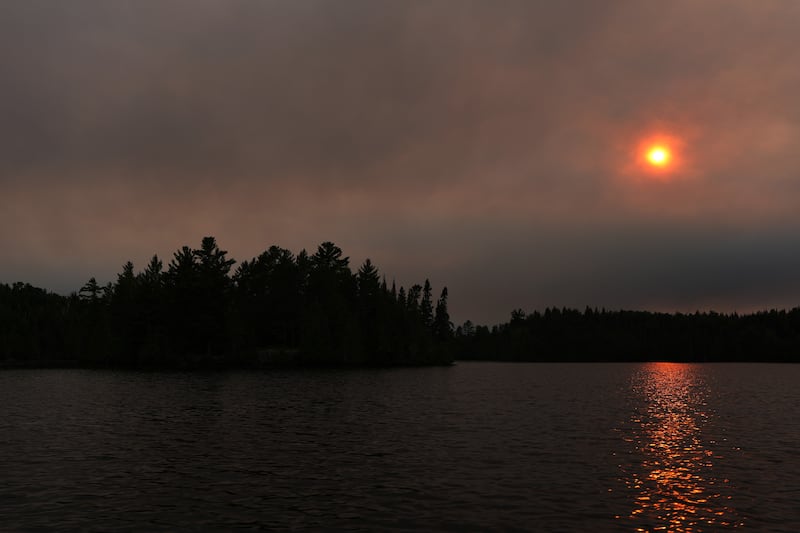
Leaders in affected states are warning residents of the dangerous conditions and providing instruction on ways to avoid negative effects.
Residents in several states have been asked to stay indoors whenever possible.
Those in affected areas are also encouraged to check on at-risk residents, including children, seniors, pregnant women, and people with existing heart or lung conditions.
In New York, residents are urged to protect their lungs with N95 masks provided by the state.
New York residents are also invited to use the state’s cooling centers to avoid the heat and unhealthy air that are posing “a serious threat to new Yorkers’ health,” as described by New York City Mayor Zohran Mamdani.
In addition to avoiding the dangerous conditions, many leaders are advising residents to stay updated using official monitoring sites.
What are the lasting effects of poor air quality?
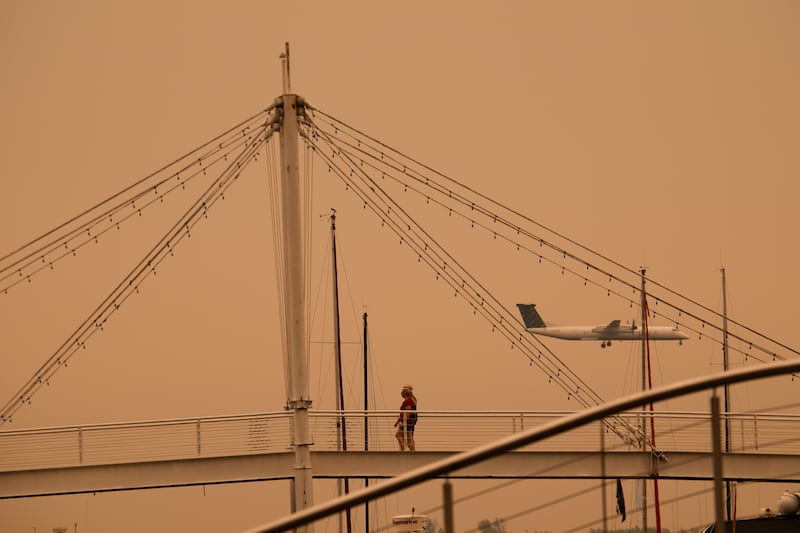
Air pollution is “a major threat to global health and prosperity,” according to the National Institute of Environmental Health Sciences.
Exposure to polluted air can have both short-term and long-term effects on public health.
Short-term effects include difficulty breathing, coughing, chest pain and irritation of the eyes, nose and throat.
Residents who experience any of these symptoms are warned to go inside immediately.
Long-term effects can consist of damage to lung tissue, cancer or respiratory illnesses like bronchitis, emphysema and asthma, according to IQAir.
What are the best ways to avoid negative effects?
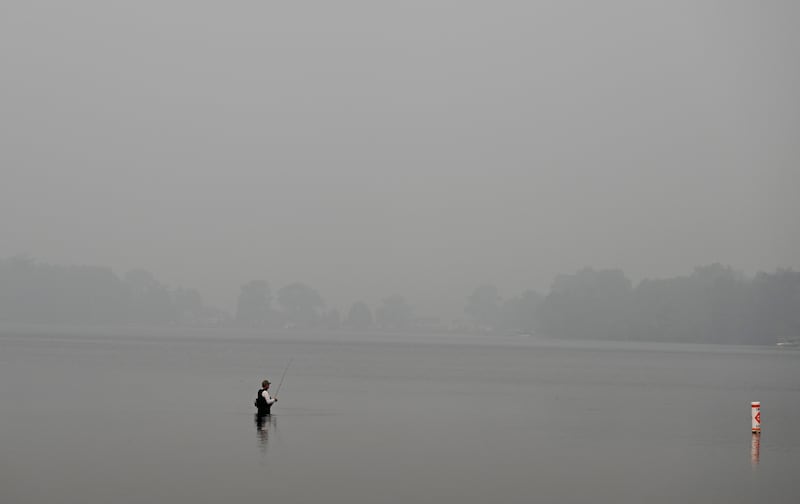
The best way to avoid these effects is to limit exposure to polluted air. This can be done by keeping doors and windows shut, setting the HVAC to recirculation mode and using high-performance air purifiers to filter out pollutants.
For further information, stay updated using local, real-time air quality alerts and forecasts.