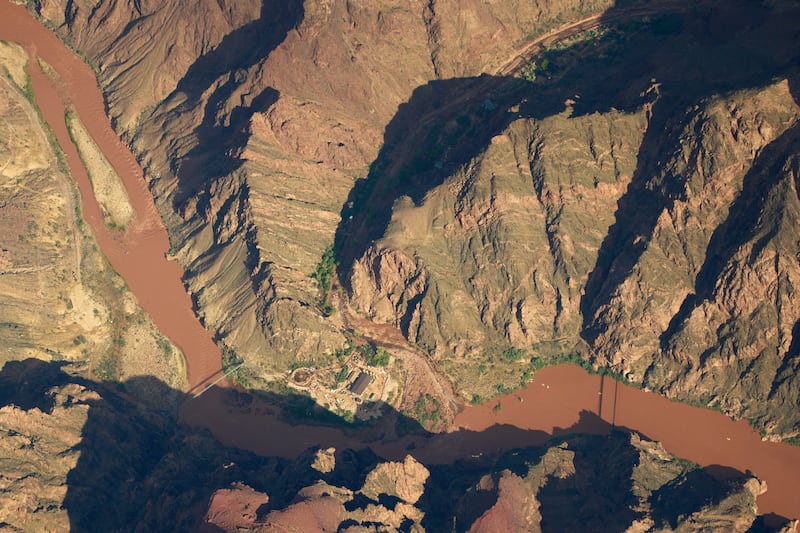

The National Park Service identified the two victims of the “destructive flash flood” in the North Rim of the Grand Canyon.
Officials announced Tuesday they had recovered the bodies of two men from Granbury, Texas: John Guisti, a 42-year-old chiropractor, and Brent Rosenkranz, a 42-year-old martial arts studio owner.
A third person, Wyoming pilot Timothy Smith, 53, was believed to be on the trip with them and is still missing.
Incident Cmdr. Dave Black said Monday that there is “no reason to believe” that there is “anybody besides the one” person missing, according to The Associated Press.

Dozens of people were evacuated as floods moved through the area, sweeping large boulders and metal structures into the Colorado River that runs through the canyon.
Rescuers saved approximately 80 people over the weekend, transporting evacuees to the Maswik Lodge Cafeteria on the South Rim, where the American Red Cross is coordinating assistance, the National Park Service said in a release.
Search and rescue operations continue to look for the missing hiker “and account for anyone else who may have been in the affected area at the time of the flood,” the park service said.
Damage from the flooding could impact surrounding community
Flash flooding in the Grand Canyon began Aug. 29 and caused “extensive damage to infrastructure in the inner canyon,” the National Park Service said, including the sole pipeline used to supply water to millions of visitors in the South Rim and inner canyon areas.
Authorities estimated that nearly 40% of the pipeline has been destroyed, leaving the park with limited water reserves.
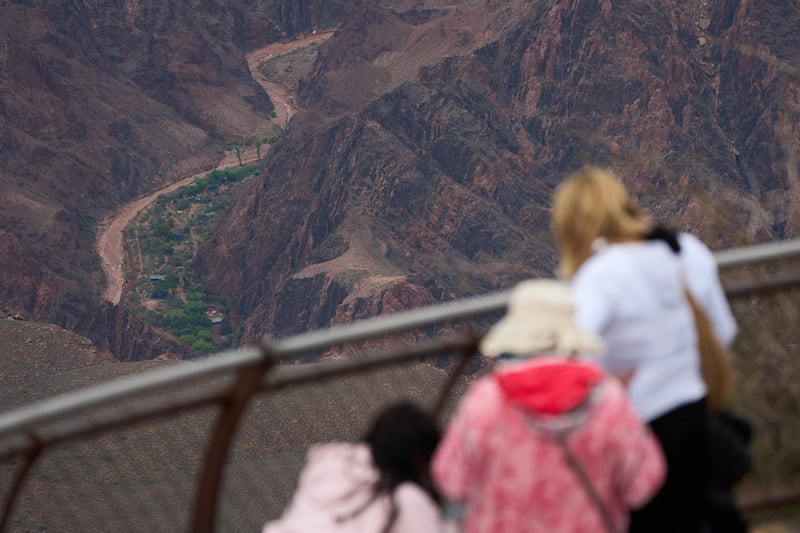
The Grand Canyon National Park implemented Stage 4 water restrictions on the South Rim in response to the “significant flash flooding” along Bright Angel Canyon, one of the most popular hiking trails in the Grand Canyon. Officials urged residents and visitors to employ water-saving measures such as taking quick showers and turning off the tap while brushing teeth.
Several hotels in the South Rim were closed “for the foreseeable future” due to the damage, according to the park service. Uncertainty about how long park facilities will be affected raises concerns for how the flooding will affect the local economy.
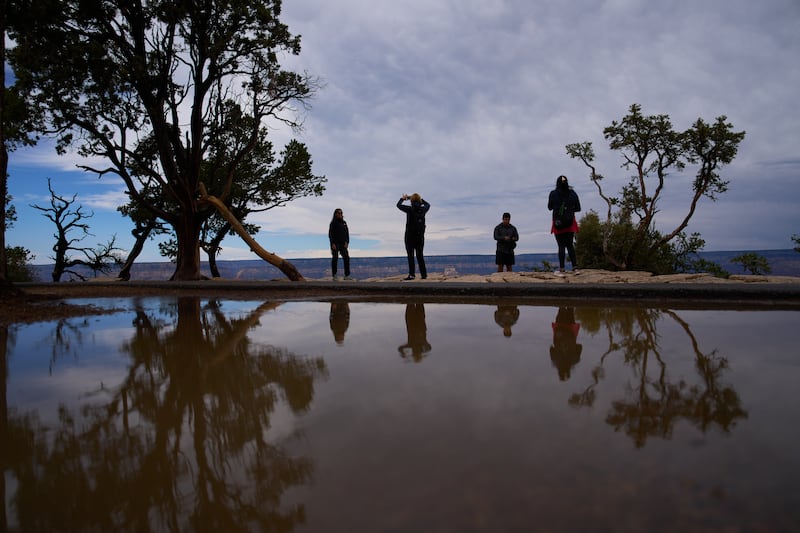
The Grand Canyon had 5 million visitors in 2024, according to data released by the park service. The park brought in more than $900,000 in revenue, 98.8% of which was from nonlocal visitors. If tourists cancel their travel plans, it could affect the revenue for 2026.
The site also supports almost 9,000 jobs, meaning several thousand employees could be affected by park closures.
This is not the first time the pipeline has suffered damage. A repair and replacement project costing more than $200 million was underway when the floods hit. The project renovations were expected to be completed next year, but the timeline for completion is unclear now.