



A new history website has been released from a collaboration between The Church of Jesus Christ of Latter-day Saints and the Northwestern Band of the Shoshone Nation (NWBSN), a federally recognized tribe whose members are the direct descendants of the survivors of the 1863 Bear River Massacre.
Published by the Church Historian’s Press, the website is entitled “Native Saints: The Washakie Ward” and tells the story of one of the first Indigenous congregations in the Church of Jesus Christ, a Northwestern Shoshone ward that operated between 1880 and 1966.
“The collaboration is something we’ve always wanted,” Brad Parry, vice chairman of the NWBSN, said in a press release. “I think this is something that our ancestors have wanted.”
The Washakie Ward was founded in 1880 as a farming village and Indigenous congregation just four miles south of the Utah-Idaho border. The new website details how this place became a physical and spiritual home for many Shoshone during the 86 years following their earlier struggle to “survive Euro-American migrant and settler incursions within the Shoshone debia’, or homeland.”
This new publication draws upon earlier work in “Saints: The Story of the Church of Jesus Christ in the Latter Days,” which documents experiences of Northwestern Shoshone Latter-day Saints.
The multiyear effort involved six leaders of the Northwestern Band of the Shoshone Nation, seven historians from the Church History Department and eight editors.
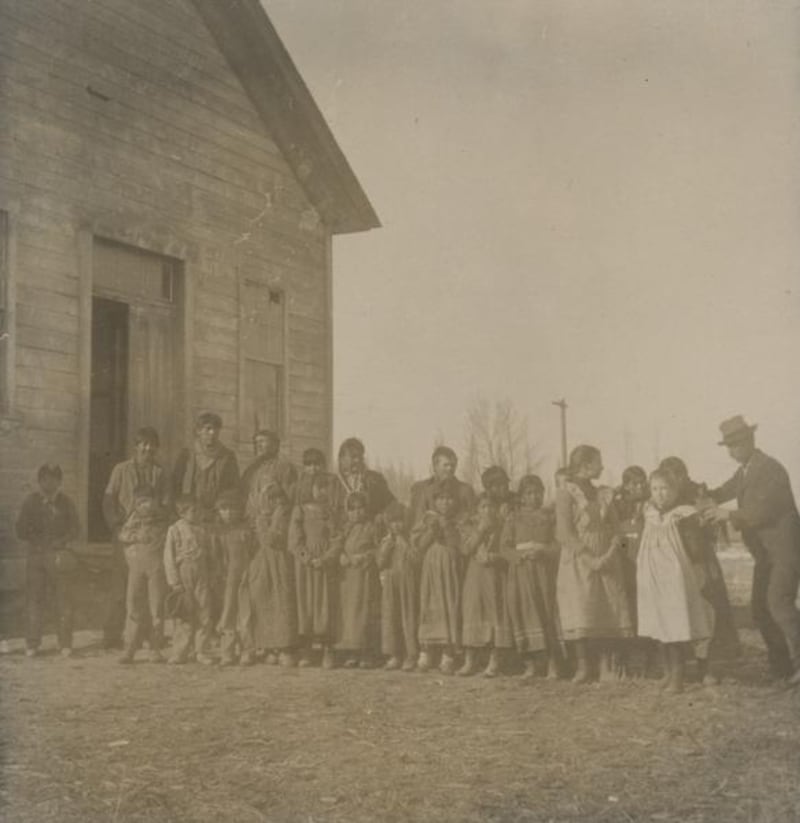
30 biographies and 1,500 individual profiles
Central to the website is the database of 1,555 profiles of Northwestern Shoshone men, women and children whose names appear in Church records because they either accepted baptism into the church or died as children in these families.
Volunteer missionaries at the Church History Library and FamilySearch indexed the Washakie Ward records for two years, scouring missionary journals, letters, reports and record books. Along with typical genealogical information, the records include baptismal and other ordinance records and church participation in the form of prayers given, talks delivered, musical numbers performed, and callings and leadership positions held.

The website also features 30 biographies of prominent individuals connected to the early Northwestern Shoshone Latter-day Saint community in northern Utah. That includes:
- “Bishop” John Moemberg, the principal Shoshone leader of the Washakie community in the late 1870s and early 1880s
- Cohn Shoshonitz Zundel, a daughter of Bear River Massacre survivors who was the first Shoshone woman called as a counselor in the Relief Society presidency of the Washakie ward
- Yeager Timbimboo, a massacre survivor himself and a longtime counselor in the Washakie Ward bishopric
- Sagwitch Timbimboo, a chief leader and survivor of the massacre who was baptized in the spring of 1873 — and two years later received his endowment in the Salt Lake Endowment House in February of 1875. The same day, Timbimboo and his wife, Beahwoachee, were sealed by Wilford Woodruff.
Sagwitch Timbimboo was principal among those who shared spiritual manifestations that persuaded hundreds of tribal members to accept baptism into the church in the 1870s. He was also among a group of the Washakie Shoshone who helped build the Logan Temple in the late 1870s and early 1880s, where they later performed sacred ordinances for themselves and their deceased ancestors.
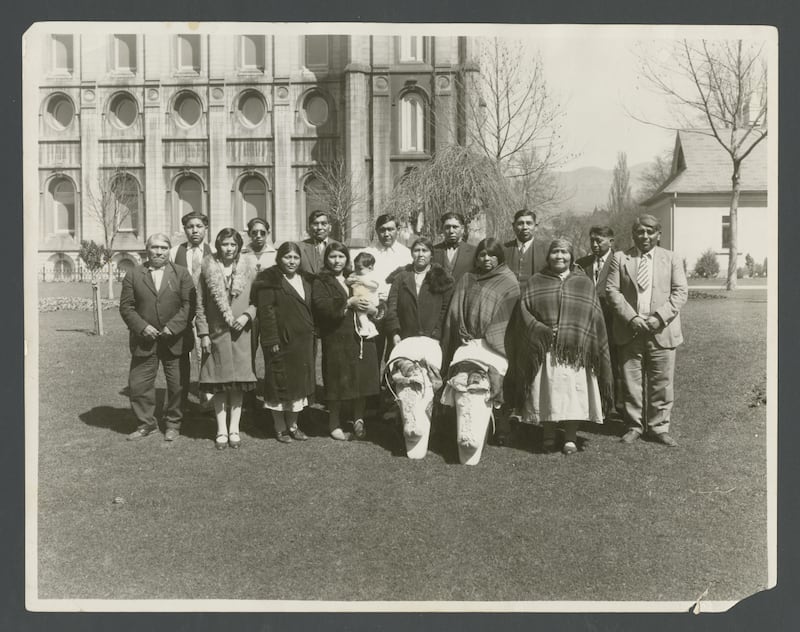
Yeager Timbimboo stood at the pulpit of the Salt Lake Tabernacle during the church’s 96th annual conference on April 6, 1926. Through an interpreter, Timbimboo recalled, “In my childhood I understood nothing of the services of this people. I had seen them going to church. Not until I yielded obedience unto the word of God and accepted the ordinances of the gospel did I know what they were doing.”
Telling the historical story
Three historical essays are featured on the website, digging deeper into the 86-year history of the Washakie Ward:
- “The Northwestern Shoshone and the Latter-day Saints”
- “The Northwestern Shoshone Mission”
- “The Washakie Ward”
These narrate the history of the Northwestern Shoshone and their acceptance of and experiences with the Latter-day Saint faith.
During this time, Native Americans in the Rocky Mountain area were pressured by U.S. officials to leave for reservations. Some Shoshone began to share dreams and visions convincing them to affiliate with the Latter-day Saint settlers and adopt Euro-American sedentary agriculture — in part, as a viable path toward cultural survival.
A core group of 200 Latter-day Saints established the Washakie ward in 1980, after nearly 1,000 had been baptized in the previous decade.
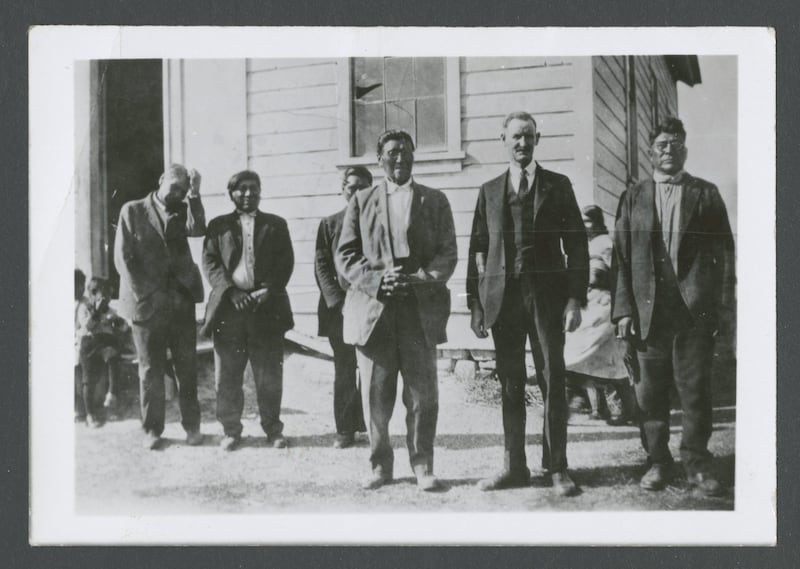
“The Shoshone learned to be Latter-day Saints in the Washakie Ward,” the website notes. “In a small meetinghouse constructed by Shoshone labor, they sat in sacrament meetings where they heard Shoshone preachers expound Latter-day Saint teachings, they participated in the sacrament of the Lord’s Supper, and they listened to a Shoshone choir sing in their own language.”
It was in the Washakie Ward, the website adds, that these early Native Americans “taught their children and grandchildren what it meant to be Latter-day Saints proud of their Shoshone heritage.” Well into the 20th century, the Shoshone language was used in Sunday worship services and community members practiced traditional medicine.
The closure of the ward
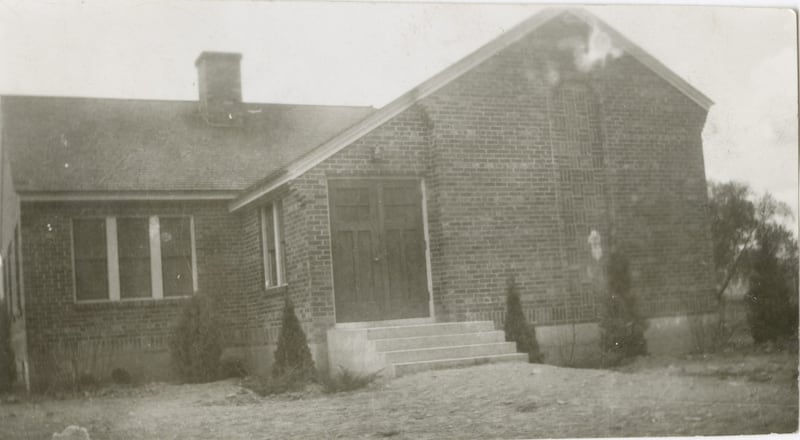
The congregation was closed in 1966, when many Shoshone Saints were forced to leave Washakie for better employment. Local leaders incorrectly interpreted this as evidence that the Washakie Ward had served its purpose, and misunderstood the dispersion as permanent abandonment.
When the land was sold and remaining members were evicted, this caused a “traumatic rupture” that is still healing today — especially since many saw Washakie as having been granted as their permanent home.
In 1974, 184 acres in Box Elder County were donated to the Northwestern Shoshone, designated by the federal government as trust land. In 1987, the tribe adopted a constitution as the Northwestern Band of the Shoshone Nation.
“The Washakie Ward was where the Northwestern Shoshone became Indigenous Latter-day Saints and where they passed on their history, culture and language to subsequent generations,” said David W. Grua, a senior historian in the Church History Department and lead historian of the Native Saints project.
A visual history
The website dedicated to this new resource also includes historical maps, many photographs, a historical chronology and documents regarding the Washakie and the Northwestern Shoshone homelands, along with a guide to collections at the Church History Library pertaining to the Washakie Ward.
Background for the project
This project began in December 2023, as Church historians began collaborating with tribal elders to review historical materials, share research and conceptualize the project.
“Working closely with the descendants of the Washakie Ward members to tell their story has been tremendously gratifying,” Grua said.
Parry described how he grew up hearing stories about Washakie from his father and grandmother. “These are my grandmother’s stories coming back to life,” he said.
Rios Pacheco, a tribal elder and cultural adviser for the NWBSN, described how this new website captures an important part of the tribe’s culture and history.

“It’s important because we can see that they survived a great tragedy,” he said. “Yet they continually called upon our Father in Heaven through prayer to help guide them and to help take care of their families and to search for a place that they would be able to gather and meet as a family and as a community.”
Pacheco hopes these stories will reverberate across generations to come. “I can’t talk to every youth, but those words will talk for me.”