

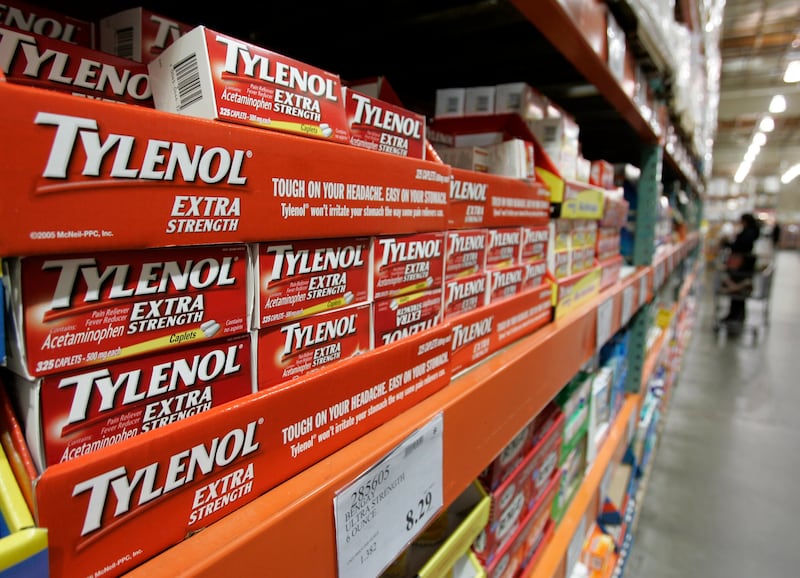
In 2022, 110,000 individuals died by suicide in the U.S. Tragically, Utah ranks among the states hardest hit, with the 14th-highest suicide rate in the nation. In 2021, 20 in 100,000 people in Utah took their own lives, well above the national average of 14 per 100,000. The conversation about suicide is tricky and complex; a broad context is needed that addresses the social, medical and financial contributions to suicide rates. Drug overdoses are continuing to rise, with opioids leading the way, though over-the-counter (OTC) medications, including acetaminophen (Tylenol), are frequently involved. As a fourth-year medical student at the University of Utah, I’ve seen firsthand the long ICU stays, liver failure and suicide all from acetaminophen overdose. I want to propose a simple yet potentially life-saving intervention.
In the late 1990s, hospitals in the U.K. and Hong Kong studied the impact of packaging changes on suicide rates involving paracetamol (the international equivalent to acetaminophen/Tylenol). These researchers found that blister packs — those medication packs that require punching out pills one at a time — had a significant reduction in paracetamol overdoses. A similar study in Australia found the same result with a different medication. Worldwide attention grew and policies were implemented. In 1998, the U.K. government enacted a policy requiring a switch from larger bottles of OTC medication to smaller individual blister packs. Subsequent death rates from paracetamol overdoses dropped substantially. There’s a psychological theory behind it: the more effort it takes to access a potentially lethal dose of medication, the less likely a person is to follow through with a suicide attempt. It’s the same principle behind storing firearms locked and unloaded in a safe — more barriers create time to reconsider.
Salt Lake City is densely packed with grocery stores that stock acetaminophen. From Harmons near Brickyard to Winco on State to Target on 300 West, OTC medications are abundant and easily purchasable by anyone of any age as long as they have the tender. Local stores have shown initiative to both expand their branches and give back to their community. The way they package acetaminophen would demonstrate that commitment.
Let’s take Costco, for example. Salt Lake City is home to the world’s largest Costco (though a California location is poised to overtake it). This massive retail hub offers more than just great deals on rotisserie chicken — it’s also home to a large pharmacy. Currently, Costco sells a two-pack of 500-pill bottles of 500 mg generic acetaminophen (Kirkland brand). Some quick back-of-the-napkin math shows a total of 500 grams of the drug — enough for more than 70 overdoses. This type of supply is not unique to Costco, either; Walmart in Salt Lake City also supplies the same quantity of drugs in the same dose. Anyone who has $7.98 could buy enough medication for 70 overdoses. Simply changing the packaging from huge bottles to something that bottlenecks the ability to take the drug all at once may help prevent overdosing. This could look like blister packs, strip packaging or even decreasing the wide mouth of the bottles to smaller openings that only dispense one pill at a time.
This small change could save lives. Not only would grocery stores demonstrate commitment to the well-being of the city and its residents, but it would also spark a ripple effect by other retailers in other cities. While such a shift would likely require adjustments in manufacturing (and possibly a small cost increase in production), the potential benefits are enormous. It could be advertised as a safety mechanism, and I don’t know about you, but I would much prefer to shop at a store that cares for my well-being. Grocery stores would show commitment to community and help prevent acetaminophen overdoses. It’s a win-win. This change wouldn’t just prevent intentional overdoses — it could also reduce accidental poisonings, such as when a child or young family member gains access to the medication.
There are some other things to consider, however. The cost to change packing would likely be a bit more expensive. Additionally, some may argue that blister packs are inconvenient for people with arthritis or mobility issues, but solutions could be found to address this challenge, such as offering alternative packaging options for those who need them, a “request for accommodation” system or storing large bottles behind the counter. These drawbacks can’t be ignored, but in the larger picture of suicide prevention, I believe the pros outweigh the cons.
Of course, suicide is a complex issue with many contributing factors — psychological, social, financial and medical. No single change, such as altering medication packaging, can solve it. But if a simple packaging change could save even one life, why not encourage it?
If you or someone you know is struggling with thoughts of suicide, please reach out to a loved one, a healthcare professional or a suicide prevention hotline. Help is available.