

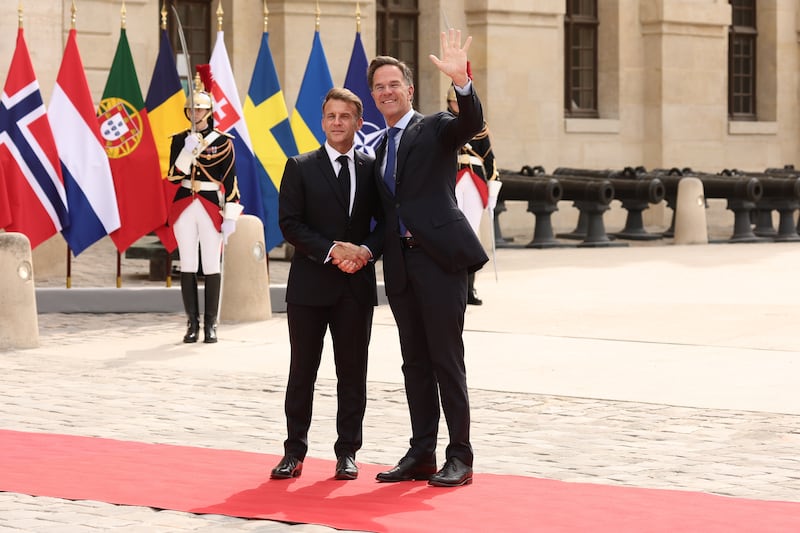

The NATO summit held in Ankara, Turkey on July 7 and 8 must be marked as a major success for alliance’s cohesion and morale, especially following the recent serious frictions and disagreements. This is testimony to fundamental commitment to cooperation by members of the organization, including the United States, and in particular the adept and insightful diplomacy of NATO Secretary-General Mark Rutte of the Netherlands.
Regarding Ukraine, existing commitments were reconfirmed, and important new goals achieved, including commitment to spend approximately $80 billion for military equipment and training. In diplomacy, words are often important, but specific tangible agreements likewise count. Russia’s invasion of Ukraine and the ongoing costly war between the two nations provide a principal spur for this impressive unity, always difficult to achieve in this large and diverse coalition of nations.
President Volodymyr Zelenskyy addressed the delegates on the opening day, poignantly and with great success. His leadership and courage self-evident, as usual, he received a standing ovation.
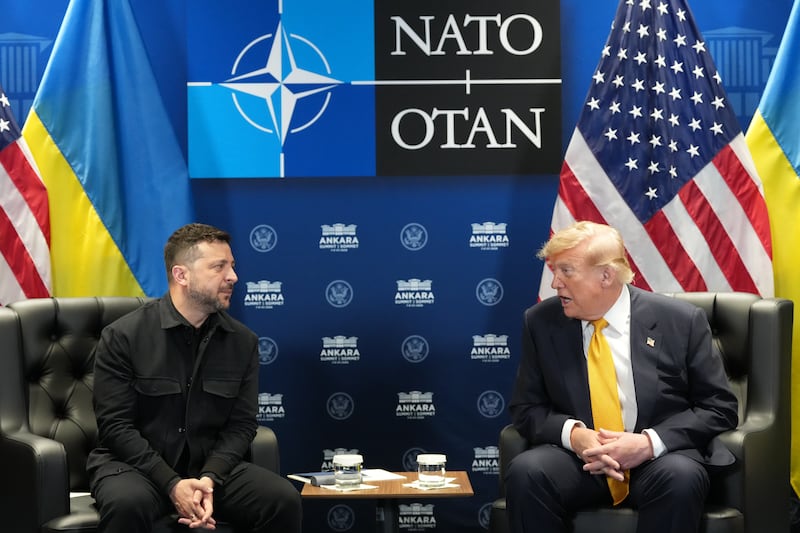
In a separate meeting between Zelenskyy and Donald Trump, the U.S. president brought up supplying a license to manufacture the highly advanced, effective Patriot anti-missile system, a specific goal long sought by Ukraine.
The final declaration from the summit described Ukraine as contributing to trans-Atlantic security, noting “the allies stand in unwavering support in defending its freedom, sovereignty and territorial integrity.
NATO (North Atlantic Treaty Organization) was formally established in 1949, in the wake of World War II, as the Cold War was settling over Europe. The outbreak of the Korean War in June 1950 greatly strengthened and reinforced the rationale for the new, ambitious military alliance.
The alliance was directly engaged in the military and related responses to the Sept. 11, 2001 terrorist attacks on the United States by Al-Qaeda. The overthrow of Taliban rule in Afghanistan, an Al-Qaeda refuge, was under NATO, legitimized by the United Nations.
Article 5 of the NATO Treaty stipulates that an attack on one ally is an attack on all. The Sept. 11 attacks triggered this article for the first time.
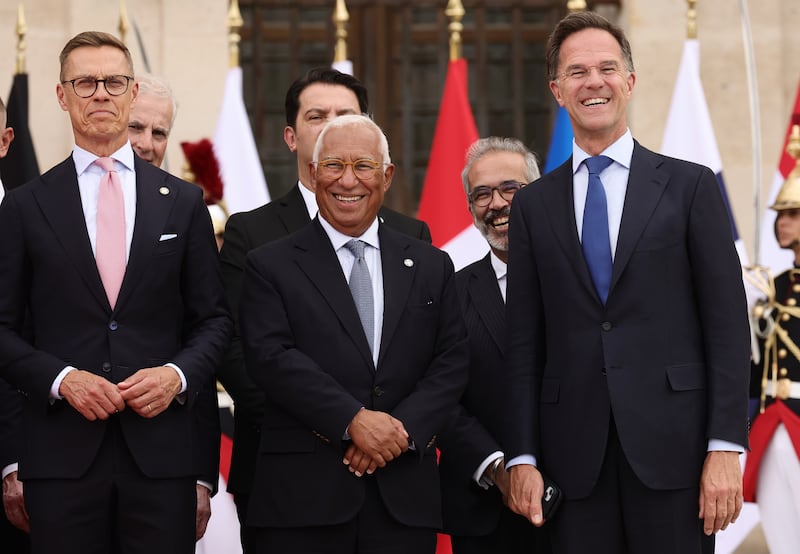
Turkey hosted one earlier NATO summit, in June 2004 in Istanbul. Turkey remains a bulwark against Islamic extremism and traditionally a reliable ally of the U.S., both within and reaching beyond NATO. Turkish culture emphasizes effectiveness in war.
Turkey’s once good relations with Israel have deteriorated badly. In May 2024, Turkey abrogated a comprehensive military and security agreement reached in 1996; Turkey has accepted Hamas while opposing other extremist groups.
President Recep Tayyip Erdogan of Turkey is autocratic, and has expanded presidential executive power. Yet he has done this through constitutional reforms. Elections are held, though freedom of expression has been curtailed.
In contrast to some other Middle Eastern nations, Turkey has been fundamentally modernizing the economy. This includes expanding trade and investment, reaching significantly into Central Asia as well as Europe.
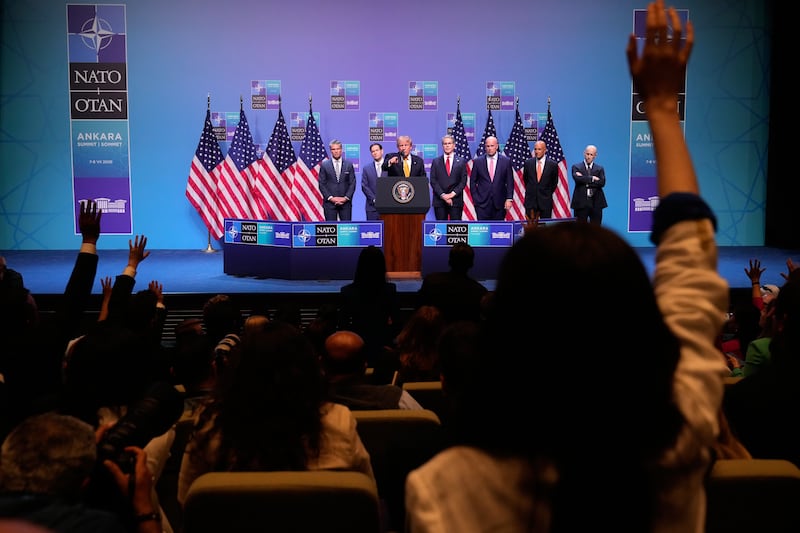
Additionally, Turkey has been able to maintain reasonably good cooperative relations at the working level in Europe and U.S. Economic development reinforces security relationships and influence.
Turkey’s military is the second largest in NATO, after the United States. The nation was a combatant in the Korean War. In Afghanistan, Turkey’s military engagement included command responsibility.
Finally, geography confirms Turkey’s strategic importance including overseeing trade routes on water and land, spanning Europe, the Mideast and Southwest Asia. Turkey controls the Bosporus Strait, linking Black and Mediterranean Seas.
The latest NATO summit provides an opportunity to reinforce common ties while working to mitigate differences.