


Theodore Dalrymple, the nom de plume for British physician and psychiatrist Anthony Daniels, has written for decades about his patients in prisons and hospitals. His collection of essays, “Life at the Bottom: The Worldview That Makes the Underclass,” was recently reissued after 25 years. And just as a quarter century ago, people who have no dealings or at least no extensive conversations with the “underclass” may find Dalrymple’s stories hard to believe.
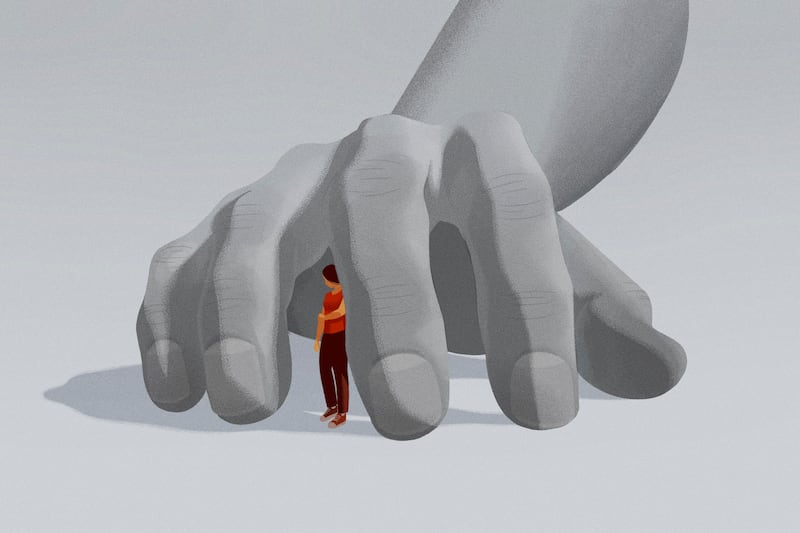
I am particularly struck rereading these essays (originally published in City Journal) by his conversations with women who stay with abusive men. At one point, Dalrymple speaks to a 17-year-old girl with acute alcohol poisoning. Dalrymple has treated her mother, “a chronic alcoholic with a taste for violent boyfriends.” The mother had recently stabbed one of them and after he recovered, he got drunk again and beat her again. The daughter seems to be headed down the same path, with her latest boyfriend sentenced to three years in prison for a violent burglary.
Dalrymple tries to warn her, but the girl says that though he would probably not make a very good companion, “he was the type she liked; besides which — in slight contradiction — all boys were the same.” When Dalrymple told her in graphic detail about a couple of women he had seen recently who had their lives threatened by this “type,” she said, “I can look after myself.” And when he says, “But men are stronger than women. … When it comes to violence they are at an advantage,” she replies, “That’s a sexist thing to say.”
The nurses too, writes Dalrymple, object when he guesses with a reasonable degree of certainty about which patients are abusers and which are abused. He has seen enough signs to know, but “they are appalled at the harshness of my judgment, even when it proves right once more.”
Dalrymple writes: “A stubborn refusal to face inconvenient facts, no matter how obvious, now pervades our attitude toward relations between the sexes. An ideological filter of wishful thinking strains out anything we’d prefer not to acknowledge about these eternally difficult and contested relations, with predictably disastrous results.”
The freedom that came with the sexual revolution has led not only to more domestic violence in Dalrymple’s telling but also the crisis of fatherlessness that pervades this underclass.
Over and over, Dalrymple’s patients keep repeating the same behaviors that lead them down these terrible paths. When he suggests that maybe they have some ability to make decisions, they blame social forces for their circumstances or they simply abdicate responsibility. “My head went,” is one explanation Dalrymple commonly hears for the loss of temper. Others explain that their actions were not committed by “The Real Me.”
Dalrymple writes, “The Real Me has nothing to do with the phenomenal me that snatches old ladies’ bags, breaks into other people’s houses, beats up my wife and children, or repeatedly drinks too much and gets involved in brawls.” He describes the responses to his questions about this idea: “What I am is not at all determined by what I do.”
Dalrymple argues that society — doctors, social workers, our elites — has enabled this abdication of responsibility, always blaming forces outside their control for the behavior and attitudes of the “underclass.” He notes that drug addicts even change their language — when they are speaking to professionals, their addiction is overpowering, all-consuming, but when they are speaking to each other, it is much more “optimistic” and rational. They wonder where they can get the best drugs for the least amount of money and how they can heighten the drugs’ effects.
Dalrymple pushes back against the idea that economic circumstances inexorably lead to dysfunction and crime. He compares notes with some of his fellow doctors who visit from the most impoverished countries and they are shocked to see how badly people behave even when they are provided with a vast social safety net.
Indeed, Dalrymple suggests that the safety net may be part of the problem. His patients are bored. They have no need to work, let alone struggle. Freedom in relationships and freedom from the need to earn a living has left them adrift.
Rob Henderson has written a new foreword to “Life at the Bottom.” Henderson is the author of a memoir called “Troubled,” in which he details growing up in the underclass. He has witnessed up close the same kinds of behaviors among his friends and classmates and the same kinds of excuses for them offered by those who are better off.
“Instead of pouring money into endless programs for the poor,” Henderson writes, “elites should share what they know. They should promote wise choices and strong norms. The fortunate can share their wealth but they should also share their values: the steps they have taken to live fulfilling lives.”
Unfortunately, it seems we are no closer to this approach today than we were when Dalrymple’s essays were first published. And his dire warning that the sexual revolution has “turned the poor from a class to a caste” should feel like a pit in every reader’s stomach.