

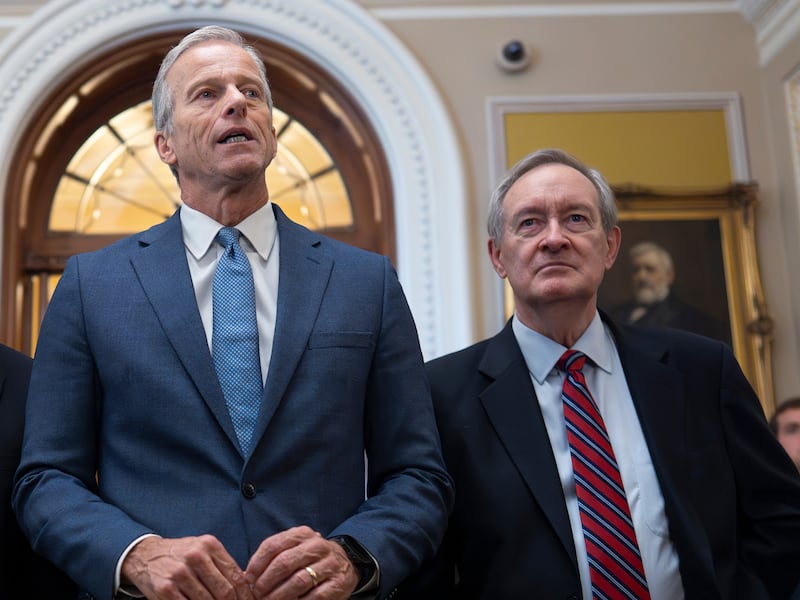

WASHINGTON — Senators from both sides of the aisle are already engaging in talks about how to reform the nation’s health care system, particularly on how to avoid massive premium spikes at the end of this year for millions of Americans with expiring Obamacare subsidies.
Members of the Senate Finance Committee, which has jurisdiction over the Affordable Care Act, met on Monday afternoon as Republicans discussed a possible compromise bill with Democrats to reform the health care system.
The talks come after Senate Majority Leader John Thune, R-S.D., promised Senate Democrats they’d receive a vote to extend certain COVID-era Obamacare subsidies in December — satisfying a key demand in the prolonged shutdown fight.
But that will require GOP support to overcome the 60-vote filibuster threshold in the Senate — and some Republicans are already considering alternative proposals.
“Obviously our folks have an interest in having some of our own ideas out there,” Thune told reporters on Monday. “There’s some goodwill on this issue. We’ll see if something lands.”
Thune designated three Republicans on the Finance Committee to spearhead those talks with Democrats, including Sens. Mike Crapo, R-Idaho, Bill Cassidy, R-La., and Rick Scott, R-Fla.
Republicans appear to be hitting the ground running, especially after President Donald Trump suggested the party should stop “money sucking insurance companies” from taking taxpayers’ dollars.
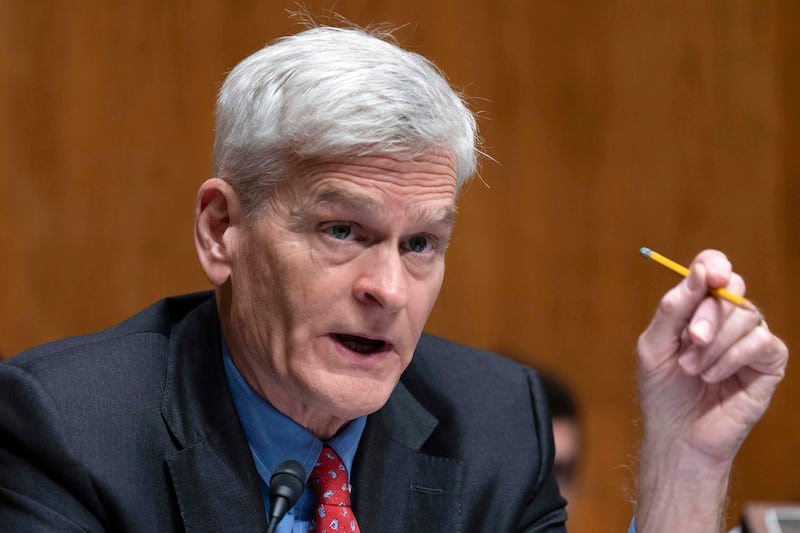
That has paved the way for Cassidy to propose eliminating the enhanced Obamacare subsidies and to replace them with flexible savings accounts, which are usually offered by companies and allow employees to set aside pre-tax dollars to use for out-of-pocket health care expenses.
“If we extend the enhanced premium tax credits, $26 billion will go to insurance companies,” Cassidy told reporters Monday. “If we put it into a flexible spending account, 100% is going to the person who’s making a decision of where to spend their dollars.”
Cassidy said some Democrats have privately expressed support for the idea, which is still in its early stages. No legislation has been formally drafted and lawmakers would still need to commission budget score predictions.
“It exists as an idea at this point,” Sen. James Lankford, R-Okla., said of the conversations on Tuesday. “We’ve got a lot of things we have to be able to work through, but we’ve got to be able to look at what is a better way to be able to get help to people that need help, rather than just sending a check to an insurance company and saying, ‘You’ll be good.’”
But Republicans are likely to face two main obstacles. First, they’ll be up against the clock.
Health care premiums are set to skyrocket once the COVID-19-era Obamacare subsidies expire at the end of this year, and millions of enrollees are already receiving notices their plans will be more expensive. Lawmakers have acknowledged the tight timeline, with some expressing concerns it may already be too late to avoid price surges.
Then the second obstacle: Republicans will need to get Democrats on board with an alternative plan despite spending weeks demanding a clean extension.
“We just have very different ideas,” Lankford said. “Democrats just say, ‘Extend the status quo and pretend the problems aren’t there, and then we’ll figure it out sometime.’ We’re just not willing to do that. We’re saying we’ve got to figure out how to be able to solve some of the problems.”
But Democrats know they need Republican support on whatever proposal they push — opening the door for talks. Those will likely be led by Sen. Jeanne Shaheen, D-N.H., who helped craft the spending resolution to reopen the government.
“If they want 60 votes, we should work together,” Cassidy said. “That should be something we’re all working on. If they want a solution, let’s work together.”