


Congress approved a temporary extension of a key government surveillance tool Thursday, punting the deadline for a second time until June 12.
The 45-day extension passed both chambers on Thursday just hours before Section 702 of the Foreign Intelligence Surveillance Act was set to expire — a deadline that officials in the intelligence community warned could cause a major intelligence gap. The extended date will buy time for lawmakers to continue negotiations as members disagree on what, if any, reforms should be included.
The bill passed the Senate through unanimous consent, meaning no formal vote was recorded. The House held a recorded vote, but it was so late in the day several members had already left town for the scheduled recess.
Utah Reps. Blake Moore, Burgess Owens and Celeste Maloy voted in favor of the extension, which does not include any changes to the underlying law. Rep. Mike Kennedy, R-Utah, voted against.
The surveillance program is a decades-old law that allows intelligence agencies to collect communications of foreign targets located outside the United States without needing a traditional warrant. But while lawmakers largely agree the law needs to be reauthorized, there is disagreement about whether there needs to be guardrails put in place restricting how the federal government can use it.
The debate on FISA has plagued Congress for years as those competing views pose a rare fight that is not beholden to party lines. In fact, it has united conservative Republicans with progressive Democrats in a way that has made it hard for top congressional leaders to get anyone on the same page.
The House has so far taken the lead on FISA negotiations, but finding common ground between all the competing factions has proven difficult. The lower chamber managed to advance a proposal on Wednesday with language tucked in that would establish a permanent ban on central banking digital currency — a key provision designed to get some hardline conservatives on board.
However, that language was deemed dead on arrival in the Senate — prompting party leaders in both chambers to explore a temporary extension instead. It’s the second temporary extension after the original deadline on April 20 passed without a deal in place.
Section 702 allows the intelligence community to “collect, analyze, and appropriately share foreign intelligence information about national security threats,” according to the Office of the Director of National Intelligence.
The main disagreement is over the sweeping authority Section 702 gives intelligence officials when it comes to collecting communications without needing a warrant. While the section only allows the targeting of non-U.S. citizens abroad, it can sometimes sweep up communications from Americans living inside the country.
As a result, some lawmakers have pushed for reforms and language that would require warrants before the FBI can search 702 databases for U.S. citizens’ data, but intelligence officials warn those requirements could slow investigations.
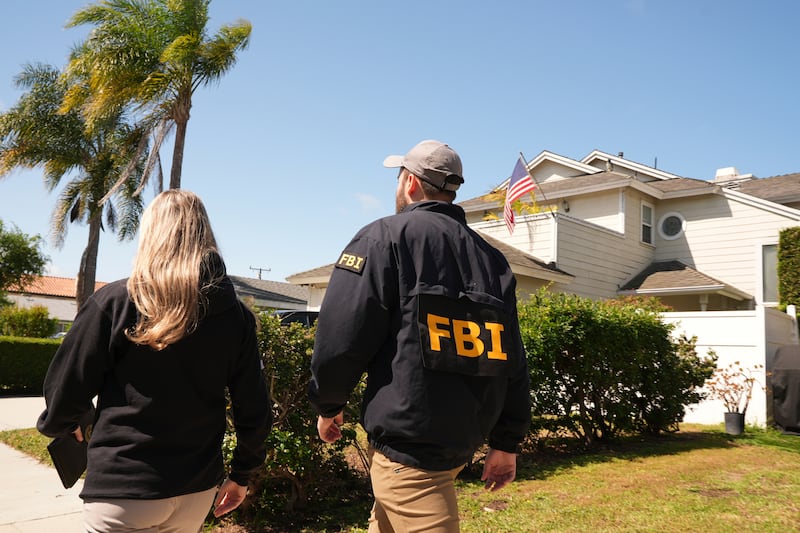
Other lawmakers have also pointed to reports that show the FBI has misused the Section 702 authority in the past to search for communications of protesters, members of Congress, political staffers, a state court judge, journalists, and political donors.