


Iran and the United States have traded strikes in recent days, reigniting a war that largely was in a stalemate for a month and pumping new fears of a wider, regional war.
The U.S. on Tuesday launched strikes at Iranian targets that the government said were military sites, but Iran on Wednesday retaliated against allied countries after claiming the U.S. hit a wedding.
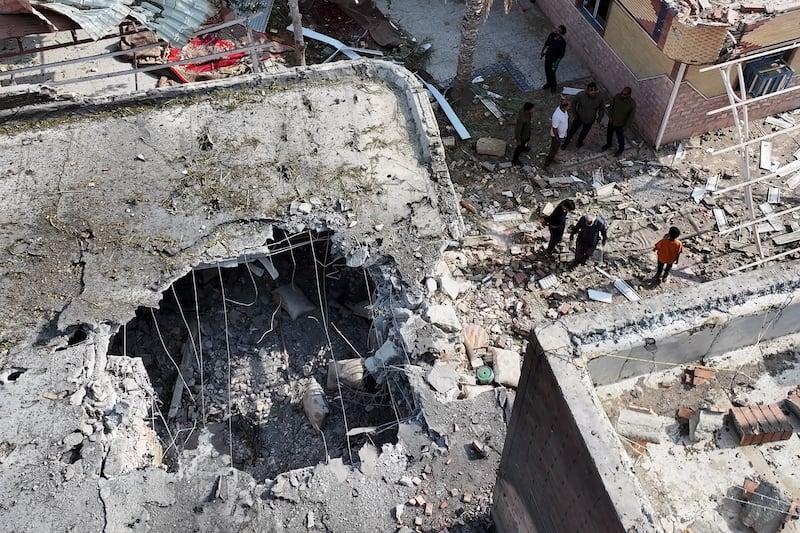
One U.S. strike hit a home in Kuhestak, Iran, where a wedding was being hosted. The small coastal town overlooks the Strait of Hormuz, where U.S. officials said they were targeting Iranian Revolutionary Guard Corps, or IRGC, sites. It was reported by Iranian state media, which are official government-run outlets.
Iran decried the issue, saying the U.S. committed “war crimes.” U.S. Central Command told BBC that it was “looking into” the Iranian media report, but said the U.S. military “never targets civilians, unlike the IRGC.”
The IRGC has refused to admit to killing protesters in Iran, blaming the fatalities on bad actors, terrorists and the United States.
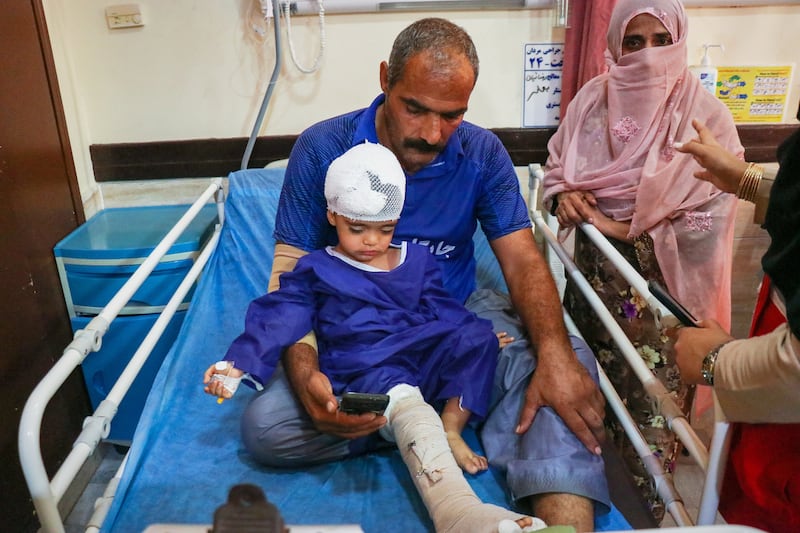
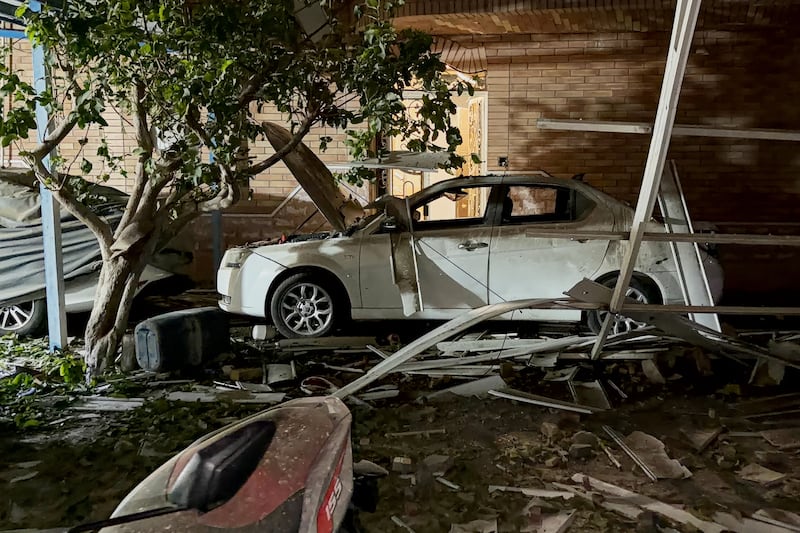
Iran fired missiles at American bases in Jordan that were intercepted, but other strikes and drone launches were reported by U.S. allies Kuwait and Bahrain. Neither country reported any casualties.
Iran’s newly appointed head of its Supreme National Security Council said online that the world will soon see the “new strategy on the battlefield, in diplomacy, and in confronting the economic blockade” and said the new strategy will “shatter your foundations.”
It comes as President Donald Trump changes his strategy against Iran after neither side could confidently say there was a truce or an agreement struck.
Secretary of State Marco Rubio said Iran will continue to feel the “squeeze” from the United States until leaders abandon their ambitions of obtaining a nuclear weapon.
Trump confirmed the U.S. began striking Iran on Tuesday, saying if Iran retaliated, the U.S. would hit back “at a much harder and higher level.”
“It will not be the biggest attack of them all, that is waiting in the wings and, when it is over, there will be very little left of the Islamic Republic of Iran,” he said.
The strikes were a change-up in strategy for the administration, which had in recent weeks tried to increase its economic sanctions on Iran to squeeze the country into reducing its presence in the Strait of Hormuz and to end the war.
He threatened Iran with an economic “D-Day” and called on allied countries to cut Iran off financially.
Trump’s change in attitude, going back to striking Iran, could be a sign he’s concerned about the impact the lull in fighting had on the economy as he tries to get the war wrapped up without conceding anything and helping Americans’ wallets before the November midterm election.
With unhappy voters heading to the polls, some Republicans are concerned that Trump’s war will hurt their chances of maintaining control of Congress.
They’re worried that the ongoing war, which has made gas prices rise across the country, could change the way voters see the party, but Trump has stated multiple times he’s not worried about trying to end the war. On Tuesday, he shared online that he wasn’t trying to force Iran to the bargaining table.
“I like our position now much better, with almost total control of the Hormuz Strait, and their economy totally collapsing,” he wrote. “They are just playing out the inevitable. When are the Iranian people going to rise up and fight?”
Resuming fighting has sparked concern among global experts that the war would expand into a regional or larger conflict.
Hamidreza Azizi, a senior Iran analyst at the Crisis Group, told The Associated Press that at one point, either the U.S. or Iran might think they need to escalate the attacks in order to break the cycle the two countries have been engaged in since late February.
“So that could bring the two sides to a point that they have been trying to avoid until now, which is a full-scale war,” he said.