
If whining were a scholarship sport, the SEC would have signed the whole conference by now — with full benefits, of course.
The anthem we hear from these Southern teams includes: We recruit harder; we coach smarter; we pay under the table — er, we “facilitate opportunities” — and the rest of you show up on Saturdays to take notes.
That empire, however, has discovered that when the marketplace opens and players can shop around, the house advantage looks a lot like a house of cards.
When Arkansas athletic director Hunter Yurachek publicly pointed his finger at ESPN for scheduling the Hogs to fly to Salt Lake City for a late game and then host Georgia less than a week later in another late contest, pointing out that it could threaten the health of his athletes, the SEC basically replied that its schedule is sacred, unless it inconvenience to the conference.
You can almost hear the chorus: “We didn’t sign up to play by the rules!”
But that was the deal when NIL and the transfer portal turned college football into a semi-functional free market. Talent that once clumped like Kudzu in the South now shows up in odd, inconvenient places: Provo, Utah; Bloomington, Indiana; Lubbock, Texas; and Tempe, Arizona.
The SEC’s advantage wasn’t magic or mysticism — it was money, perception and a corner on top recruits. Level the wages and free the players to move, and the monopoly evaporates.
And oh, the outrage when the College Football Playoff committee refused to be a rubber stamp for SEC entitlement. Last year, the SEC somehow pranced five teams into a 12-team playoff and expected a ticker-tape parade.
Not according to the scoreboard. None of those squads beat a Power Four opponent outside of their own conference, and yet the conference’s homers argued as if postseason competence is optional if you wear a certain shade of crimson.
They wanted seven teams in the CFP, they got five, then demanded sympathy like a quarterback who fumbled twice and still wants the MVP trophy.
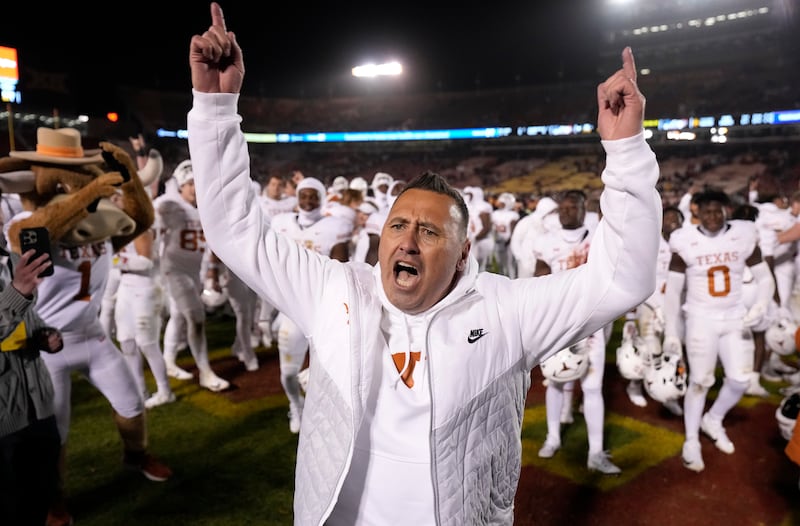
Then there’s coach-speak. Texas’ Steve Sarkisian jabs at in-state rivals and other conferences, griping about schedules and twos and threes as if someone somewhere installed a rigged clock.
SEC coaches complained about BYU getting credit for an extra game — conveniently forgetting Alabama once played an extra postseason contest.
The Crimson Tide were thrashed in the SEC title game without being banished from the rankings forever. Consistency, like humility, is not an SEC strong suit right now.
BYU’s rise — and Notre Dame’s looming trip to Provo — will be judged by wins, not by the SEC. If the Cougars win the Big 12, the playoff gate swings open; whining won’t change that.
The same goes for other non-SEC programs that have been building better coaching staffs and smarter recruiting strategies than the old Southeast money machine ever could.
The SEC built a dynasty on an uneven field.
Preseason hype inflated rankings, recruiting stars were paraded like show ponies and any loss was defensible while any win was recognized as standard.
Now that NIL and the portal have redistributed the goods — and yes, given other conferences some coaching acumen to match — the SEC’s narrative cracks. You can patch a cracked house with PR, but you can’t plaster over a season of underperformance.
So they complain.
They lobby.
They tweet righteous indignation.
They call for rule changes and fairness.
What they can’t do is reinvent history: college football has changed, players are earning agency and the old advantages are, finally, negotiable. If the SEC wants its old glory back, it will have to earn it — on the field, not on social media or in public letters.
And if that takes a few seasons of humility and hard work? Well, the rest of us will bring popcorn.
The whining will fade.
The game will go on.