



When the FIFA World Cup visited the United States in 1994, it was just coming off a World Cup in Italy where many teams utilized conservative strategies to outlast their opponents and come to a draw. The approach made for a less-than-exciting product on the field.
So when it was the United States’ turn to host, perhaps FIFA took some notes out of the NBA and NFL’s playbooks. The NBA introduced the option to advance the ball after a timeout in the closing minutes while the NFL implemented new rules to free up playbooks to improve viewing experiences. Preparing for USA ‘94, the World Cup changed its point system.

Instead of giving two points for a win and one point for a tie, wins were now worth three points, much like the English Football League did in the 1980s. The change made play much more aggressive, as draws became victories only for underdogs, and setbacks for elite teams. The change, perhaps implemented with American influence, still exists today and is found throughout soccer leagues across the globe.
Now, as we wind down on the World Cup’s second visit to the U.S., it is easy to pinpoint what may or may not be American influence once again.
Hydration breaks
In Qatar 2022, the World Cup was moved up to November and December to avoid the triple-digit temperatures the country often experiences during its summers. Even still, had officials deemed necessary, hydration breaks could have been called for if conditions necessitated.
So why has controversy over the breaks not existed in the past?
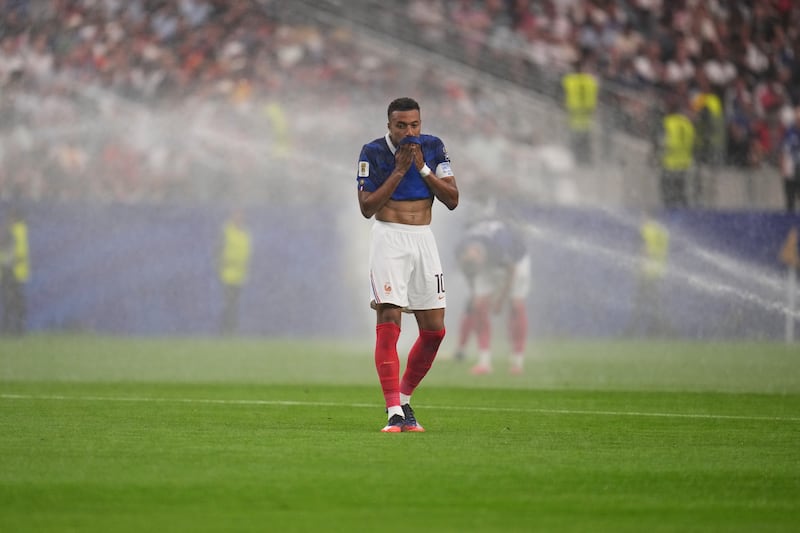
Well, maybe, it is because this year the breaks might have more at mind than player safety.
In the past, matches across the globe gave officials the option to mandate a break if temperatures required. This year, however, hydration breaks took place during each half of every game after 22 minutes, regardless of playing conditions. FIFA cited equal conditions for all while still accounting for player safety as their primary reason for the implementation.
However, some believe the breaks were commercially purposed instead.
Soccer has long used advertisements during matches on the side of the field or player jerseys, but midgame commercial breakaways like Fox introduced is a foreign concept to many globally, though not for American viewers. In the U.S., where professional and college sports are bombarded with your favorite State Farm commercial, many might not even notice the short three-minute break, but the teams sure do.

“Playing four halves instead of two alters the conception that had been culturally constructed to interpret football. It adds nothing and takes away a lot,” Uruguay manager Marcelo Bielsa said, per The Athletic. “When it was divided into four, no thought was given to the effect it might have on what made football a sport that captivates people, but rather to another type of repercussion that I neither discuss nor analyze.”
Other players and managers said hydration breaks are good, but it doesn’t make sense to do every game.
While it may not be a huge deal for Americans, to the world, it is.
Star treatment
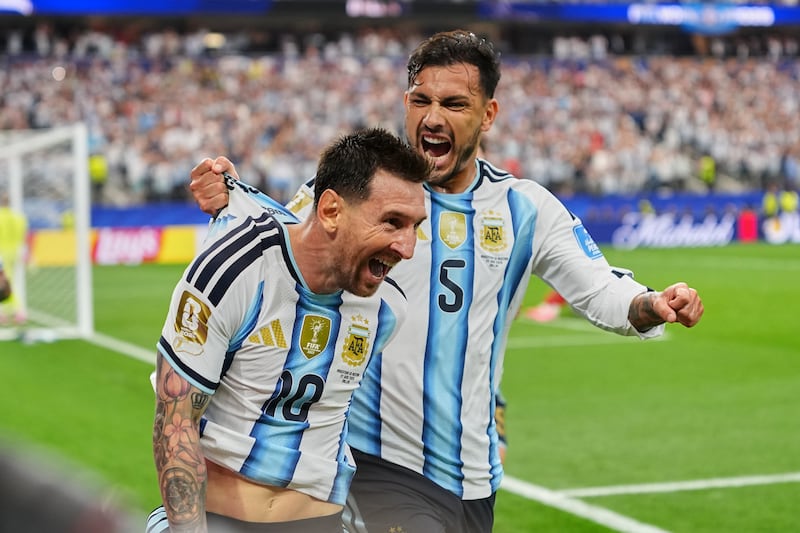
In the U.S., it is no new sentiment for stars to receive special treatment. Especially in the NBA, where fans consistently complain about players like Oklahoma City’s Shai Gilgeous-Alexander and former Cavaliers/Heat/Lakers standout LeBron James getting special treatment. Or even in the NFL, where fans accuse three-time Super Bowl winner Patrick Mahomes or Tom Brady before him of receiving friendly calls.
This World Cup, Lionel Messi is viewed by some as protected by referees, U.S. striker Folarin Balogun did not end up serving his one-game suspension after receiving a red card (which is common practice), and, to start it off, Cristiano Ronaldo never served his three-game suspension.
It makes sense. Viewers want to see stars play instead of sitting on the bench. However, Balogun and a 1962 incident in Chile are the only times red-carded players have participated in their team’s next World Cup match. The only difference was, in 1962, red cards did not come with an automatic ban, according to Al Jazeera.
Given the scarcity of such preferential treatments in the past, it has only given conspiracy theorists even more reason to speculate and call foul this World Cup.
First-ever halftime show
Now, we get to the grandaddy of them all — halftime shows.
K-pop supergroup BTS, Shakira and Madonna will all be featured in what will be the first halftime show at the World Cup in its near-century existence. This is a clear American influence, as halftime shows originated at college football games and have transformed into massive performances, and the main event for many at the Super Bowl.
For the first time, the World Cup will accommodate an 11-minute musical performance during the intermission break in the final. The display will raise funds for FIFA’s Global Citizen Education Fund, aimed at improving education and access to soccer for children around the world.
Global icon Bad Bunny attracted 4 billion views in the last Super Bowl halftime show in February.
In 1994, the U.S. almost made a halftime show happen starring vocal legend Whitney Houston. However, over concern for players sitting through a longer halftime, FIFA made her delay until the closing ceremony.
Tournament expansion

Now, a topic almost every major sport in America has on a consistent basis — expansion.
The NFL playoffs expanded in 2020, the NBA added the Play-In Tournament in 2021, the MLB expanded from 10 to 12 teams in 2022, the College Football Playoff expanded in 2024 with ongoing rumors of even greater access on the way, and, much to the bemoaning of fans, March Madness announced a 76-team bracket.
Qatar 2022 featured the regular 32 teams, but the North American edition saw the first expansion since 1998 at 48 teams, and FIFA President Gianni Infantino thinks another expansion is on the table for the World Cup’s century celebration in 2030.
Infantino said opportunity is what drives the sport forward in every region.
“If you don’t give smaller countries a chance to participate in the World Cup, they’ll lack the incentive to keep improving,” he said.

The FIFA leader cited nine of 10 African teams advancing to the knockout stage in a 48-team field, while the previous edition only saw five African countries total.
While it may provide greater opportunity, the added money from television networks is also a plus.
More games makes an easier sell to TV and adds a ton more tickets to sell. This year, FIFA expects to generate $13 billion after $7.6 billion in the Qatar cycle.
The future expansion would potentially bring the team count to 64 of the 211 FIFA countries.
Whether these changes stick remains to be seen, but for better or worse, the U.S. is to blame.