



Expansion. A word many American sports fans do not like to hear.
The National Collegiate Athletic Association announced on May 7 that the 2027 NCAA Basketball Tournament, better known as March Madness, will expand for what will be the first time in 16 years, when it introduced the First Four in 2011.
To some, the announcement was welcomed as another opportunity to watch even more basketball. But to others, the 76-team field is a farce.
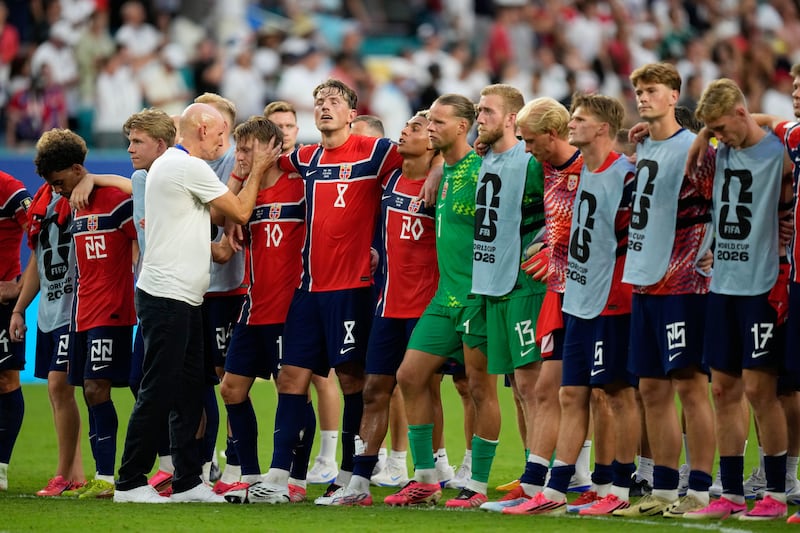
For the World Cup, however, pushback against the 48-team expansion diminished after watching its first rendition play out. The expanded event opened the door to new teams, allowed fans to experience different cultures across a greater variety of geographical locations and, of course, put more money in FIFA’s pockets.
World Cup Cinderellas
Many argued before the tournament began that the greater team field would dilute group play, allowing for mulligans and removing the “jeopardy” of the group stage, making it easier for powerhouses like Argentina and England to reach the knockout stage. But the world still watched. The additional teams even provided plenty of fresh storylines as they got their moment to shine.
One team capturing everyone’s hearts was Cape Verde.

The island country would have likely been eliminated in a 32-team group stage since groups would have been more difficult, making three ties a greater feat. However, the country advanced and challenged Argentina, taking the powerhouse to the final minutes of extra time in the opening knockout round.
The near upset might have never happened if not for expansion.
FIFA President Gianni Infantino pointed to the African countries as a whole to demonstrate how expansion strengthened soccer worldwide.
“Teams from every continent scored goals and earned at least one point,” he said concerning another potential expansion to 64 teams. “Nine out of 10 African teams reached the knockout stage. At the last World Cup, there were only five teams from Africa. That just goes to show how important it is to include all teams, to give them this opportunity to participate,” per Al Jazeera.
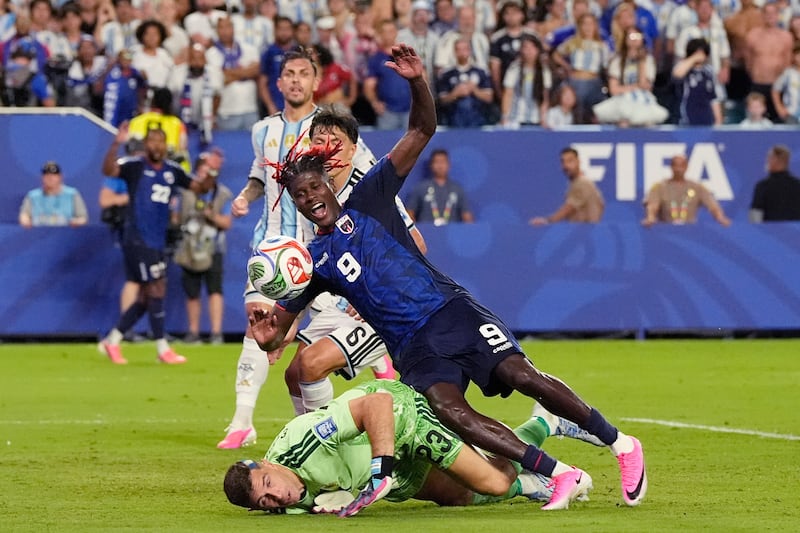
“If you don’t give smaller countries a chance to participate in the World Cup, they’ll lack the incentive to keep improving.”
Perhaps there are more teams of the 211 FIFA countries that could have made a splash but never got the chance because they were stuck behind teams ranked higher within their specified region.
Greater cultural experiences
One concern for expanding matches is greater strain on the shoulders of host countries. Hosting the event, much like the Olympics, can be economically hurtful for host countries needing to build lots of infrastructure. However, sharing costs, specifically construction costs for stadiums, with another country can help keep things feasible.
Co-hosting may become a necessity moving forward. The only two co-hosted World Cups were 2002 (South Korea and Japan) and this year (U.S., Mexico and Canada).

An expansion to 64 teams likely would mean 128 games, a 24-match increase from this year. 2030 will already be the first edition to feature matches across three continents in six different countries, as FIFA celebrates 100 years since the tradition started in Uruguay in 1930.
Expansion would also provide fans greater opportunity to experience an array of cultures in future renditions. Just this year, soccer fanatics raved over their experiences across the North American continent. In the U.S. alone, the span from Boston to Los Angeles provided lobster cuisines, Southern hospitality and the shiny lights of California’s coast. Mexico and Canada added to the experience for many soccer fans throughout the world.
Morocco, Portugal and Spain will co-host the bulk of the 2030 games, and Saudi Arabia will host in 2034. Assuming Infantino expands the World Cup, future bids going to multiple countries could become the norm.
Too much money to miss
FIFA’s expansion to 48 teams provided more games for the World Cup to sell to TV networks, and an increase in ticket sales. Forbes reports FIFA expects to generate $13 billion. The previous World Cup cycle in Qatar generated $7.6 billion.
It is not hard to guess another expansion could make the World Cup even more valuable since it would provide even more content to sell networks on.
But some worry it could hurt the product.
UEFA President Aleksander Ceferin is not a fan.
“It is not a good idea for the World Cup itself, and it’s not a good idea for our qualifiers as well,” he said.
Others argue expansion could further disrupt the soccer calendar, placing greater burden on the players, per Al Jazeera.
Asian Football Confederation President Sheikh Salman asked, what is to stop it?
“If the issue remains open to change, then the door will not only be open to expanding the tournament to 64 teams, but someone might come along and demand raising the number to 132 teams. Where would we end up then? It would become chaos.”
But much like March Madness, chaos may be what the World Cup is looking for. It’s not necessarily a bad thing.