

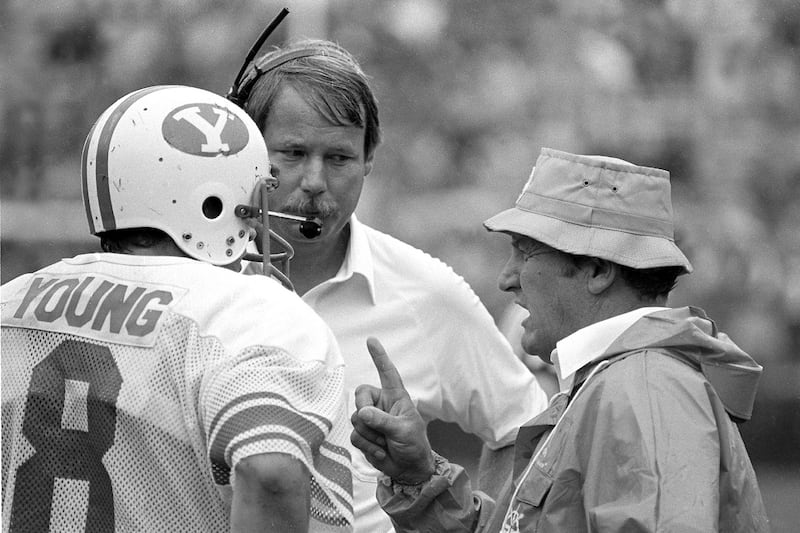

Editor’s note: Fifth in an occasional series exploring LaVell Edwards’ legacy of leadership.
Sitting and listening to Jim McMahon speak at a church fireside in New York City is how Steve Young’s journey to BYU and football stardom began. For that, and so much more, he has LaVell Edwards to thank.
“It was so great. I think Jim had flip-flops on and a T-shirt, but that’s the first time I met both of them,” said Young. “I remember thinking how amazing it was to see what (Edwards) looked like in person and even what Jim said, because Jim talked about LaVell and being the Catholic guy on the team and why that works for him. I remember thinking, ‘That’s where I want to go.’”
Edwards and McMahon were in New York attending Heisman Trophy festivities. Young, a senior in high school, was the stake young men’s president and helped organize the fireside. The next time he and Edwards spoke was months later at the end of a recruiting visit. One by one, and alphabetically, the visiting prospects filed in and out of the coach’s office. With a name like Young, Steve was last.
“He sat me down and said, ‘Steve, it’s great to have you out this week.’” As the small talk continued, which included the New York fireside, Young noticed something quirky about Edwards.
“He’s a great listener, but he would chew on his tongue, and you could see him thinking and listening as he did it.”
Deep in thought, Edwards leaned back in his chair, “looking for inspiration,” as Young recalled. “Then turns to me and says, ‘Look, the guy before you just told me he’s committed to somewhere else. Truth is, Steve, I didn’t have a scholarship for you, but now I do. So, what do you think?’ I’m like, ‘I’m in!’ I was hoping that he got some kind of inspiration as he was chewing on his tongue and leaning back there. It sounds like he did.”
BYU signed Young as an athlete who wanted to play quarterback, but Edwards and his staff decided to move him to defense, except for his quarterbacks coach Ted Tollner.
“Tollner went in and asked him, ‘Why isn’t Steve a quarterback? I saw him throw. Are you sure?’
“Yeah, we’re sure,” Edwards replied.
Tollner continued, “We don’t have someone like him. Would you give me a couple of weeks to work with him?”
Edwards, a known listener who was never afraid to be wrong, responded, “Alright. If you feel that strongly about it, then let’s do it.”
Young went to work with Tollner and the rest is history: the WAC championships, the Super Bowl rings, the ESPN broadcasting career and enshrinement into three halls of fame — BYU, college football and pro football. It all became possible because of Edwards’ willingness to let someone else be the smartest guy in the room.
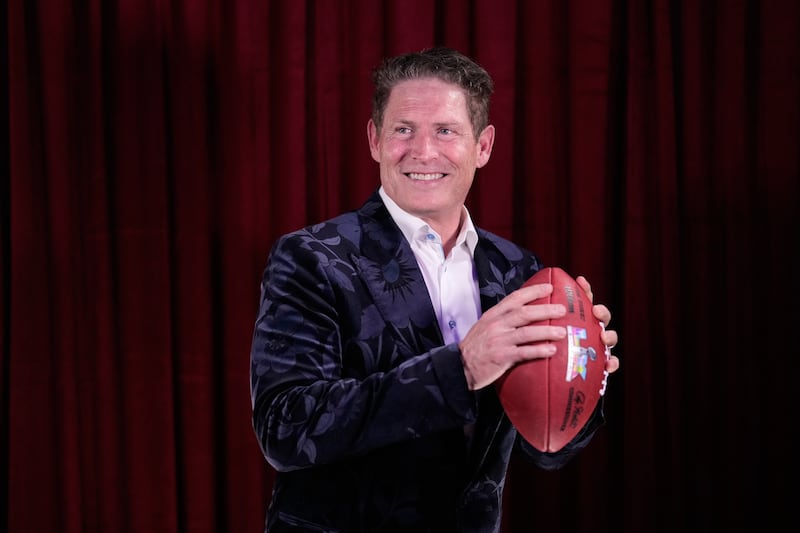
“There was always a humility around coach (Edwards). He was always thinking, ‘Let’s get the best thinking here. Who’s got the best idea?’” Young said. “You know how it is with people in charge, or people in power, the hit rate is a thousand percent of people that use that power or status as a weapon. The other beautiful thing about coach (Edwards) is that not only can he see your future and give you an idea of who you could possibly be, but he was open to his own development, right?
“Like, ‘What can I learn?’ That’s the most powerful thing a human can do is be curious and ready to help another see their full potential — help them see it and then achieve it,” he continued. “And at the same time, be vulnerable enough to recognize that ‘I don’t know everything and what else can I learn?’ Most people like that aren’t in charge. But he’s in charge and that’s who he is.
“That’s the unicorn, right? That’s the gift that we should all try to figure out is how to be two things at once, vulnerable and open — capable of being curious about other humans and seeing them get better.”
The third ingredient that endeared Young to his coach was his sense of humor, and the quarterback knew just the buttons to push to get him going — and sometimes it was right in the middle of a game.
“(Quarterbacks coach) Mike Holmgren and I had a fun relationship, and I really respected him. But part of my psyche was demand resistance. It was a big part of who I was,” Young said. “There were times on the field where, because I worked so hard to be ‘one’ with my coach, that, ‘I don’t need to talk to you. I already know what you are going to say. I’ve already got it.’”
On this day, the offense was in the huddle preparing for the next play when a teammate spoke up.
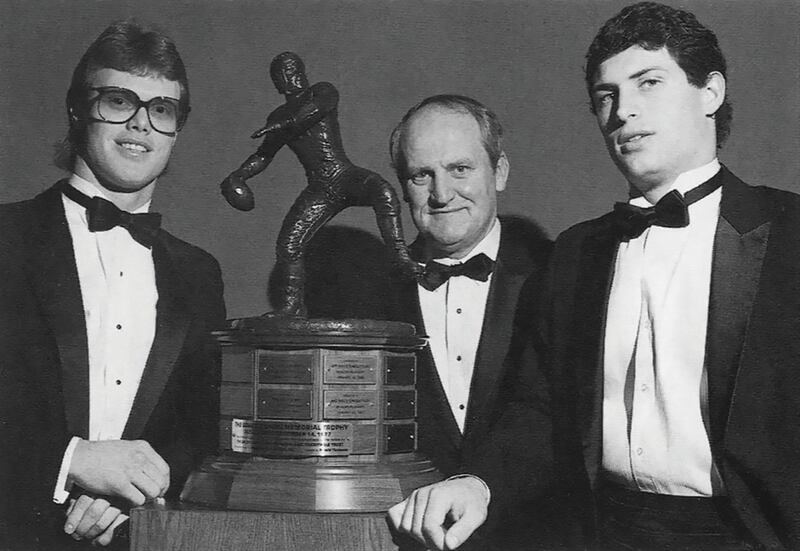
“Hey, coach wants to talk to you,” he said to Young. “Call timeout.”
Young looked and saw Holmgren waving him over to the sideline.
“Don’t worry about it,” Young said while motioning his arms. “We’ve got it.”
Holmgren persisted. Then he called a timeout and walked on the field screaming.
“Now, you know what I’m going to do?” the quarterback said with a smile. “I’m going to stay right where I am. I’m not going over there. Here he is, his veins are bulging out of his neck and I’m thinking his head is about to explode.”
The soap opera continued until Edwards had seen enough.
“Finally, LaVell comes halfway on the field and yells, ‘Steve, before he dies of some kind of heart attack, would you come over here?’ So, I went over and saw coach. It was really funny.”
Those few years as a player for Edwards and the decades of influence that followed, impacted Young in much the same way as a rudder manipulates a ship.
“It was fun to be around people that are actually very similar in that ‘I’m not the smartest guy in the world. What can I learn?’ And because of that, we all felt the same way. I’m not the smartest guy in the world. What can I learn?” said Young. “That spirit is what I saw from the 49ers for 20 years. So that was why it was so familiar, so resonant.
“(San Francisco head coach) Bill Walsh and LaVell Edwards, honestly, they’re different humans but that fundamental principle, that piece of themselves that was kind of that gift, is what sets the tone,” he continued. “Every coach sees that and says, ‘I need to be more like that.’ Every player sees that and says, ‘I want to be more like that.’
“And then you wonder why LaVell had such a great legacy of coaches and players that went on to great things because, like a parent, he modeled it. He showed us how to do it. I’ve tried to pay it forward the rest of my life because of what I saw.”
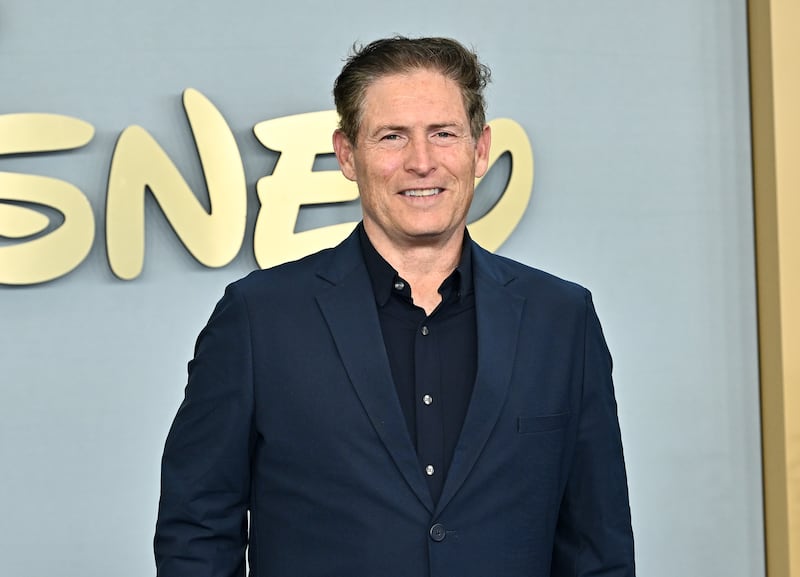
Dave McCann collected the content for this article while researching and writing the book, “The Leadership Legacy of LaVell Edwards,” which he co-authored with Dr. Mark D. Ogletree.