

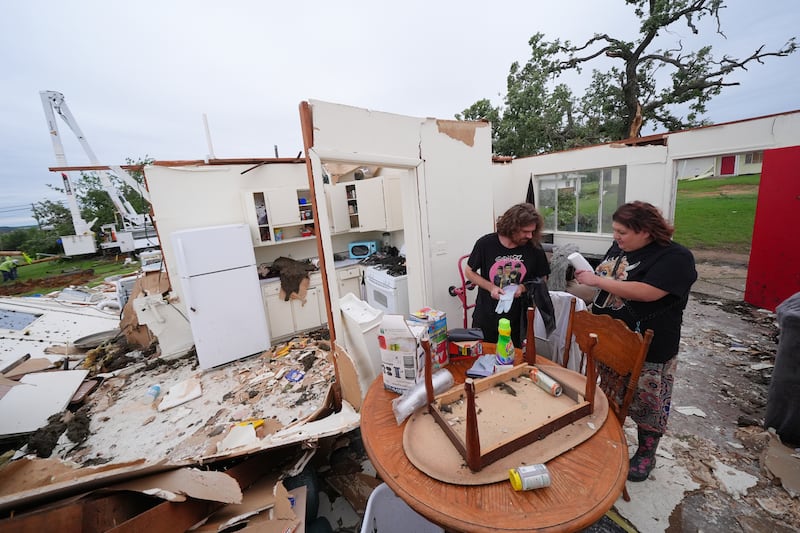

Since March, approximately 150 to 200 tornadoes have been reported across the Midwestern and Central U.S., resulting in deaths, damages and impacted communities.
As of Wednesday afternoon, the University of Michigan’s Department of Climate listed 24 tornadoes reported over the past 48 hours.
Remarkably, the region has yet to reach the peak of the season, forecasters say, as May historically remains the most active month for tornadoes.
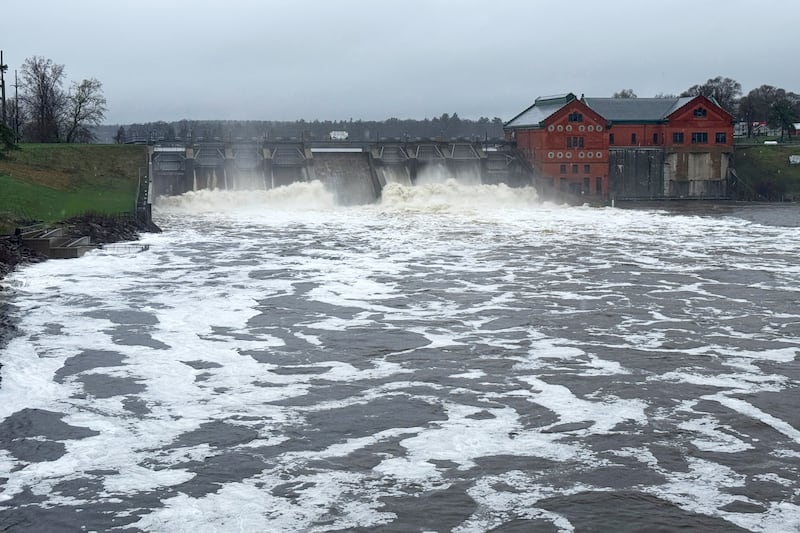
States from Michigan to Texas have been impacted, per news reports. According to scientists, the disastrous flooding in Michigan is not an isolated event, but part of a much larger weather pattern, per Michigan news site MLive.
It’s a clear sign of global changes, the same researchers say.
Local researchers in Michigan say a warming atmosphere carries more moisture, which explains why the state is seeing heavier winter snowfall and more intense rainfall during the warmer months, per MLive.
The conditions are to blame for the recent flooding in Michigan.
It’s not just the United States
According to The Independent, weather forecasters predict the strongest El Niño in a decade, bringing hotter, drier conditions to much of Asia.
El Niño is a climate pattern caused by weakened trade winds that shift warm surface waters toward the eastern Pacific Ocean, triggering heavy rainfall in the Americas and heat and dryness across parts of Asia and Australia, according to previous Deseret News reporting.
Regarding rising ocean temperatures, record-breaking levels are being recorded. Such drastic changes increase the risk of fish deaths and the spread of bacteria and algae, according to New Scientist.
Speaking of heat, last year was the hottest on record for the U.K., Iceland and Norway. It also ranked among Europe’s three warmest years ever, according to the European Centre for Medium-Range Weather Forecasts.
By the year 2050, half of Europe’s population will be at very high risk of heat stress, according to BBC.
This summer in Spain, restaurants must reduce outdoor service or close their terraces during extreme heat if they lack adequate shade or cooling systems, according to Euronews.
What does Old Farmer’s Almanac say?
The Old Farmer’s Almanac has been predicting the weather since 1792 based on science, climatology and meteorology, according to Southern Living.
The almanac just released its summer 2026 weather predictions.
The almanac predicts unusually hot conditions in July and August. Planning for periods of extended heat is advised.
Rainfall will vary by region. The Midwest, states along the Gulf of Mexico and the Pacific Northwest will see the most rain this summer.
Utah, along with the other Four Corners states, falls under the hot and rainy category for this summer, according to the Old Farmer’s Almanac weather map. However, southern Arizona is expected to be hot and dry.