

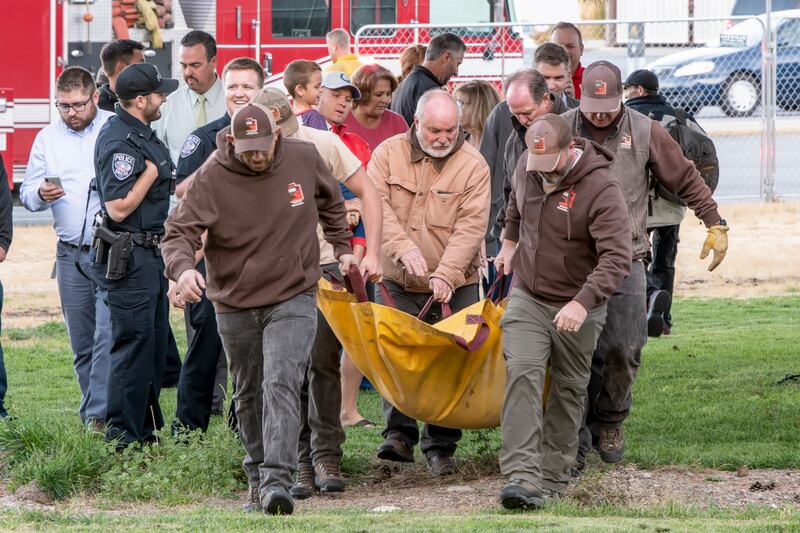
PROVO — Wildlife officials say the number of reported human encounters with black bears in Utah has almost doubled since last year.
The Daily Herald reported Monday that the Utah Division of Wildlife Resources has received 53 reports statewide of incidents involving black bears through Nov. 7; two involved physical contact with a person.
Wildlife officials say there were 27 reports in 2018, but more in 2017.
The majority of the incidents involved bears getting into garbage or food at campgrounds or neighborhoods. The agency noted three regions with most of the encounters: between Salt Lake City and Santaquin; in the north end of Zion National Park; and in Grand County, explaining that these represent large populations or high numbers of campers or hikers.
Biologists believe there are several reasons for this year’s increase.
“The most likely reason is that we have increased the numbers of black bears in the state over the last decade or so,” Darren DeBloois, DWR game mammals coordinator, said in a news release. “So more bears can mean more conflict. You must also allow for some randomness, however. Although 2019 had more reported bear incidents than 2018, it had fewer than in 2017.”
He also noted other factors.
“Some of this is due to local conditions each year like drought, the length of winter hibernations (2019 had a late spring which kept bears hibernating for longer) or a lack of natural foods, which can push bears into conflict situations in search of food,” DeBloois said.
Officials urge campers and canyon residents to secure food and stay informed with safety tips online.
“One of the most effective ways to reduce conflicts with bears is to deny them a food source,” DeBloois said. “This can include a wide range of things like bird feeders (especially hummingbird feeders), pet food, unsecured garbage and coolers to things that aren’t food, but might smell like a food source to a bear, like toothpaste and deodorant.”
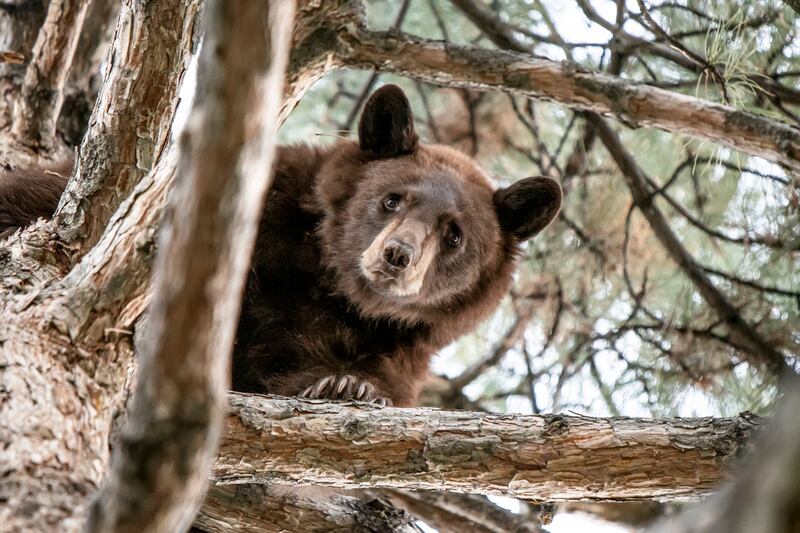
The encounters should be mostly over, they note, as black bears in Utah begin to enter dens for hibernation as early as the end of October, and the majority are hibernating by mid-November. While bears won’t emerge from hibernation until March or April, the wildlife division says people should start planning now for how to prevent conflicts in the coming year.