

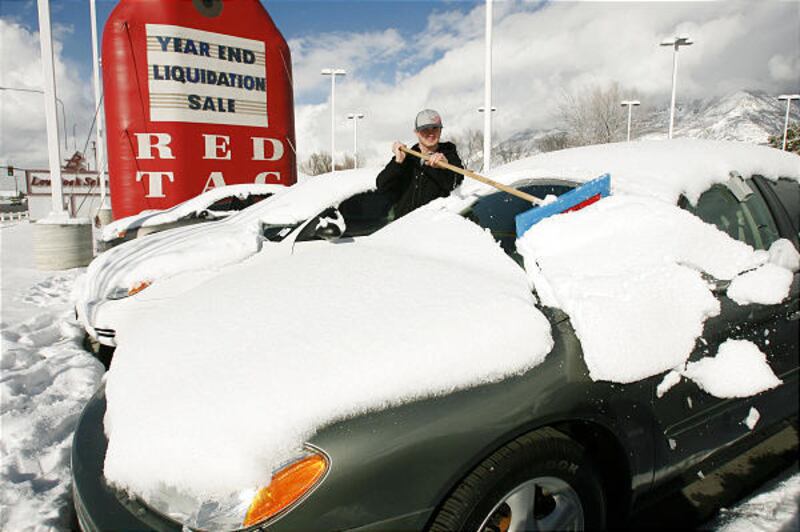

Utah auto sellers are being hit hard by plunging sales fueled by stricter lending standards and consumers' fears about the economy, according to local dealers and industry officials.
The tightening of the national credit market is being blamed for much of the financial difficulty facing auto dealers in Utah, said Craig Bickmore, executive director of the Utah Automobile Dealers Association.
"The credit crunch has really impacted the consumer," he said. "There is credit available, but it's harder to get than it was previously."
Figures from the Utah Tax Commission show that new-car sales statewide dropped nearly 26 percent in the third quarter of 2008, compared with the same period last year. Used-car sales declined 16 percent year-over-year during the third quarter from 2007 to 2008, the commission reported.
Ron Henson, general manager of Willey Honda in Bountiful, said sales there declined about 7 percent or 8 percent during the first six months of the year, and then dropped dramatically during the third quarter.
"The past three or four months, it's been down 30 to 40 percent," he said. "The consumer has had a fear instilled in them that they shouldn't be spending money right now."
The downturn has come as dealer incentives and interest rates for new-car loans are among the best they have ever been.
"The foot traffic of people out shopping for cars has been way, way down," Henson said. Consumers' "general uneasiness" about the future and the economy has made potential buyers "scared to go out and make a large purchase."
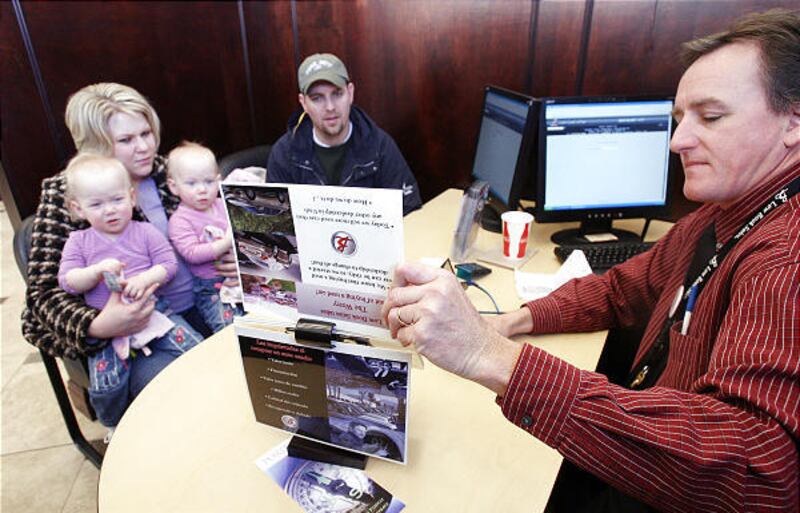
David Neilson, president and chief executive officer of Low Book Sales, one of Utah's largest used-car dealers, said his business is down about 20 percent for the year. The biggest factor driving the decline is the constriction of credit markets, which has prevented his business from servicing as many potential customers as it normally would, he said.
Customers with a lower credit rating have a tougher time qualifying for a car loan now than they did just a few months ago, he said.
"'A' credit people can still get loans, but the subprime sector is tougher," he said. "A year ago, I could get someone with a 500 credit score done, but now the banks want something closer to like a 580."
Despite shrinking sales volume, he said, his company has not had to make any drastic staffing cuts thus far.
But other dealerships have had to tighten their belts as they work to maintain their businesses.
St. George-based Legacy Auto Group this month laid off around 70 of its 120 employees at its two dealerships in Orem and St. George, after Legacy's top lender withdrew the company's financing, leaving Legacy strapped for operating cash, KSL-TV reported.
As lenders have tightened their standards, the downturn in the economy also has made it harder for people to make the payments on the auto loans they already have. According to a report released Monday by credit information-management firm TransUnion, the national ratio of auto loan borrowers 60 or more days past due increased 17 percent during the third quarter of 2008 from the second quarter of the year.
Year over year, the delinquency rate jumped 15.9 percent in the third quarter, TransUnion said. The tighter lending standards significantly decreased the number of auto loans in the market, which resulted in higher delinquency rates as a ratio of all auto loans.
Utah's 60-day auto loan delinquency rate of 0.73 percent ranked 24th highest nationally, said TransUnion spokesman David Blumberg in an e-mail to the Deseret News.
Bickmore said it may be late next year before the troubled economy and auto sales improve.
"Once we get through this credit stuff, we foresee consumer confidence coming back, and everything going back to business as usual," he said.
E-mail: jlee@desnews.com