

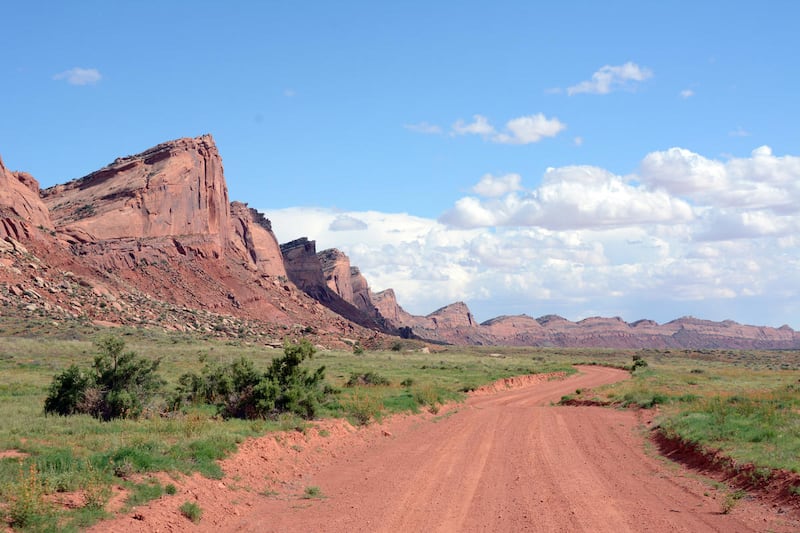
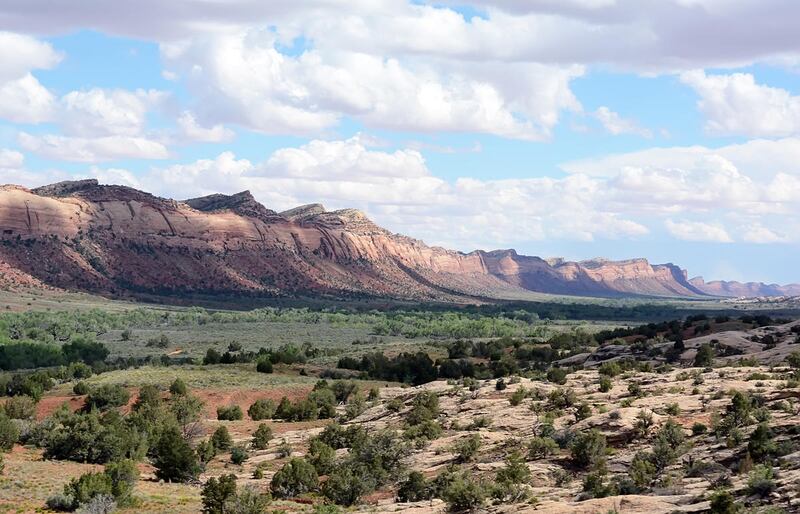
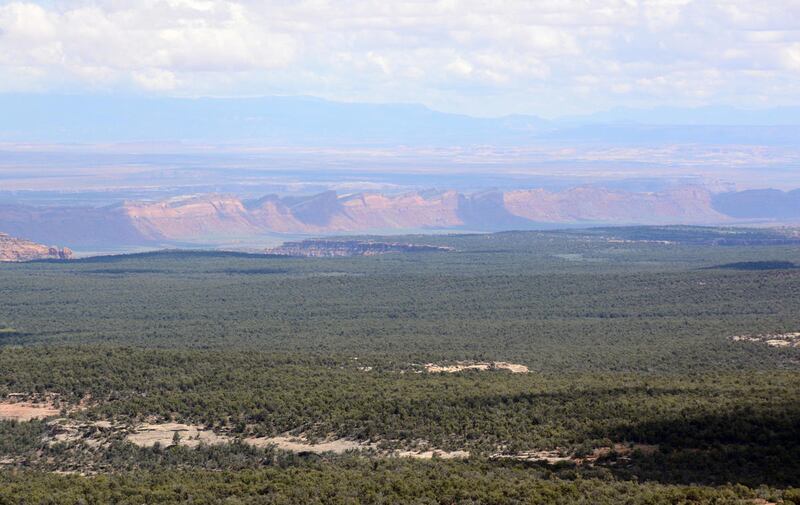
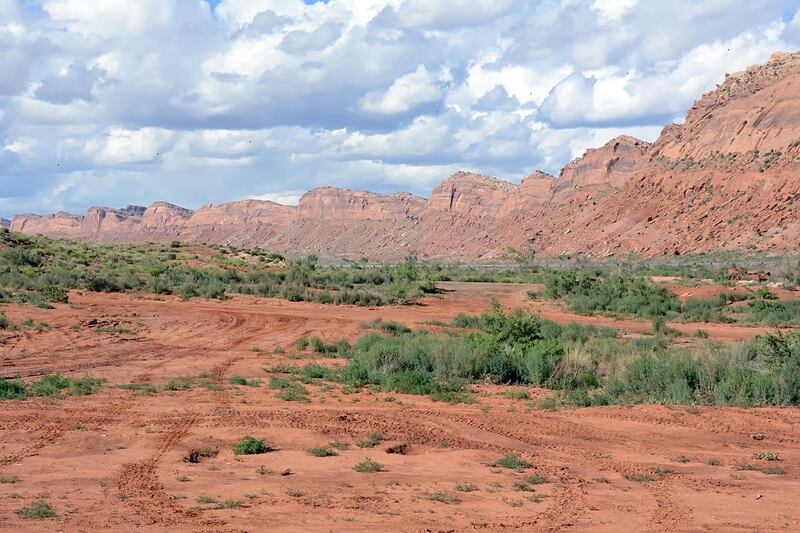
In southeastern Utah there is an unusual geologic formation known as Comb Ridge. This sandstone monocline runs for many miles from the Abajo Mountains to the San Juan River and then on to Kayenta in northern Arizona. It gets its name from the unusual shape of this ridge of stone because one side of this massive rock formation is scalloped out in a manner resembling a comb or the comb of a rooster.
After crossing the Colorado River and continuing on toward their destination near present-day Bluff, San Juan County, the Hole-in-the-Rock pioneers of The Church of Jesus Christ of Latter-day Saints found the ridge to be a formidable obstacle. They had already accomplished the near-impossible by crossing hostile and forbidding landscapes. With their bodies battered and their spirits broken, this barrier, running some 80 miles, proved to be most discouraging.
As the crow flies, their eventual settlement was just miles away, but this final barrier, hundreds of feet high and very steep, seemed impassable. It was a case of the proverbial, “so near, and yet so far.”
The only breaks in the ridge were a Native American trail and a cut made by the San Juan River. Neither alternative accommodated their wagons and livestock because the trail was too narrow and steep and the cut made by the San Juan River was too close to the perpendicular rock walls of Comb Ridge to allow a trail.
The Hole-in-the-Rock pioneers finally found a place where, with the work of blasting, carving, and general road building, the wagons and animals could work their way up and over: San Juan Hill.
In 1976, Comb Ridge was designated as a National Natural Landmark.