


- A new study links recreational drug use, including marijuana and cocaine, to increased risk of stroke.
- Amphetamines doubled the odds of stroke, cocaine nearly doubled the risk and cannabis raised it by 37%.
- The elevated risk held true even among adults under 55, who saw a near tripling of stroke risk.
In a sobering case of just because you can doesn’t mean you should, a huge study of 100 million people has linked the use of recreational drugs, including cannabis and cocaine, to strokes.
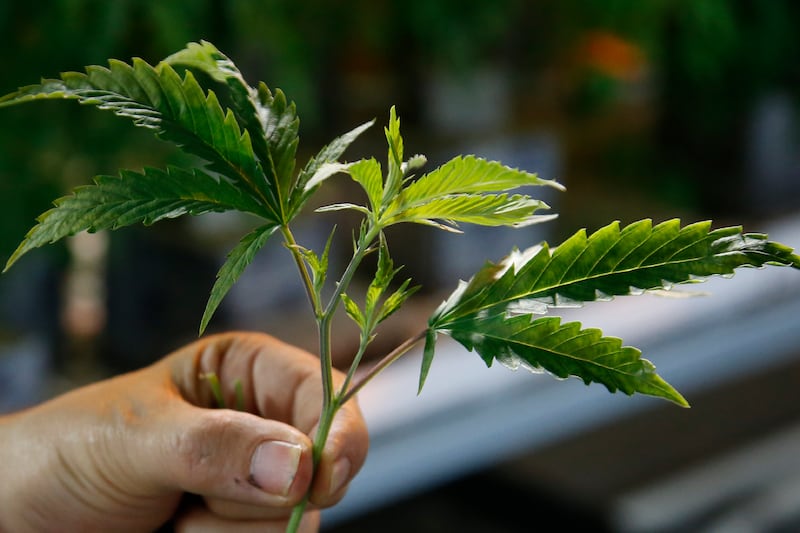
Amphetamine use more than doubled the risk, cocaine nearly doubled the risk and cannabis led to a 37% increase. And the study found that the higher risk was true even among younger people. Findings were published in the International Journal of Stroke.
No significant association was found for use of opioids.
With cannabis, the greatest risk is ischemic stroke, due to narrowing of brain blood vessels, poor blood flow and blood pressure spikes. Ischemic stroke happens when a blood clot blocks an artery that brings blood and oxygen to the brain.
The researchers noticed a previously discovered link between cannabis use and blood clots. They said cannabis use disorders were especially linked to large artery strokes and the possibility of a causal relationship rather than just an association.
Cocaine use increased the risk for both ischemic stroke and hemorrhagic stroke, which occurs when there’s a bleed inside the brain. Cocaine use can lead to blood pressure spikes and spasms in the brain’s blood vessels, causing narrowing, as well as greater risk of a tear in neck arteries, including the carotid. Chronic cocaine use, per the study, can speed up atherosclerosis, which is plaque buildup in the arteries.

As for amphetamine use, it’s “strongly associated with both ischemic and hemorrhagic stroke,” per the study, with double the risk. One study in the analysis found a fourfold increase in stroke risk, with the bleeding risk type of stroke occurring roughly twice as often as the type caused by narrowing of the vessels.
Amphetamines have also been linked to heart rhythm disorders and other serious heart-function defects.
Meanwhile, problematic alcohol use was also associated with increased risk of a blood clot in the heart moving to and injuring the brain, as well as large artery stroke. Their findings link alcohol addiction to a greater overall risk of stroke.
Recreational drug use on the rise
The numbers in the study are from studies in many countries, including the U.S. “Recent U.S. data indicate that more than half of people over age 12 have used substances such as cocaine, cannabis and opiates at least once,” per a University of Cambridge news release.
With substance use on the rise, researchers theorized there are a number of changes within the body that could explain the increased risk of stroke. “The researchers point to sudden increases in blood pressure, spasms and narrowing of blood vessels, abnormal heart rhythms, greater blood clotting (especially cannabis), and inflammation or vasculitis (especially amphetamines),” per background material on Science Daily.
Those have already been proven to increase risk of both ischemic and hemorrhagic strokes.
Two of the study’s authors were quoted in the background material.
Dr. Megan Ritson from the Stroke Research Group at Cambridge said: “This is the most comprehensive analysis ever conducted on recreational drug use and stroke risk and provides compelling evidence that drugs like cocaine, amphetamines and cannabis are causal risk factors for stroke. These findings give us stronger evidence to guide future research and public health strategies.”
According to Dr. Eric Harshfield, Alzheimer’s Society Research Fellow at the Department of Clinical Neurosciences, “Our analysis suggests that it is these drugs themselves that increase the risk of stroke, not just other lifestyle factors among users. Taken together, our findings emphasize the importance of public health measures to reduce substance abuse as a way of helping also reduce stroke risk.”
How common are strokes and what are they?
Stroke is a major cause of serious long-term disability.
According to the Centers for Disease Control and Prevention, more than 795,000 people in the U.S. suffer a new or recurrent stroke each year, while worldwide, 1 in 4 adults over age 25 will have a stroke at some point. Stroke can occur at any age, though the risk increases with age.
The vast majority of strokes (about 87% overall) are ischemic — caused by narrowing and poor blood flow, as well as blood pressure spikes.
The CDC reports that “stroke-related costs in the United States came to nearly $56.2 billion between 2019 and 2020. Costs include the cost of healthcare services, medicines to treat stroke and missed days of work.”
And more than half of stroke survivors age 65 and older end up with reduced mobility.
Get help fast
It’s vital to know the warning signs of stroke and get help immediately. The CDC said that patients who are in the emergency room within three hours of their first symptoms often have less disability three months post-stroke than those who got delayed care.
Warning signs are marked by sudden:
- Numbness or weakness in the face, arm or leg, especially on one side of the body
- Difficulty walking, dizziness, loss of balance or coordination
- Trouble seeing
- Confusion, trouble speaking or having problems understanding what others are saying
- Severe headache for no known reason
Call 911 fast if you or someone else has those symptoms, per the CDC.