

Drive through almost any Utah community and you’ll hear a familiar refrain. “There’s too much traffic.” “We’re losing our small-town feel.” “Everything is becoming apartments.” “There’s nowhere left for kids to play.”
We spend a lot of time talking about what we don’t want built. But far less often do we ask a more important question: What are we willing to preserve?
As Utah continues to grow, undeveloped land is becoming one of our most valuable and limited resources. Once it’s covered with pavement or buildings, it’s almost never reclaimed. Every decision about a remaining parcel of land is permanent.
Open space isn’t simply vacant land waiting for its “highest and best use.” It is where children play, families gather, neighbors connect and communities find a sense of balance amid the pace of modern life. Parks and green space improve quality of life, encourage recreation, support mental and physical health, and often strengthen nearby property values.
Every generation enjoys parks, trails and public spaces because previous generations chose to preserve them.
None of that happens by accident. Every park, trail and preserved green space exists because, at some point, a community decided it was worth protecting before another use claimed the land. Those decisions are rarely easy.
Land is expensive. Public resources are limited. Every dollar invested in preservation is a dollar that cannot be spent elsewhere. Taxpayers deserve careful stewardship, transparency and thoughtful debate. But there is another cost we often overlook. When an opportunity to preserve significant open space is lost, it is usually lost forever. Today, Sandy finds itself facing exactly that question.
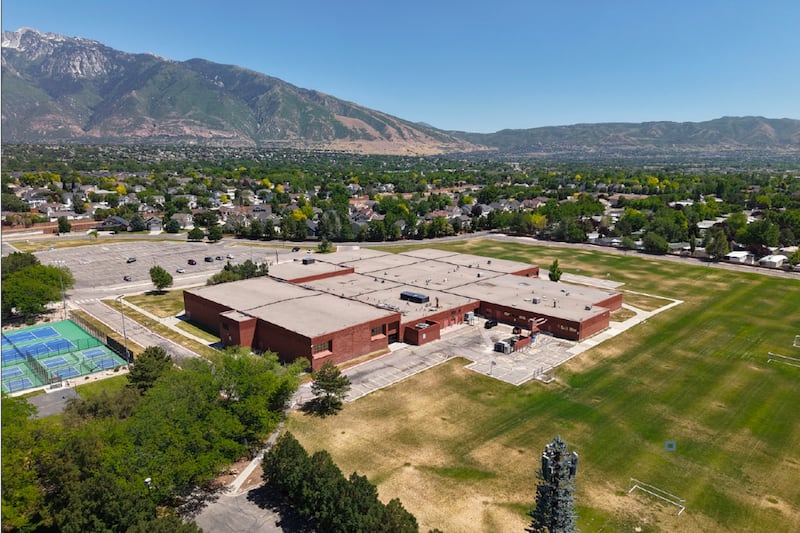
The former Crescent View Middle School sits on approximately 17 acres in one of the city’s established southwest neighborhoods. The school district has given Sandy the opportunity to purchase the property before pursuing private redevelopment. If the city decides not to buy the land, it is reasonable to expect that it will eventually be developed under current market conditions.
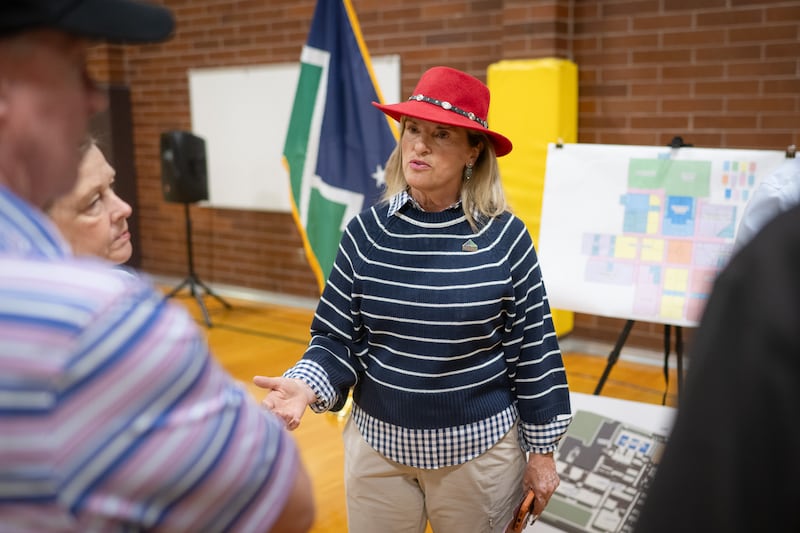
That reality has sparked an important conversation — not simply about one property, but about what we value as a community. Is preserving this land for future parks, recreation, arts, gathering spaces and other community uses worth a public investment? Or should the property be left to private development? Reasonable people can reach different conclusions. But one thing is certain: there is no “free” option.
Purchasing the property would require taxpayers to make an investment. Choosing not to purchase it means accepting whatever future development ultimately occurs. The question isn’t whether there is a cost. The question is which future our community believes is worth investing in.
Every generation enjoys parks, trails and public spaces because previous generations chose to preserve them. Those leaders invested not only in land, but in possibilities they would never live to see. Now it is our turn.
Whether in Sandy or any other Utah community, the real question isn’t simply what we want to build next. It’s what we hope our children and grandchildren will inherit.
Growth will continue. New neighborhoods will be built. Roads will become busier. Communities will evolve. But if we truly believe that open space makes our neighborhoods healthier, stronger, and more livable, then preserving it cannot be something we support only in principle. At some point, every community must decide what that principle is worth.